
Some tomato prices set to rise as US tariffs and trade policy shift

By: Craig Nigrelli (Straight Arrow News)
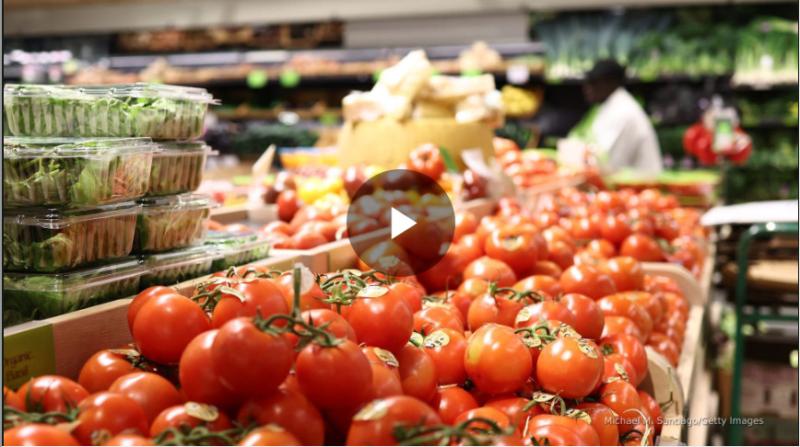


The $3.1 billion worth of tomatoes imported from Mexico in 2024 did not create jobs for undocumented workers in the US. Free Trade is not an immigration friendly business practice. Free Trade is a tool to bust unions, cut worker benefits, and lower wages.
How many of those protesting ICE raids will Buy American? Buying Mexican tomatoes won't provide jobs for undocumented immigrants in the United States.
Put your money where your liberalism is; Buy American. Support your local undocumented immigrant and Buy American. Avoid the tariffs and allow undocumented immigrants a chance at the American Dream -- Buy American. If you advocate for immigration then look for the Made in USA label.
Buying Mexican tomatoes only means these protesters are self-indulgent hypocrites.
 S E E D E D C O N T E N T
Tariffs and trade policy are back in the spotlight as key deadlines loom. Tomato prices could rise as early as next week as a long-standing trade deal between the U.S. Commerce Department and Mexico is set to expire.
What deal is expiring?
On July 14, the 2019 Tomato Suspension Agreement is expected to expire. The agreement allows Mexican exporters to avoid tariffs if they agree on minimum pricing and regulatory rules set by the Commerce Department.
The deal aimed to maintain a steady, affordable supply of fresh tomatoes to the U.S. However, the Commerce Department confirmed that a 20% import tariff will take effect on Monday.
How much could prices increase?
NatureSweet, one of the largest tomato importers in the U.S., told Fox Business it may have to raise prices by 10% if the current agreement ends as scheduled. The CEO of NatureSweet said there’s "no scenario" in which the company can absorb the full tariff without passing on some of the cost to consumers.
NatureSweet distributes its tomatoes to many major grocery chains across the U.S. Stores like Walmart, Kroger and Whole Foods all sell NatureSweet's products.
In a statement to Fox Business, the company said, “While we remain optimistic that the administration will strike the right deal and avoid price increases, we will really have no choice but to raise prices by close to 10% in order to be able to continue bringing our healthy vine ripe specialty tomatoes to our consumers."
In 2024, the U.S. imported more than $3.1 billion worth of tomatoes from Mexico.
Despite hopes for a new agreement, a deal appears unlikely. President Donald Trump told NBC News’ Kristen Welker in an interview on Thursday, July 10, that, “We’re just going to say all of the remaining countries are going to pay, whether it’s 20% or 15%. We’ll work that out now.”
The Trump administration set the so-called blanket tariff at 10%. Trump said he believes the tariffs are popular and pointed to recent stock market gains as evidence of support.
Following the interview, Trump posted a letter sent to Canadian Prime Minister Mark Carney on Truth Social, notifying him of a new 35% tariff on all Canadian imports beginning Aug. 1. Trump warned that any retaliatory tariffs on U.S. goods would result in even higher levies on Canadian products.
Why is the Trump administration targeting tomatoes?
In April, the Commerce Department said it started the process to terminate the agreement. They argued that the agreement failed to adequately protect U.S. growers from unfairly priced Mexican imports.
To help combat with those prices, the department announced a new anti-dumping order scheduled to begin Monday. The order will impose a more than 20% tariff on most tomatoes imported from Mexico.
Earlier this year, the Commerce Department announced it would terminate the agreement, arguing it failed to adequately protect U.S. growers from unfairly priced Mexican imports.
According to Fox Business, the U.S. imports about 93% of its tomatoes from Mexico during off-seasons when domestic production declines.
The Fresh Produce Association of the Americas warned that ending the deal leaves U.S. retailers uncertain about whether they can continue supplying the vine-ripened tomatoes at the affordable prices consumers expect.
For its part, Walmart said it remains committed to keeping fresh produce accessible.

Tags
Who is online
488 visitors
Tariffs work like a sales tax on imports. But the sales taxes beloved by big city politicians are not included in the shelf price; so buyers can be tricked into believing sales taxes don't raise prices.
If these urban politicians were really concerned about protecting consumers, they could lower the amount of sales taxes collected to offset the tariffs. But, no, these urban politicians are expecting a windfall as shelf prices rise because they'll collect more sales taxes. Tariffs are going to allow urban politicians to tax the poor more. How's that for enlightened government?