
Gen Z is having a homemade Christmas. Here’s why nostalgia is taking over.

By: Rachel Hale (USA TODAY)


 S E E D E D C O N T E N T
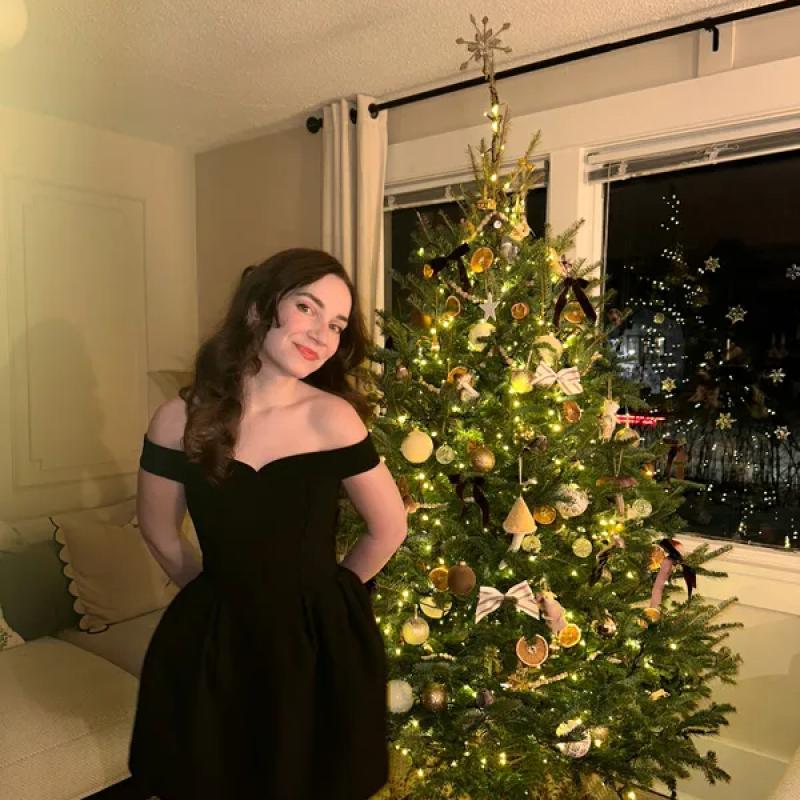
Sunlight catches on a pine garland strung with gingham bows and tiny copper bells in Jenna Brooks' living room. Behind her, garlands of dried oranges and apples hang above her fireplace, overlooking a Christmas tree decorated in warm, earthy tones.
At 28, Brooks is recreating the kinds of Christmas decorations she made as a child. This year, she and other members of Gen Z, the cohort born between 1997 and 2012, are looking to bring that spirit into adulthood, and they're documenting the trend on TikTok.
Across TikTok, videos showing how to make felt ornaments, paper chains and dried orange garlands under hashtags like #homemadechristmas and #diychristmas have racked up millions of views.
For Brooks, crafting by hand is about holding onto the meaning of the season. She remembers clipping branches from trees to dress the fireplace mantel, baking shortbread cookies with her mom and crafting Christmas ornaments from household items like salt dough, popsicle sticks and pasta.
"Gen Z has very much grown up with the online world and so really being bombarded by that through all of our young lives, I think people are craving that return to a more tangible experience," Brooks says.
How orange garlands, paper stars and embroidered ornaments remind us of childhood
The trend, in some ways, is a throwback to years of curated online holiday content.
Gen Z was the first generation to grow up with the holiday season in the internet age amid YouTuber Christmas hauls, Vlogmas videos and Pinterest mood boards nicknamed with aesthetics like "coastal Christmas" and "kitschy Christmas."
All of it, Brooks says, can create "an odd external pressure" to make the holidays perfect.
"When I was a kid, you would go to school and talk to other kids about what they got for Christmas, or what they're doing for Christmas," says Clay Routledge, a psychologist who studies nostalgia. "The internet really picked up the scale and put that on steroids."
Routledge says that nostalgia for childhood is often linked to dissatisfaction with our current situations, leading people to draw inspiration and comfort from tangible familiar memories and traditions.
"There's something about the human experience that involves analog, in person, tactile, multi-sensory experiences that can't be fully replicated with in the digital world," Routledge says.
Going homemade as a way to save
Beyond nostalgia, homemade crafting is also a means of practicality for a generation saddled with student loans, a slowing U.S. labor market and rising costs of living.
A holiday spending survey from financial services company Thrivent found that Gen Z is experiencing more financial stress than older generations. Roughly 70% say inflation is impacting their holiday finances, and 58% of respondents are more concerned about managing their finances than in past years.
But video tutorials encouraged users to work with whatever they already have at home, whether it's turning cans into embossed ornaments or leftover construction paper into paper chains. Some creators have repurposed grocery store bags and cardboard boxes into paper stars and gingerbread houses. As the text on one video reads: "Holiday decor but make it underconsumption."
How nostalgia can be a positive tool for the future
While some of these traditions are about personal memories, Routledge says Gen Z is also experiencing a historical nostalgia: a longing for times predating someone's lifetime, like that magical feeling it felt like to be a kid during the holidays. You know, pre-internet.
And while nostalgia is sometimes portrayed as an unhealthy fixation on the past, Routledge says reflecting back on and appreciating experiences in our life can foster a sense of belonging and even be a source of inspiration for future traditions.
"Nostalgia could actually be a tool for progress, because it's not about rejecting change," Routledge says. "It's about saying, oh, there's something that we've let go of or we've lost track of, and we should reintroduce it."
Rachel Hale's role covering Youth Mental Health at USA TODAY is supported by a partnership with Pivotal Ventures and Journalism Funding Partners. Funders do not provide editorial input. Reach her atrhale@usatoday.com and@rachelleighhale on X.
Be a good human. Grossly derogatory comments, blatantly inflammatory comments, excessive trolling, mean-spirited taunting and insults, scamming, spamming, and off topic comments may be removed in compliance with the site's Terms of Service and the Code of Conduct. The moderators have the final word.

The nostalgia trend is heartening for the future of society. Just don't bring back bell-bottomed, plaid leisure suits.