
Wildlife Adventures and Eco-Tourism are the New Travel Trends for 2026: Explore Top US Destinations for Nature Enthusiasts

By: Travel and Tour World
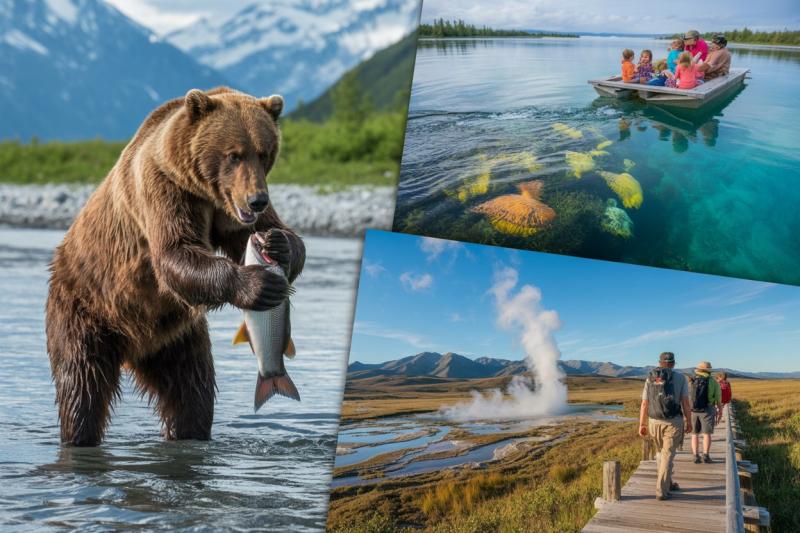

Forget the hassles of foreign travel and avoid the blowback from Trump's policies. There's plenty to see in the United States that cannot be found anywhere else in the world.
 S E E D E D C O N T E N T

The year 2026 marks the rise of a new travel trend in the United States—wildlife tourism. As eco-conscious travel continues to gain popularity, visitors are increasingly seeking immersive experiences that allow them to connect with nature and observe wildlife in their natural habitats. From breathtaking national parks to dedicated wildlife refuges, these destinations offer travelers not just scenic beauty but also the opportunity to engage in sustainable wildlife watching. This surge in interest is shaping the future of U.S. tourism, with wildlife encounters taking center stage in people’s vacation plans.
As demand for eco-friendly travel experiences continues to grow, more Americans and international travelers alike are flocking to U.S. locations known for their rich biodiversity. The National Park Service and other environmental organizations are seeing increasing numbers of visitors to parks, wildlife refuges, and sanctuaries across the country. These sites have become must-visit destinations for nature lovers looking to witness animals in the wild, from bears and wolves to bison, whales, and migratory birds.
The Top U.S. Wildlife Travel Destinations for 2026
Several wildlife-rich destinations in the U.S. are attracting the most attention from travelers in 2026. Whether you’re a seasoned eco-tourist or a first-time visitor, these spots offer unforgettable experiences for nature lovers:
1. Yellowstone National Park – A Wildlife Paradise
Known as the first national park in the U.S., Yellowstone National Park in Wyoming remains one of the top destinations for wildlife tourism. Famous for its geothermal features and stunning landscapes, Yellowstone is also home to a diverse range of wildlife. Visitors flock here to see bison, elk, grizzly bears, and wolves in their natural habitats. The park’s vast wilderness provides the perfect setting for wildlife enthusiasts to witness the beauty of these animals in a pristine environment.
Yellowstone’s Lamar Valley is often referred to as the “Serengeti of North America” due to its high concentration of wildlife. Tourists can go on guided wildlife tours or enjoy self-guided drives to spot animals, especially in the early mornings and evenings when the animals are most active.
2. Everglades National Park – The Kingdom of Alligators and Birds
In Florida, the Everglades National Park offers a unique and vital ecosystem that attracts both wildlife lovers and conservationists. Known for its swamps, mangroves, and wetlands, the Everglades are home to alligators, manatees, and hundreds of species of birds. Birdwatching is a major draw, with visitors flocking to catch a glimpse of wading birds, herons, and roseate spoonbills.
Everglades tours, especially airboat rides, allow visitors to safely explore the vast wetlands while observing the park’s iconic wildlife. The park’s dedication to preserving endangered species like the West Indian Manatee and the American Crocodile makes it a vital stop for eco-tourists looking to support wildlife conservation efforts.
3. Denali National Park – Alaska’s Wild Frontier
For travelers looking to combine rugged landscapes with wildlife experiences, Denali National Park in Alaska is a top choice. The park, home to North America’s tallest peak, offers expansive views of wilderness and the chance to spot moose, caribou, grizzly bears, and Dall sheep. Visitors can take guided wildlife tours, where experienced naturalists help identify animals and explain their behavior and migration patterns.
Denali also offers unique backcountry camping experiences, allowing visitors to immerse themselves fully in nature and observe wildlife from a closer perspective. The park’s vastness makes it a haven for those seeking to disconnect and embrace the wild.
4. California’s Channel Islands – An Unseen Wildlife Wonderland
Off the coast of California, the Channel Islands offer a hidden gem for wildlife enthusiasts. These islands are home to seals, sea lions, and various bird species, including the rare Island Scrub-Jay. The Channel Islands National Park is also famous for its underwater marine sanctuary, providing incredible opportunities for snorkeling and kayaking in areas teeming with marine life like dolphins and sea otters.
Accessible only by boat or plane, the Channel Islands provide an isolated escape for those looking to experience wildlife and nature in its purest form. The park’s limited development and preservation efforts make it an excellent example of eco-tourism at its finest.
5. Great Smoky Mountains National Park – A Biodiversity Hotspot
The Great Smoky Mountains National Park, located on the border between North Carolina and Tennessee, is the most visited national park in the U.S. due to its rich biodiversity and breathtaking beauty. The park is home to more than 19,000 species of living organisms, including black bears, deer, and an array of wildflowers. It’s a fantastic destination for hiking, wildlife photography, and birdwatching.
Visitors can experience wildlife along various trails, with Clingmans Dome and Cades Cove being particularly popular for spotting animals in their natural habitat. The park is also an excellent location for experiencing the changing seasons, especially during the fall when bears and deer are most active.
The Economic and Environmental Impact of Wildlife Tourism
Wildlife tourism doesn’t just benefit travelers—it also plays a crucial role in conservation efforts and the local economy. Revenue from national parks, wildlife tours, and eco-tourism directly supports conservation initiatives and local wildlife protection. For example, entrance fees, guided tours, and merchandise sales at parks like Yellowstone and Denali contribute to maintaining park infrastructure and funding research to protect endangered species.
Moreover, wildlife tourism creates jobs and supports the hospitality industry in rural and remote areas, where tourism may be the primary source of income for local communities. As the demand for these types of experiences grows, more regions are investing in preserving their wildlife and ecosystems to ensure that future generations can enjoy them as much as current visitors do.
The Future of Wildlife Tourism in America
The growing trend of wildlife tourism in America reflects a broader shift toward eco-conscious travel. As travelers become more aware of environmental issues and seek to minimize their ecological footprint, nature-based travel experiences are expected to continue to rise. In 2026 and beyond, national parks, wildlife refuges, and other natural attractions will remain central to the U.S. tourism industry, attracting visitors from all over the world who are eager to connect with nature and observe wildlife in its natural habitat.
For those planning their next trip, these wildlife destinations offer not only an opportunity to witness some of the world’s most iconic animals but also a chance to contribute to their preservation and support local communities that rely on eco-tourism for their livelihood.
Be a good human. Grossly derogatory comments, blatantly inflammatory comments, excessive trolling, mean-spirited taunting and insults, scamming, spamming, and off topic comments may be removed in compliance with the site's Terms of Service and the Code of Conduct. The moderators have the final word.

Tags
Who is online
100 visitors
Don't need a passport. Language won't be a problem. No worries about exchanging currencies. And there are travel choices to fit any budget.
Is being a travel snob really worth it?