
Iran hostage rescue mission ends in disaster | April 24, 1980

By: HISTORY

 S E E D E D C O N T E N T

On April 24, 1980, an ill-fated military operation to rescue the 52 American hostages held in Tehran ends with eight U.S. servicemen dead and no hostages rescued.
With the Iran Hostage Crisis stretching into its sixth month and all diplomatic appeals to the Iranian government ending in failure, President Jimmy Carter ordered the military mission as a last ditch attempt to save the hostages. During the operation, three of eight helicopters failed, crippling the crucial airborne plans. The mission was then canceled at the staging area in Iran, but during the withdrawal one of the retreating helicopters collided with one of six C-130 transport planes, killing eight service members and injuring five. The next day, a somber Jimmy Carter gave a press conference in which he took full responsibility for the tragedy. The hostages were not released for another 270 days.
Iran Hostage Crisis
Explore the chain of events that set off the Iran hostage crisis - an diplomatic standoff that would keep Americans on edge and shape the course of Jimmy Carter's presidency.
4:14m watch
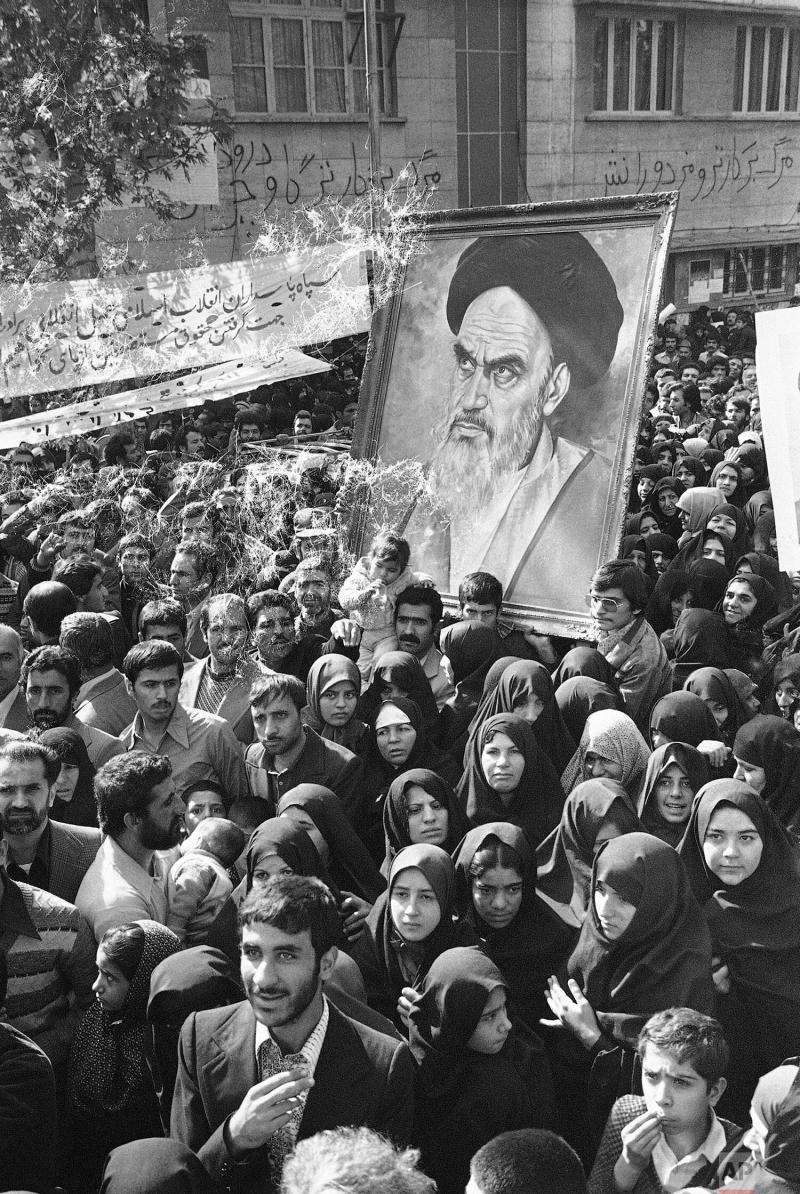
On November 4, 1979, the crisis began when militant Iranian students, outraged that the U.S. government had allowed the ousted shah of Iran to travel to the U.S. for medical treatment, seized the U.S. embassy in Tehran. The Ayatollah Khomeini, Iran's political and religious leader, took over the hostage situation and agreed to release non-U.S. captives and female and minority Americans, citing these groups as among the people oppressed by the U.S. government. The remaining 52 captives remained at the mercy of the Ayatollah for the next 14 months.
President Carter was unable to diplomatically resolve the crisis, and the April 1980 hostage attempt ended in disaster. Three months later, the former shah died of cancer in Egypt, but the crisis continued. In November, Carter lost the presidential election to Republican Ronald Reagan, and soon after, with the assistance of Algerian intermediaries, successful negotiations began between the United States and Iran. On the day of Reagan's inauguration, January 20, 1981, the United States freed almost $8 billion in frozen Iranian assets, and the 52 hostages were released after 444 days. The next day, Jimmy Carter flew to West Germany to greet the Americans on their way home.
Also on This Day in History
Discover more of the major events, famous births, notable deaths and everything else history-making that happened on April 24th
1800 -- Library of Congress established
President John Adams approves legislation to appropriate $5,000 to purchase "such books as may be necessary for the use of Congress," thus establishing the Library of Congress. The first books, ordered from London, arrived in 1801 and were stored in the U.S. Capitol, the library's first home. The first library catalog, dated April 1802, listed […]
1863 -- Union issues conduct code for soldiers
The Union army issues General Orders No. 100, which provided a code of conduct for Federal soldiers and officers when dealing with Confederate prisoners and civilians. The code was borrowed by many European nations, and its influence can be seen on the Geneva Convention. The orders were the brainchild of Francis Lieber, a Prussian immigrant […]
1916 -- Easter Rising begins
On Easter Monday in Dublin, the Irish Republican Brotherhood, a secret organization of Irish nationalists led by Patrick Pearse, launches the Easter Rebellion, an armed uprising against British rule.
1953 -- Winston Churchill knighted
Winston Leonard Spencer Churchill, the British leader who guided Great Britain and the Allies through the crisis of World War II, is knighted by Queen Elizabeth II on April 24, 1953. Born at Blenheim Palace in 1874, Churchill joined the British Fourth Hussars upon his father's death in 1895. During the next five years, he enjoyed […]
1955 -- The Bandung Conference concludes
The Afro-Asian Conference—popularly known as the Bandung Conference because it was held in Bandung, Indonesia—comes to a close on this day. During the conference, representatives from 29 "non-aligned" nations in Africa, Asia and the Middle East met to condemn colonialism, decry racism and express their reservations about the growing Cold War between the United States […]
1967 -- Soviet cosmonaut Vladimir Komarov killed when parachute fails to deploy
On April 24, 1967, Soviet cosmonaut Vladimir Komarov is killed when his parachute fails to deploy during his spacecraft's landing. He becomes the first human known to have died in space. Komarov was testing the spacecraft Soyuz I in the midst of the space race between the United States and the Soviet Union. Earlier in […]
1982 -- Jane Fonda's first workout video released
On April 24, 1982, Oscar-winning actress, anti-war activist and Hollywood royalty Jane Fonda adds a new title—exercise guru—as she extends her reach into the home-video market with the release of her first of her many bestselling aerobic workout tapes. Daughter of the celebrated actor Henry Fonda (star of 1940's The Grapes of Wrath), Jane worked […]
Be a good human. Grossly derogatory comments, blatantly inflammatory comments, excessive trolling, mean-spirited taunting and insults, scamming, spamming, and off topic comments may be removed in compliance with the site's Terms of Service and the Code of Conduct. The moderators have the final word.

Tags
Who is online

119 visitors
SSDD