
Discover the Best 17 Zoos in America Known for Their Conservation Efforts

By: Evie Carrick (Travel + Leisure)


 S E E D E D C O N T E N T
Top 5 Can’t Miss
- Disney's Animal Kingdom Theme Park virtually transports you to far-flung landscapes populated with wildlife like big cats and gorillas.
- Experience inclusive programming, such as sensory-friendly mornings, at Como Park Zoo & Conservatory.
- View animals in expansive and naturalistic habitat settings at the San Diego Zoo.
- Lincoln Park Zoo not only offers free admission, but also the chance to observe daily animal feedings and care.
- Guests can enjoy family-friendly activities like a narrated railroad ride at the free-to-enter Saint Louis Zoo.
There's something special about seeing the world's most incredible animals in one easily accessible place. Thanks to zoos, we can watch a family of orangutans swing from branch to branch, and a lion cub snuggle against its mother in a single afternoon. But as amazing as it can be to witness these wild animals up close, many activists view zoos as prisons. That's why it's important to do your research and carefully choose the ones you support. The best zoos in the U.S. are known for going above and beyond to ensure animal welfare, protect endangered species, revive dwindling populations, and educate visitors about the plights of some of the world's rarest creatures.
To help you determine the best and most ethical zoos, the Association of Zoos and Aquariums provides a list of AZA-accredited locations that offer excellent care for animals. From this list, we selected 17 of the most popular zoos in the country, from Walt Disney World's magical Animal Kingdom theme park to the famous Bronx Zoo and beyond.
Disney's Animal Kingdom Theme Park in Bay Lake, Florida
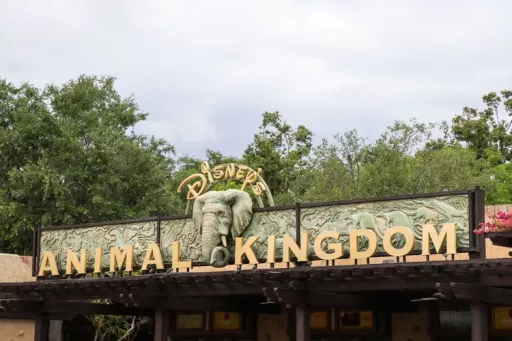
As you'd expect from Walt Disney World, Disney's Animal Kingdom offers magical scenes that seem plucked straight from one of the franchise's famous films. You'll get glimpses of tigers, lions, and gorillas as you wander along mystical trails that virtually transport you to faraway places. And you'll feel good about your visit, knowing that the 580-acre zoological theme park has done wonders as far as growing its elephant and giraffe herds. It has even transferred a white rhinoceros born at the park to the Ziwa Rhino Sanctuary , helping to reintroduce the animal in Uganda.
Como Park Zoo & Conservatory in Saint Paul, Minnesota

Admission to the year-round Como Park Zoo & Conservatory is free (though a small visitor donation is suggested). Drawing more than two million annual visitors, the park has plenty of programming, from sensory-friendly mornings to evening strolls for seniors. Its mission is "to inspire our public to value the presence of living things in our lives," and it does that by introducing people to animals from across the globe and promoting conservation.
San Diego Zoo in California
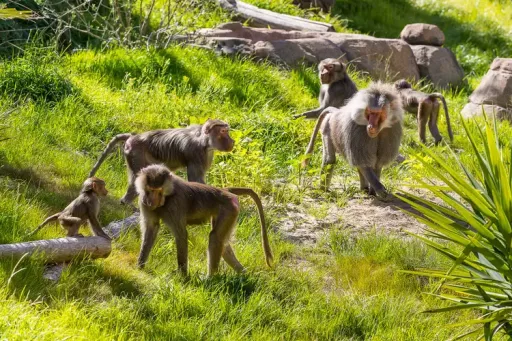
In addition to being accredited by the AZA, the San Diego Zoo is recognized by the American Alliance of Museums for its work. The zoo is home to some 12,000 animals and more than 3,000 different species and subspecies. It's known for keeping animals in spacious, open-air, and almost realistic habitats rather than cramped cages. Visitors are welcome to walk among birds in the aviaries and give their legs a break by riding the Skyfari aerial tram over several animal enclosures. Behind the scenes, the zoo's Wildlife Alliance arm has made great strides in areas like genetic diversity, reproductive sciences, disease, and population sustainability in an effort to help save plants and wildlife worldwide.
Lincoln Park Zoo in Chicago
Visiting Lincoln Park Zoo is hands down one of the best free things to do in Chicago . You don't have to spend a dime to see aardvarks, chimpanzees, tropical birds, wolves, and more, plus the zoo holds free activities like daily seal feedings. This zoo is one of the oldest in North America and has one of the largest zoo-based conservation and science programs in the country. Its scientists constantly monitor animal behavior to improve their welfare and have conservation initiatives set up all over the world.
Saint Louis Zoo in Missouri
Highlights of the Saint Louis Zoo include narrated rides on the Zooline Railroad, daily giraffe feedings, and the touch tank at Caribbean Cove. In addition to housing about 450 animal species, the zoo is recognized worldwide for its innovative approach to animal care and wildlife conservation. It has established two institutes to further its work: the WildCare Institute, which aids initiatives that protect animals from disease, poaching, and habitat loss, and the Institute for Conservation Medicine, which researches the impact infectious diseases have on the long-term survival of species and the health of animals, humans, and ecosystems. As a bonus, admission to the zoo is free.
Houston Zoo in Texas
Every year, more than two million people visit the 55-acre Houston Zoo to explore its reproduction of Brazil's vast Pantanal tropical wetland, see elephants splashing in their 160,000-gallon pool, and feed the resident giraffes lettuce snacks. With every ticket sold, visitors are able to help support over 30 wildlife conservation projects around the world. On top of its global work, the Houston Zoo spearheads local projects to save native Texas species from extinction, including the Houston toad and the Attwater's prairie chicken.
Brookfield Zoo Chicago in Illinois
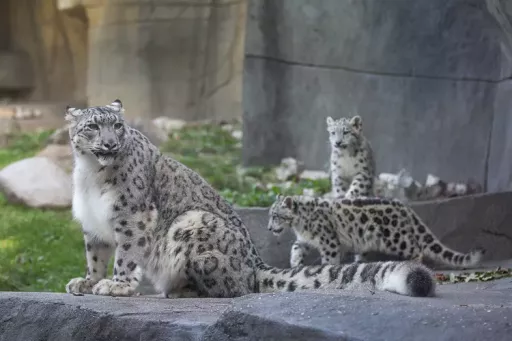
Critters from wallabies to lions to dolphins are housed in the Windy City's suburbs at the Brookfield Zoo Chicago . In addition to the Australia House (which has emus, bettongs, and kangaroos) and Habitat Africa (giraffes, nyala antelope, and the only place in the U.S. to see a pangolin), guests can attend zoo chats, walking tours, and demonstrations led by animal care specialists. The idea behind the zoo's interactive programming? Its mission is to inspire conservation leadership and connect people with wildlife and nature.
Omaha's Henry Doorly Zoo and Aquarium in Nebraska
You might not expect to find red pandas, Indian rhinos, snow leopards, and Amur tigers in Omaha, but all it takes is a visit to the Henry Doorly Zoo and Aquariu m to see these amazing creatures up close. This place contains the "world's largest indoor desert," a geodesic Desert Dome representing the Namib and Sonoran deserts and Australia's Red Centre. In addition to providing a place where people can see and learn about animals from all over the world, the zoo delves deep into the fields of molecular genetics, reproductive physiology, and conservation medicine.
Smithsonian's National Zoo in Washington, D.C.

For many visitors over the decades, giant pandas have been a highlight at the Smithsonian's National Zoo in Washington, D.C. The first pair was gifted by Chinese Premier Zhou Enlai in 1972 after President Nixon visited Beijing, and subsequent pandas have been on loan from China under a breeding and conservation agreement. The latest couple, Qing Bao and Bao Li, returned to the spotlight in January 2025. Pandas aside, the zoo has a wide range of animals to admire, from wallabies to gorillas to naked mole-rats. Its latest adorable addition: Linh Mai, the Asian elephant calf. While zoo admission is free, you will need to reserve an entry pass online before you go.
Behind the scenes, the Smithsonian Conservation Biology Institute plays a huge role in the efforts to inspire and train future conservationists as well as save wildlife species from extinction. These initiatives include breeding species that were once extinct in the wild—like the black-footed ferret and scimitar-horned oryx—and work focused on global tiger populations and regional landscape preservation.
Denver Zoo Conservation Alliance in Colorado
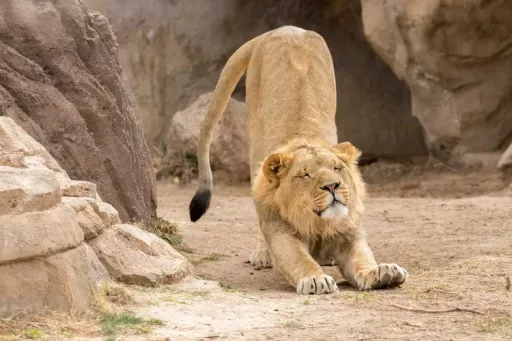
The centrally located, roughly 80-acre Denver Zoo Conservation Alliance is home to more than 2,500 animals, which it sees as "ambassadors for their wild counterparts all over the world." You might spot Siberian tigers peering down on visitors as they navigate an elevated walkway skirting their habitat, or see bats munching on melon in the zoo's bat cave. But it's about more than just animal encounters here—the zoo's Field Conservation and Emergency Wildlife Response teams fight against issues like human encroachment and habitat loss all over the world.
Bronx Zoo in New York City
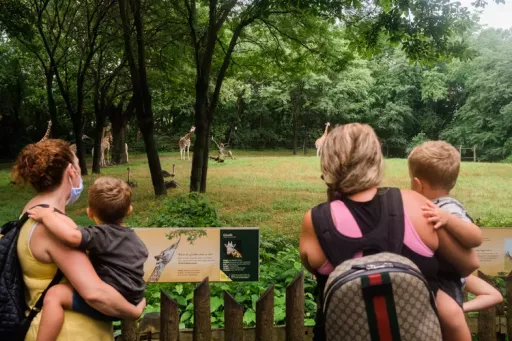
The flagship zoo for the renowned Wildlife Conservation Society is home to more than 11,000 animals and even operates its own zoo hospital. The Bronx Zoo is set in the heart of this NYC borough, but once inside its gates, visitors are transported to destinations like the Himalayas and the African plains. Some fan-favorite exhibits in the 265-acre zoo include the butterfly garden, Tiger Mountain, the sea lion pool, and the summer-only monorail that gives visitors up-close views of elusive Asian wildlife like Turkmenian flare-horned markhors and Przewalski's horses.
Los Angeles Zoo in California

The Los Angeles Zoo is home to more than 1,700 animals and over 60 endangered species such as African painted dogs, California condors, and axolotls. A major highlight is the Rainforest of the Americas habitat. The zoo's overarching goal is "to help create a better future for wildlife," a mission it fulfills by supporting field work, gathering data and insights, offering innovative animal care, and hosting speaker series and educational events.
Cincinnati Zoo & Botanical Garden in Ohio
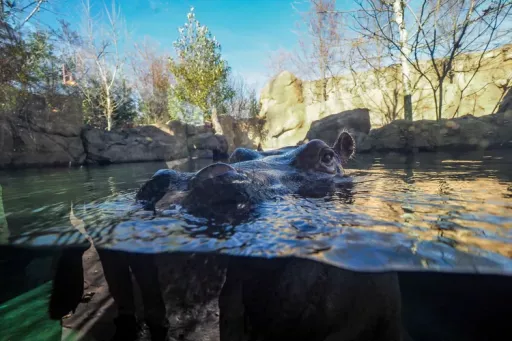
Ever heard of Fiona, the world-famous hippo? She was famously born six weeks premature and too small to nurse from her mother, which put her care team at the Cincinnati Zoo in the hot seat. They figured out how and what to feed her, providing round-the-clock care. The result is a healthy, happy hippo whose journey is followed by millions. In addition to this heartwarming success story, the zoo educates people about sustainable palm oil, pollinator conservation, and cell-phone recycling—all of which directly impact animals around the globe. The zoo is the second oldest in the U.S., open since 1875, and has a lovely botanical garden.
Audubon Zoo in New Orleans
Set in the John Charles Olmsted-designed Audubon Park in Uptown New Orleans , the Audubon Zoo has habitats from a flamingo lagoon to an African savanna where you can get nose-to-nose with lions while remaining safely behind glass. The Louisiana swamp section not only features animals such as white alligators and black bears, but also highlights Cajun culture and the daily life of people who live in the state's swamplands. As part of the Audubon Nature Institute, the zoo participates in a variety of conservation efforts, including an electronic-device recycling initiative to reduce coltan mining, which has impacted gorilla habitats. There's also a summer-only water park.
Oregon Zoo in Portland
Less than three miles west of downtown Portland, you'll find animals walking through reproductions of the African savanna and Arctic tundra. Residents include the Amur tiger, Asian elephant, and black rhinoceros. To secure a better future for these animals and all wildlife, the Oregon Zoo undertakes long- and short-term research projects and works to recover native species on the brink of extinction. It also spearheads educational efforts on the dangers of lead ammunition, which is hazardous to both humans and wildlife.
Oakland Zoo in California
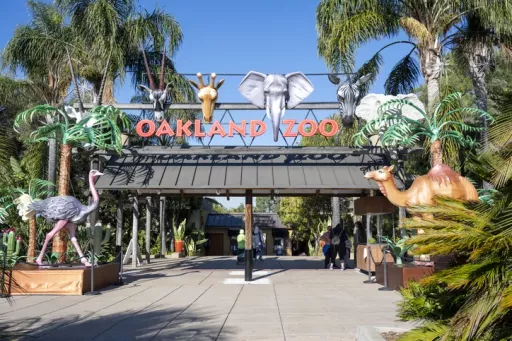
The Oakland Zoo is in a leafy neighborhood across the bay from San Francisco. With more than 850 animal residents, the zoo aims to recreate natural habitats—in the tropical rain forest, for example, where an artificial "river" keeps certain species of gibbons from roaming. An electric gondola takes guests on a four-minute ride from the main zoo area up to the California Trail, which showcases wildlife native to the state such as bison, mountain lions, and bald eagles. In addition to the zoo's conservation efforts, it partners with the California Department of Fish and Wildlife to treat animals saved from wildfires.
ZooTampa at Lowry Park in Florida
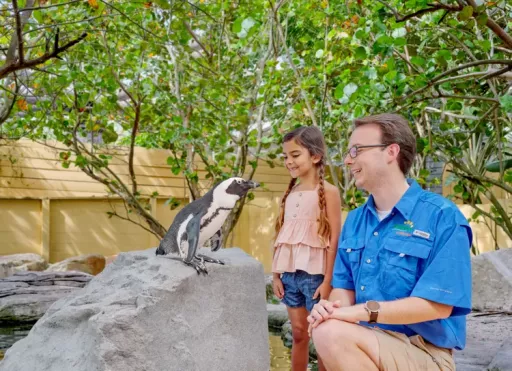
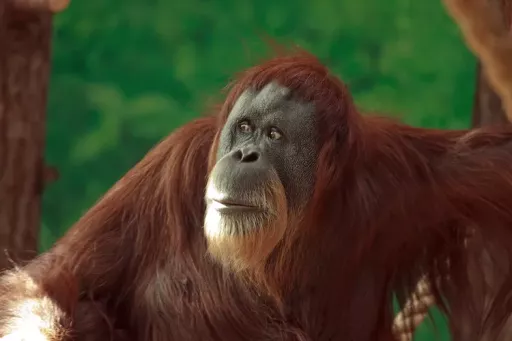
ZooTampa at Lowry Park plays an important role in conserving the state’s native wildlife, including Florida panthers and manatees. The zoo’s David A. Straz Jr. Manatee Critical Care Center has been rescuing and caring for orphaned and ailing sea cows since 1991. Visitors can chat with team members and watch the gentle creatures swimming underwater at Manatee Cove. But the zoo also nurtures endangered species from around the world, such as Bornean orangutans, African penguins, and macaws. Don't miss the twice-daily "Macaw Flyover," when the colorful parrots are released from their habitat and free-fly around the zoo, perching at spots like the Manatee Circle near the main entrance.
Remember the Golden Rule, be a good human. We're here to relax and chat, so let's keep it civil and fun. Please, remember to quote the person(s) you are replying to as a courtesy so everyone can follow the conversation. Grossly derogatory comments, blatantly inflammatory comments, excessive trolling, mean-spirited taunting and insults, scamming, spamming, and off topic comments may be removed in compliance with the site's Terms of Service and the Code of Conduct. The moderators have the final word and may remove comments at their judgement (or lack thereof).
Past performance does not guarantee future results. Comment at your own discretion. The owners of the site, the owner of this group, and the moderators are not responsible or liable for any stupid thing you do. You break it, you buy it. No shirt, no shoes, no service. Don't poke the bear. Mind the gap.

Tags
Who is online
78 visitors
It's been many years since I've visited a zoo. The Como Park Zoo in St. Paul, MN, had impressive botanical exhibits along with the animals. The zoo had a very well done small Japanese garden many years ago. It's worth a visit if you happen to have a little spare time while in the Twin Cities.