
Scratching a Bug Bite Will Make It Itchier! What to Do Instead

By: Lisa Lombardi (Readers Digest)
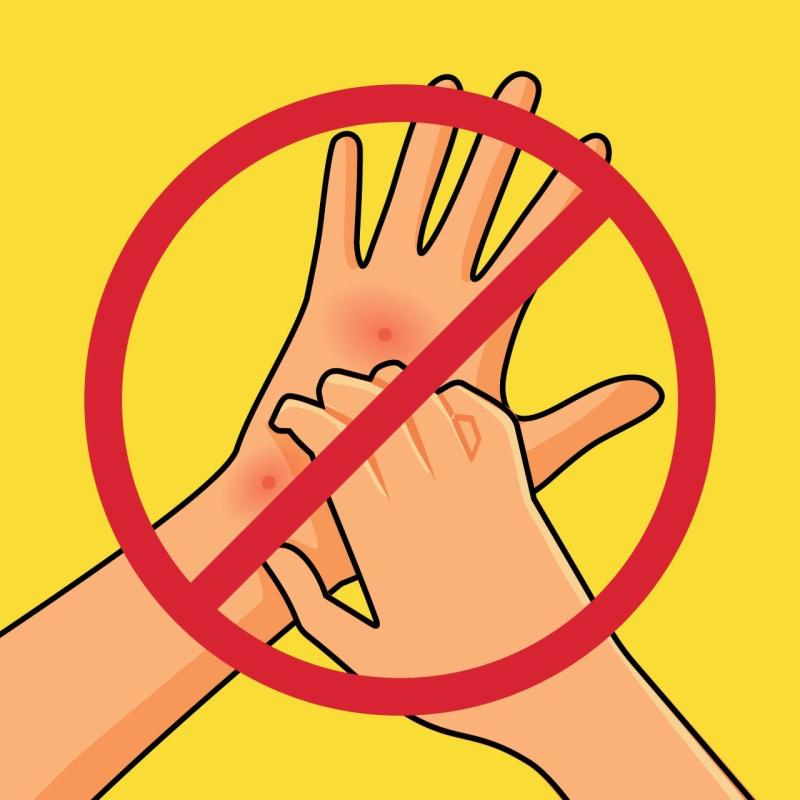


The author failed to mention the universal pain and discomfort relief -- Tequila shots. (Do NOT eat the worm unless you want another world of hurts. That's not Tequila.)
 S E E D E D C O N T E N T
I don't know about you, but when I get a mosquito bite, I can't help but immediately scratch. It feels so good … until it doesn't. Am I imagining things—or does scratching end up prolonging the misery?
"Scratching is a bad idea," says Daniel Kaplan, MD, PhD, a professor of dermatology and immunology at the University of Pittsburgh. He should know: His research team published a 2025 study in Science that uncovered the unexpected reason why scratching itchy skin can make things worse. (I knew it!)
Read on to learn why it's a mistake to scratch, the wild science behind why scratching sometimes feels kind of great, and how to make your bites way less itchy and uncomfortable. It's easier than you think—if you use the right tactic.
Why do bug bites make us so itchy?
When a mosquito bites you, it injects its proboscis—that's its mouth—into your skin and sucks your blood. Your immune system reacts to that injection of mosquito saliva with a "mast cell activation" allergic response. As part of that, your mast cells release compounds called histamines that cause you to itch, Dr. Kaplan says. If you're one of those people mosquitoes target and you're always covered in bites, you might end up extra uncomfortable.
Why does scratching a bug bite make the itching worse?
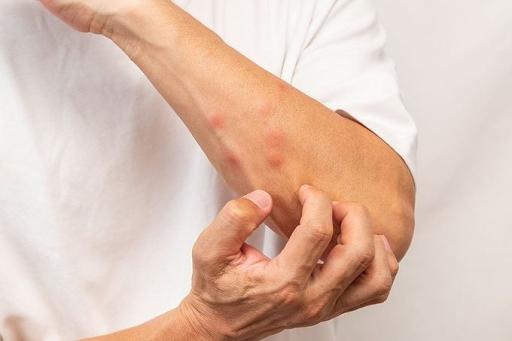
Scratching keeps your immune system in allergic-reaction mode. When you scratch, you prompt your body to keep pumping out those itch-inducing compounds. So "scratching makes a mosquito bite itchier and last a lot longer," Dr. Kaplan says. In attacking the itch, you keep activating your mast cells, prompting your body to release more histamines, making the bump itchier—and it's a vicious cycle.
For ages, experts (and moms) have known that scratching an itchy rash makes it worse. But they didn't know why. So Kaplan's team conducted lab research to try to find out. They exposed mice to skin allergens to give them rashes. Then they compared mice wearing cones of shame, which kept them from scratching, to mice without the cones. They found that when the mice couldn't scratch, their rashes healed faster. The reason: Scratching causes pain, and that can trigger mast cell activation.
"We found that the act of scratching can activate the neurons that sense pain as well," Dr. Kaplan explains. "And these neurons release a neuropeptide into the skin that can trigger mast cells to make even more of the molecules that trigger itch."
But why does it feel so good (at first) to scratch an itch?
By introducing a little bit of pain, scratching can override the itch—at least in the short-term. Why? Your neurons sense pain rather than itch, so scratching temporarily tricks the brain into thinking you're in pain, communicating pain instead of itchiness. But as the Science study discovered, pain also activates our allergic mast-cell response, so going to town with our nails will only serve to drag out our suffering.
There also might be an evolutionary benefit to scratching the skin, according to the University of Pittsburgh researchers. In the study, scratching reduced the amount of Staphylococcus aureus on the skin. Still, Dr. Kaplan says that the "super well-documented" risks of scratching—including damaging your skin barrier, increasing your chances of getting an infection and triggering an inflammatory response—outweigh this possible benefit.
So what should we actually do to stop the itch?
If you have willpower of steel, you might be able to white-knuckle it. "If you can resist scratching for five minutes, it can make all the difference" in stopping the itch-scratch cycle, Dr. Kaplan says. Meanwhile, for the rest of us, there are easier ways to trick your body into a less itchy state. Here are some home remedies for insect bites that actually work.
Take an antihistamine
Popping an over-the-counter antihistamine like Zyrtec or Allegra will help, even if you don't think you're especially allergic to bug bites. These meds block histamines, so your skin won't feel as itchy. "Antihistamines work phenomenally because they suppress the mast cells from releasing these itch-inducing compounds," Dr. Kaplan says.
Use a special heat pen
So here's a fun fact: You can actually trick the itch-sensing neurons into no longer communicating itch by distracting them with another sensory signal like heat or cold, Dr. Kaplan says. That's the idea behind battery-powered mosquito-bite pens. These relatively inexpensive devices have a warm plate at the tip, which you touch to your insect bite to override the itch.
"It's a wonderful trick to fool your brain into converting the itch sensation into another sensation, reducing the urge to scratch, which only makes things worse," Dr. Kaplan says. Basically, your brain will interpret it as "Oh, that is warm, not itchy," so it won't have the impulse to get your nails involved.
Grab some ice
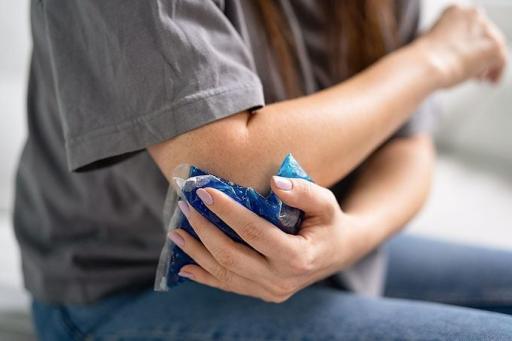
Wrapping ice in a towel and holding it against your bug bite can make it less itchy, Dr. Kaplan says. Again, the idea is that you're fooling your brain into interpreting a different sensation (not itchy, just cold). Incidentally, a cold shower helps for the same reason.
Ice also reduces inflammation and promotes healing, according to the Cleveland Clinic. Just don't keep an ice pack on for longer than 10 minutes or you could damage your skin.
Dab on menthol cream
Why would anyone apply an over-the-counter muscle and joint cream like Sarna to a bug bite? These products contain menthol, which has a cooling sensation. So it's similar to using ice—it fakes out your nerve endings and brain.
Does making an X with your fingernail help ease the itch?
Yes, this old-school remedy might actually provide a bit of relief! "Making the X induces some pain, and the pain can override the itch sensation in the same way that cold and heat can," Dr. Kaplan explains.
But, he warns, it's not an optimal way to short-circuit the itch because you're damaging your skin and causing a bit of pain, which could theoretically trigger your mast-cell response (though the pain is probably minor enough not to prompt that response). So make this weird hack your last resort, and instead, try to fake out your brain in a smarter and safer way.
Sources:
- Daniel Kaplan , MD, PhD, professor of dermatology and immunology at the University of Pittsburgh; phone interview, July 15, 2026
- Science : “Scratching promotes allergic inflammation and host defense via neurogenic mast cell activation”
- University of Pittsburgh Department of Immunology : “Why Does a Mosquito Bite Itch? Ask an Immunologist”
- Cleveland Clinic : “Mosquito Bites”
Remember the Golden Rule, be a good human. We're here to relax and chat, so let's keep it civil and fun. Please, remember to quote the person(s) you are replying to as a courtesy so everyone can follow the conversation. Grossly derogatory comments, blatantly inflammatory comments, excessive trolling, mean-spirited taunting and insults, scamming, spamming, and off topic comments may be removed in compliance with the site's Terms of Service and the Code of Conduct. The moderators have the final word and may remove comments at their judgement (or lack thereof).
Past performance does not guarantee future results. Comment at your own discretion. The owners of the site, the owner of this group, and the moderators are not responsible or liable for any stupid thing you do. You break it, you buy it. No shirt, no shoes, no service. Don't poke the bear. Mind the gap.

Tags
Who is online
68 visitors
Itch, itch. Scratch, scratch.