
The Best After-Dinner Drink for Better Sleep, According to Dietitians

By: Roxana Ehsani, M.S., RD, CSSD, LDN; Reviewed by Dietitian Jane Leverich, M.S., RDN (Eating Well)

It's like deja vu all over again. The latest, newest dietary recommendations are from my childhood.
 S E E D E D C O N T E N T

Think way back to the drink that could lull you to sleep as a baby—chances are it was a bottle of milk. Over time, plenty of other drinks have probably worked their way into your kitchen and pantry, from sleepy-time tea to shaking up nighttime mocktails to various other sleep-supportive nightcaps. But which one will actually warm you up like a full embrace and help you wind down for the night? We asked dietitians what’s the best after-dinner drink for better sleep and they said: milk . Here’s why.
Why Milk May Help You Sleep Better
It Contains Tryptophan
Ever heard that eating turkey makes you sleepy? Well, that same amino acid found in turkey that may contribute to drowsiness—tryptophan—is also found in dairy milk. “Milk naturally contains tryptophan, an essential amino acid the body uses to produce serotonin and melatonin, two compounds involved in the sleep-wake cycle,” says Katherine Brooking, M.S., RD .
Your body uses tryptophan to make serotonin , a neurotransmitter involved in mood and relaxation, which can then be converted into melatonin , a hormone that helps regulate your sleep-wake cycle. 1 , 2
It Provides Carbohydrates, Protein & Fat
In addition to its carbohydrate content, milk also provides protein and, depending on the variety, fat, which can help promote satiety and keep you feeling full. 3 “This can support better blood sugar balance throughout the night, prevent sleep-disrupting blood sugar dips and limit the feelings of hunger, which could lead to more restful sleep,” explains Lauren Twigge, M.C.N., RDN, LD .
Milk also contains two proteins: whey and casein. Whey gets talked about a lot, but casein has its own benefits—it’s slower to digest, which can make it a satisfying option to enjoy before bed. 4 “For someone who is genuinely hungry after dinner, a modest serving may reduce the distraction of going to bed hungry,” explains Brooking.
It Contains Calcium & Magnesium
With the popularity of sleepy girl mocktails that mix in powdered magnesium , you might already have magnesium on your radar. It’s gotten a lot of attention for its potential role in relaxation and sleep. Milk also contains a range of micronutrients that support overall health, including magnesium and calcium . 5 “One glass of milk contains roughly 30% of your Daily Value for calcium, which helps the brain use tryptophan, increasing melatonin levels and supporting deeper sleep,” shares Twigge. 4 , 6
Maggie Moon, M.S., RD, also points to research that has explored the relationship between calcium intake and sleep, with some findings suggesting that adequate calcium may be associated with better sleep quality and lower stress. 7 , 8
It’s Rich in Vitamin D
Most milk in the U.S. is fortified with vitamin D , an important nutrient that plays several roles in the body and may also be connected to sleep. “Low vitamin D levels have been linked to shorter sleep duration, poor sleep quality and increased risk of sleep disorders like insomnia,” shares Twigge. 9 The good news: An 8-ounce serving of milk contains about 15% of your Daily Value for vitamin D. 3 , 10
Research suggests that improving vitamin D status may help support better sleep . “Studies suggest that a vitamin D supplement improved sleep quality and led to fewer sleep disturbances,” explains Moon. 11
It May Be Calming
“Milk can provide a soothing feeling for many people. A familiar, caffeine-free drink can be folded into a consistent wind-down routine, creating a repeated cue that the active part of the day is ending,” says Brooking. 12
And there may be something to the temperature too. “Drinking warm milk in the hours before bedtime may help lower the body’s core temperature from the inside out. This helps initiate sleep onset,” adds Moon. 13 Some research has also linked consuming warm beverages before bed with fewer insomnia symptoms, although more research is needed to understand whether the temperature of a drink itself affects sleep. 14
Ways to Enjoy Milk
Milk can be enjoyed in a variety of ways and included into your bedtime routine. That said, if you can’t tolerate lactose, turn to lactose-free milk that contains the same nutrients as dairy milk. Dietitians share their favorite ways to enjoy milk after dinner:
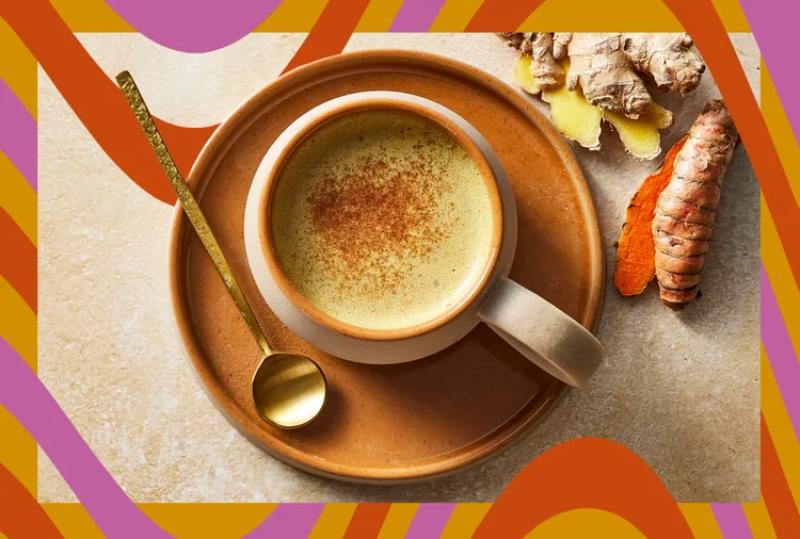
- Enjoy it warm and spiced. “Try warmed milk with a little bit of vanilla extract and baking spices like cinnamon and nutmeg for a cozy after-dinner sip,” says Moon. A turmeric latte is a good option, too.
- Try it cold or frothed . Drink a glass of milk cold if that’s your preference or give a quick froth if that sounds appealing.
- Make a smoothie. Whipping up a smoothie with milk can be a satisfying option if you feel hungry after dinner.
- Pair a glass with a small snack . Pair milk with a small portion of oatmeal, whole-grain toast or a few nuts if you’re hungry before bed, says Brooking.
- Make chia pudding. Chia pudding just requires a liquid and chia seeds—enhance it by using milk and top it with your favorite fruit or nuts, says Moon.
Other Strategies to Support Better Sleep
When it comes to sleep , there are plenty of other things you can do to get a better night’s rest. Experts share these evidence-based tips:
- Make time for movement during the day . “A good workout earlier in the day often leads to great sleep at night. Research suggests physical activity can improve multiple aspects of sleep quality,” says Moon. 15
- Keep sleep and wake times consistent. Aim for similar sleep and wake times across the week. “Regularity in sleep timing is important for health, safety and performance” says Brooking. 16
- Limit screen time. Actively scrolling on your phone prior to bedtime can stimulate your brain and make it difficult to fall asleep. Try to limit screen time for 30 to 60 minutes prior to falling asleep and lean into other more relaxing hobbies like reading a book, says Twigge.
- Set a caffeine cutoff. Caffeine is a known sleep disruptor, as it promotes alertness that can linger for hours even after you finish your cup. Sensitivity varies from person to person, so know your unique caffeine cutoff, says Brooking. 17
- Create ideal sleep conditions. A dark room and cool temperature make for the best sleep environment, says Twigge.
Recipes to Try

Turmeric Latte
Studies on turmeric's health benefits, particularly for reducing inflammation, are preliminary but promising. Try this vegan turmeric latte made from steamed almond milk and sweetened with a touch of maple syrup. By Carolyn Malcoun

The Best No-Added-Sugar Smoothie
This healthy strawberry smoothie is tart, creamy and naturally sweet. The frozen strawberries and fresh dates add the perfect amount of sweetness to balance the tart passion fruit. A splash of vanilla ties it all together, making this smoothie something you can enjoy anytime of day. By Isabelle Easter

Healthy Chocolate Milk Recovery Drink
Recover from your next workout with this healthy chocolate milk recovery drink. Avocado adds creaminess, while chocolate and peanut butter give it a satisfying salty-sweet flavor. Oats will fill you up with a boost of fiber. By Britney Victoria Alston
Our Expert Take
Dietitians agree the best after-dinner drink for better sleep is dairy milk. A glass of milk provides tryptophan, protein, calcium, magnesium and vitamin D, all of which may play a role in sleep and overall health. Plus, for many people, milk is simply soothing and calming as part of a relaxing bedtime routine. And you can enjoy it in a variety of ways—warmed with spices, cold, frothy, paired with a light snack or blended into a smoothie or chia pudding.
Roxana Ehsani, M.S., RD, CSSD, LDN
Roxana Ehsani is a registered dietitian nutritionist, board-certified sports dietitian, national media spokesperson and recipe developer. She has been quoted in hundreds of national media outlets, including EatingWell, U.S. News & World Report, Runner's World, Newsweek and many others.

Reviewed by Dietitian Jane Leverich, M.S., RDN
Jane Leverich is a registered dietitian, writer, nutrition consultant and Pilates instructor based in Denver.

Remember the Golden Rule, be a good human. We're here to relax and chat, so let's keep it civil and fun. Please, remember to quote the person(s) you are replying to as a courtesy so everyone can follow the conversation. Grossly derogatory comments, blatantly inflammatory comments, excessive trolling, mean-spirited taunting and insults, scamming, spamming, and off topic comments may be removed in compliance with the site's Terms of Service and the Code of Conduct. The moderators have the final word and may remove comments at their judgement (or lack thereof).
Past performance does not guarantee future results. Comment at your own discretion. The owners of the site, the owner of this group, and the moderators are not responsible or liable for any stupid thing you do. You break it, you buy it. No shirt, no shoes, no service. Don't poke the bear. Mind the gap.

Tags
Who is online

158 visitors
So where did the no fat, no meat, no eggs, no dairy, saccharine rich dietary recommendations advocated during my adult life come from? Turns out it would've been better to listen to Fanny Farmer or Betty Crocker than to the dietary experts of the last half of the 20th century.