
U.S. and Israel are planning for a possible post-midterms attack on Iran

By: Daniel Estrin, Hadeel Al-Shalchi, Ruth Sherlock (NPR)


President Trump has two months with a lame duck Congress to finish what he started. Does anyone really expect this to end well?
 S E E D E D C O N T E N T
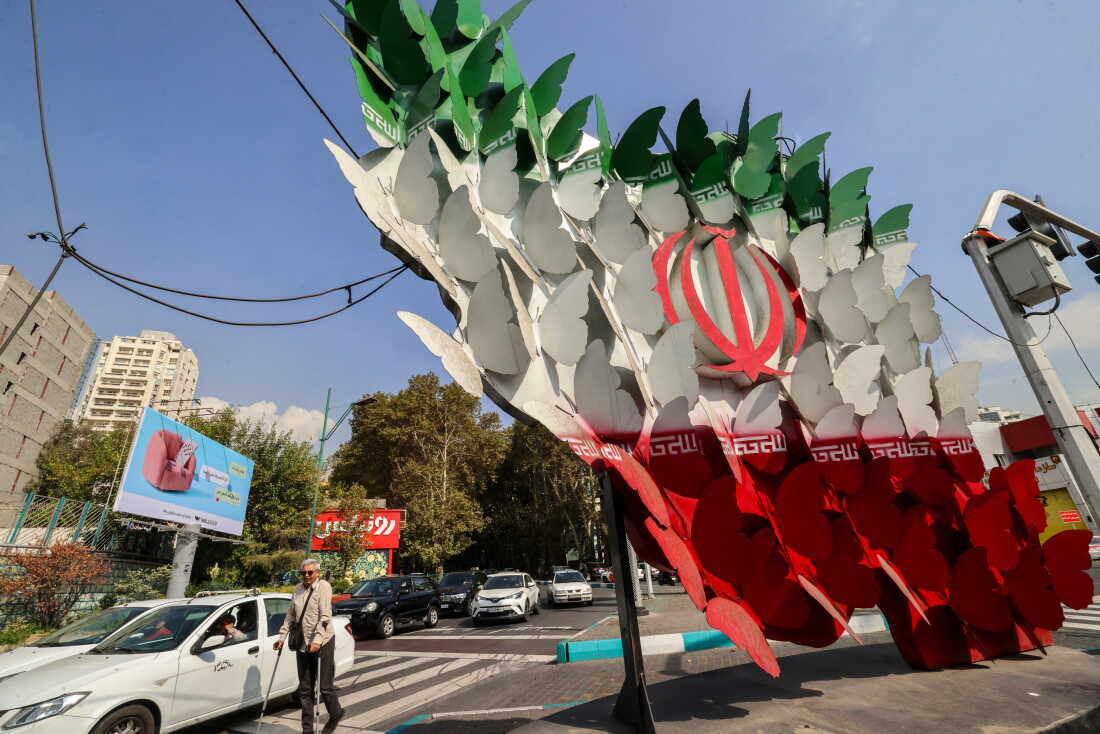
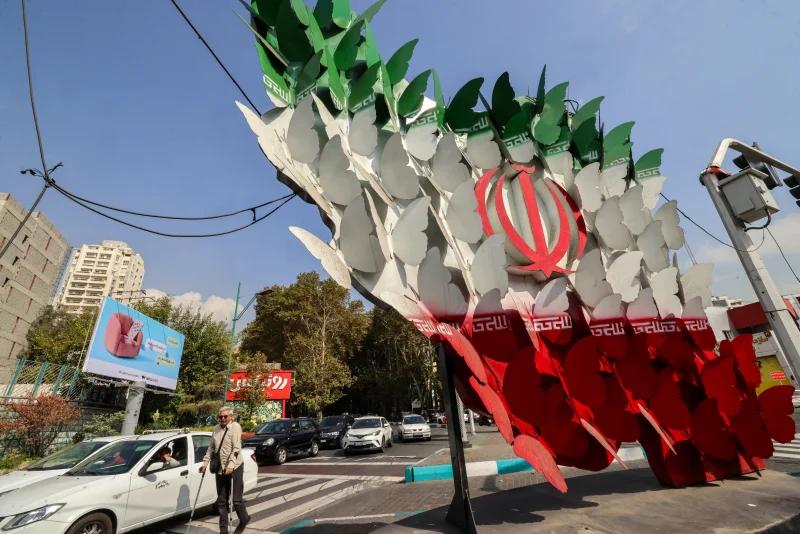
October 26, 2026 — TEL AVIV, Israel and ISTANBUL — The U.S. and Israel are preparing plans for a possible attack on Iran in early November, after the U.S. midterm elections, a person briefed on the U.S. and Israel's war planning told NPR on Thursday. Iran said it is prepared.
The person, who spoke to NPR on condition of anonymity to discuss the preparations, said Israel had initially planned to strike Iran in mid-October, about two weeks before Israeli elections on Oct. 27, but President Trump objected.
According to the person briefed, the U.S. is now amassing forces in the region to be ready to attack by early November, after the U.S. midterm elections, but that these preparations could also be part of a campaign to pressure Iran to reach a diplomatic deal.
U.S. midterm elections take place on Nov. 3.
Israeli Prime Minister Benjamin Netanyahu, who is seeking reelection, is campaigning on a threat to topple Iran's regime.
Iran's Foreign Minister Abbas Araghchi told Iranian state media on Thursday, "We are just as prepared for diplomacy as we are for war."
"Any scenario is conceivable, including the possibility of an attack by the U.S. and Israel," Araghchi said.
Iranian state media also quoted a security source saying that if Iranian officials or civilian infrastructure were attacked, Iran would retaliate by targeting U.S. interests in the region, as well as the infrastructure and assets of countries participating in the war.
The U.S. and Israel launched a war on Iran on Feb. 28, killing its supreme leader and a number of senior Iranian officials. Since then, the two sides have failed to uphold a ceasefire agreement and have traded strikes over the control of the Strait of Hormuz. Iran has blocked the key global waterway since the start of the war, targeting commercial vessels, and the U.S. responded by imposing a blockade on Iranian ports and its oil shipments.
The U.S. strikes have reduced Iran's military capabilities, including its air force, air defenses and its navy. But despite the inflicted damage, Iran remains a threat to the Arab countries in the Gulf, as well as Middle Eastern states farther away, including Israel. It has targeted U.S. military bases in the Gulf and Jordan.
Iran's Revolutionary Guard has threatened that if the U.S. and Israel resume attacks, data centers and underwater internet cables in the Gulf could be targeted.
Deputy for Political Affairs of the Islamic Revolutionary Guard Corps Yadollah Javani said that Iran was prepared to destroy internet cables running under the Strait of Hormuz.
"The Americans must leave the region — they no longer have a place here — and they can never restore the situation to what it was before the war," he said.
Iranian state media also said that seven oil tankers in the Strait of Hormuz were targeted by the Iranian Revolutionary Guard Corps on Thursday. Four tankers caught fire and three others hit naval mines.
A new report by the International Monetary Fund says disruptions to energy production, shipping, tourism and trade this year have delivered substantial shocks to countries in the Gulf, even as higher oil prices offset some of these losses for energy exporters.
The international lender says Iraq, Kuwait and Qatar are all expected to experience contractions of around 16% to their economies this year.
The economies of Saudi Arabia and the United Arab Emirates are also in recession this year.
The IMF says if the U.S.-Israeli war with Iran continues and energy supply disruptions persist, the price of oil will average $130 a barrel in 2027.
Daniel Estrin reported from Tel Aviv, Israel, Ruth Sherlock from Jerusalem and Hadeel Al-Shalchi from Istanbul, Turkey. Aya Batrawy contributed to this story from Dubai, UAE.
Be a good human. Grossly derogatory comments, blatantly inflammatory comments, excessive trolling, mean-spirited taunting and insults, scamming, spamming, and off topic comments may be removed in compliance with the site's Terms of Service and the Code of Conduct. The moderators have the final word.

Tags
Who is online
86 visitors
In other news, the US is removing non-essential diplomatic personnel from Saudi Arabia. Iran is sinking ships with drones, missiles, and mines. Now the Houthis have become a real threat to global trade and Europe access to Saudi oil. Benjamin Netanyahu has made Iran a centerpiece of his reelection campaigning. And Russian oil is supposed to lessen the coming shock to the oil markets.
The situation in the Middle East has become so chaotic that now its difficult to tell which tail is wagging which dog.