
IEA Report Reveals More Than 1 in 4 Cars Sold Worldwide in 2025 Are Set to Be Electric | EC&M

By: ECM
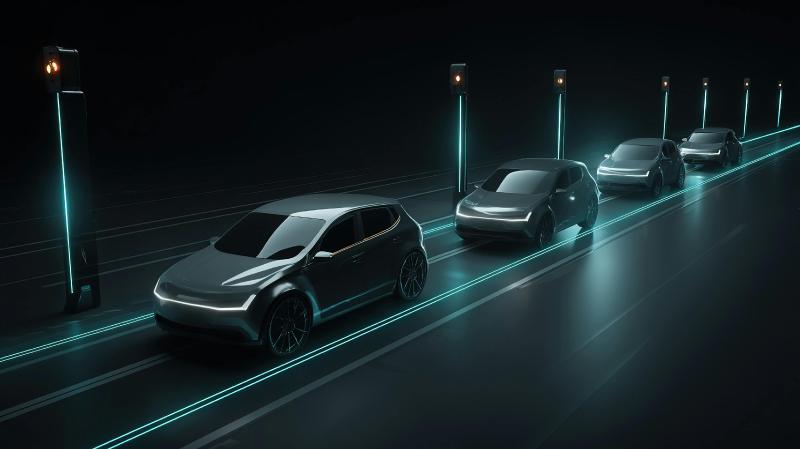


EV production and sales are accelerating as prices drop world wide. Let's hope the electrical infrastructure here can keep up and that processes are in place to recover and recycle the batteries as they become depleted.
 S E E D E D C O N T E N T
May 20, 2025
Despite uncertainties, EV market share is on course to exceed 40% by 2030, new IEA report shows.
Following another year of robust growth, global sales of electric cars are on track to surpass 20 million in 2025, accounting for over a quarter of cars sold worldwide, according to the new edition of the IEA's annual Global EV Outlook .
The report shows that despite recent economic headwinds that have put pressure on the auto sector, global sales of electric cars have continued to break records as electric models become increasingly affordable. Sales exceeded 17 million globally in 2024, putting EVs' share of the global car market above 20% for the first time, as forecasted by the IEA previously. And in the first three months of 2025, electric car sales were up 35% year-on-year. All major markets, and many others, saw new records for first-quarter sales.
China maintains its position as the EV market leader, with electric cars accounting for almost half of all car sales in 2024. The number of electric cars sold in China last year (more than 11 million) is equivalent to the total sold worldwide in 2022. Emerging markets in Asia and Latin America have also become new centres of growth, with total electric car sales across these regions surging by more than 60% in 2024.
In the United States, electric car sales grew by about 10% year-on-year, reaching more than one in ten cars sold. Europe saw sales stagnate as subsidy schemes and other supportive policies waned, though the market share of electric cars remained around 20%.
On a global level, the average price of a battery electric car fell in 2024 amid growing competition and declining battery costs. In China, two-thirds of all electric cars sold last year were priced lower than their conventional equivalents, even without purchase incentives. However, the purchase price gap with conventional cars persisted in many other markets. The average battery electric car price in Germany, for example, remained 20% higher than that of its conventional counterpart. In the United States, battery electric cars were still 30% more expensive.
According to the report, almost one-fifth of electric car sales worldwide are of imported vehicles. China, which accounts for more than 70% of global production, shipped nearly 1.25 million electric cars to other countries in 2024. This included to many emerging economies, where electric car prices fell considerably on the back of Chinese imports.
The new Outlook is complemented by updated versions of two online tools: the Global EV Data Explorer and the Global EV Policy Explorer, which allow users to further explore EV statistics, projections and policy measures worldwide. The IEA is also preparing a special report on the future of the global car industry as EV adoption accelerates. The new report, due to be published this summer, will include analysis on how to ensure the competitiveness and resilience of supply chains for a car industry in transition.
Read the full report here .
Y'all be cool now, ya hear?

Tags
Who is online
86 visitors
So the US is lagging the rest of the world in the sales growth and EV percentage of total cars sold. Even so, the electrical infrastructure will need to keep up with the growing demand. Necessity breeds innovation, as they say.
Currently electric cars are not an option for anyone that travels any distance. I had an electric vehicle for a rental in Florida drove it 65 miles it took 2 1/2 hours to charge it to the point where I could return it. .
I have never rented an electric car before. So I take it you have to top off the charge as you would top of the gas tank in an ICE car? I can see where that could be a problem if there is no access to a Level 3 charger which could charge it much quicker than that. Most Level 3 chargers can quickly charge to 80% battery capacity, but then slow considerably between 80% to 100% . Is that what you ran into?
Lower the regulatory and safety requirements to match China's price point and the US would catch up. The BYD Seagull is selling for about $8,000 in China.
Yes I read some articles about the Seagull in trade magazines. The safety test results are actually quite good, according to Chinese testing labs .
It appears that the primary reason BYD is able to produce it so cheaply is that they make most of the components in house , including the battery. Perhaps that is what our manufacturers need to focus on, although I imagine labor costs here are several times what they are in China to produce the parts and to assemble.
China also subsidizes their EV industry quite heavily, and as you say, the regulatory environment on manufacturing there is likely not as onerous as it is in the U.S.
Interesting tidbit HERE .
BYD is planning to sell the Seagull in Europe rebranded as the Dolphin, I think. European safety standards are on par with the US. I don't know how the Chinese tests compare to US and European standards. But obviously the cars need to meet European standards before they can be sold in Europe.
The irony is that the US auto industry had perfected vertical integration. Neoliberal economics destroyed the automakers ability to manufacture. Now the US automakers need 2 to 6 months to manufacture an automobile.
I take it you mean because of the waiting on supply chains that might not be the most efficient/secure?
Perhaps in terms of regulation and anti-trust you mean? I would say that technology and modernization also contributed to reliance on external supply chains. Car manufacturer's these days unfortunately need to rely on outside expertise for parts that are way outside their wheelhouse. I don't see an issue with that until those supply chains become unreliable, or a security risk. Keeping them in the US would clearly be better.
Shifting to mobile warehouses (which is what containers in transit really are) was just an accounting trick.
If the automakers lack 'expertise outside their wheelhouse' then how do they know what to include in the vehicle designs, what to order, and what performance requirements to include in the contracts? The Mexican and Canadian first tier suppliers don't deliver guess-and-by-golly quality parts, do they?
Why does a first tier supplier need to be located in Canada? Canada doesn't strike me as a source of low wage, few benefits labor. Taxes on business is comparable between Canada and the US. Canada has stronger labor unions than the US. It seems that Canada doesn't really have a substantial comparative advantage for manufacturing costs. The available information suggests that stretching the supply chain across an international border only provides a way to game the system.
According to the IEA report China sold 11.3 million BEV and PHEV vehicles in 2024. The estimated total of new light vehicles sold in the US in 2024 is 15.8 million. The Chinese market is so large it's going to skew the global numbers.
Keep in mind that China is very dependent on foreign sources of oil. The growing Chinese EV market is more about lessening energy dependence (for security reasons) than it is about going green.
No doubt.