
Chess champion Jennifer Shahade on power, risk and why overthinking is a losing move

By: Elissa Mendes (Toronto Star)


 S E E D E D C O N T E N T
Beyond the black-and-white marble board, the world of chess is an arena for foresight, wealth and grasps at power and control.
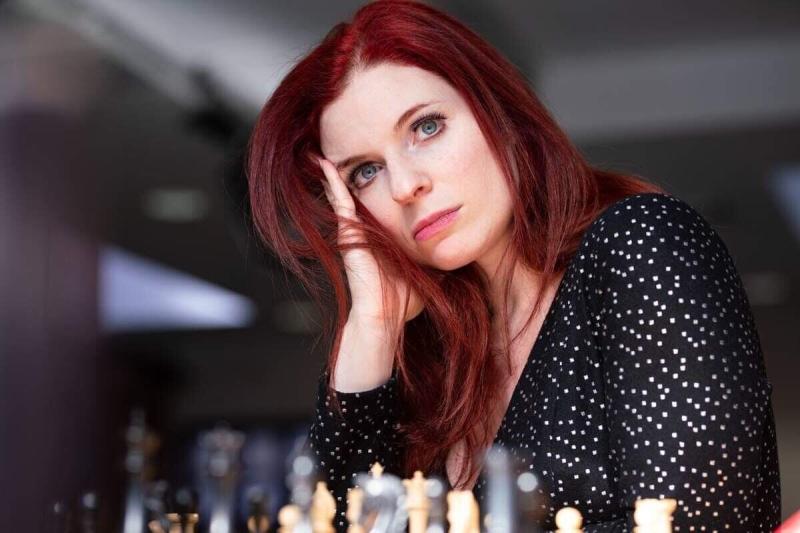
Jennifer Shahade knows this to be true: she is an Olympic chess medallist, the first female to win the U.S. Junior Open and holds two U.S. Women's Championship titles. She's also an advocate for gender equality and the author of "Thinking Sideways: How To Think Like a Chess Player and Win at Life."
The Star caught up with Shahade ahead of a Soulpepper event Monday, where she'll talk with Opinion Editor Jordan Himelfarb about strategy, decision-making and what to do when the obvious move fails. This conversation has been edited for length and clarity.
What has chess taught you about decision making?
You don't necessarily make a better decision by thinking for a really long time. You have to get used to making decisions under uncertainty, so you can make them quickly and confidently.
Of course, you're going to make some big mistakes. But in chess, if you run out of time, you lose the game. Not making a decision is a decision in itself.
Also, good chess players don't often think 10 moves ahead — they're thinking about making their position better and more secure in that moment. People are nervous about the velocity of change and AI in particular, and it can be hard to plan five years or even five months ahead. Chess taught me to be flexible.
What lessons does chess hold about power?
Around the year 1500, the queen went from worst to first in terms of her mobility, prompting a lot of backlash and attacks on the game. That's an incredible microhistory that persists to this day: there is oftentimes resentment toward women who gain power.
In the real world, we see the top players capture most of the money in chess from sponsorships and philanthropy. Billionaires promote chess and associate the game with elegance and intelligence, which is great for people trying to make a living off chess. But it's interesting that there is so much influence and power over the world in such a small number of hands.
What will it take to make chess more gender equitable?
The percentage of women and girls playing chess is very low.
We have got to do something about online misogyny, which is out of control. This mentality that women are weaker and inferior bleeds into the online space, where young people spend so much of their lives. It's terrible that if a girl starts playing chess, she's 100 per cent going to be exposed to this garbage. I hate that.
Your story sparked a #MeToo reckoning in the chess world. In the years since you came forward, how has your mission to make the sport safer evolved?
I think there's been some wins. There's consequences for abuse, like the specific grandmaster I raised alarms about, but also for others in organizations around the world.
To me, the biggest thing is prevention. Once someone is abused, assaulted or harassed, the damage is done in many ways, and reporting it is important but can be retraumatizing. Having these systems in place is crucial for sending a message: you can't get away with it.
You have so many hard-fought and historic titles to your name. Which achievement stands out as your proudest?
Speaking up for all genders. Being able to effect change is my proudest accomplishment because it was the hardest thing to do.
What keeps you grounded in your high-powered and high-stress career?
My family. I have a nine-year-old son, and we make videos where I'm teaching him to play chess, and that's really delightful. My husband has always been really supportive of me, and my brother and dad are both chess champions and big fans of mine.
Before my mom passed, she was a trailblazer as one of the first female chemistry professors at Drexel University. She was always a big advocate for doing things differently — and not being afraid to be the first.
Be a good human. Grossly derogatory comments, blatantly inflammatory comments, excessive trolling, mean-spirited taunting and insults, scamming, spamming, and off topic comments may be removed in compliance with the site's Terms of Service and the Code of Conduct. The moderators have the final word.

Tags
Who is online
93 visitors
Chess can be a brutal, vicious game. The real enemy is within. Someone that achieves champion status is worth listening to.
There are few things I regret when I thinkk about my past. One of them is when I played chess with my best friend in front of his two sons, and beat him twice in a row. I shoud have thrown the second game.
My ex used to call me Hamlet because I would think too much about things. As Shakespeare wrote..."some craven scruple / Of thinking too precisely on the event"