
A Cornucopia of MAPS!



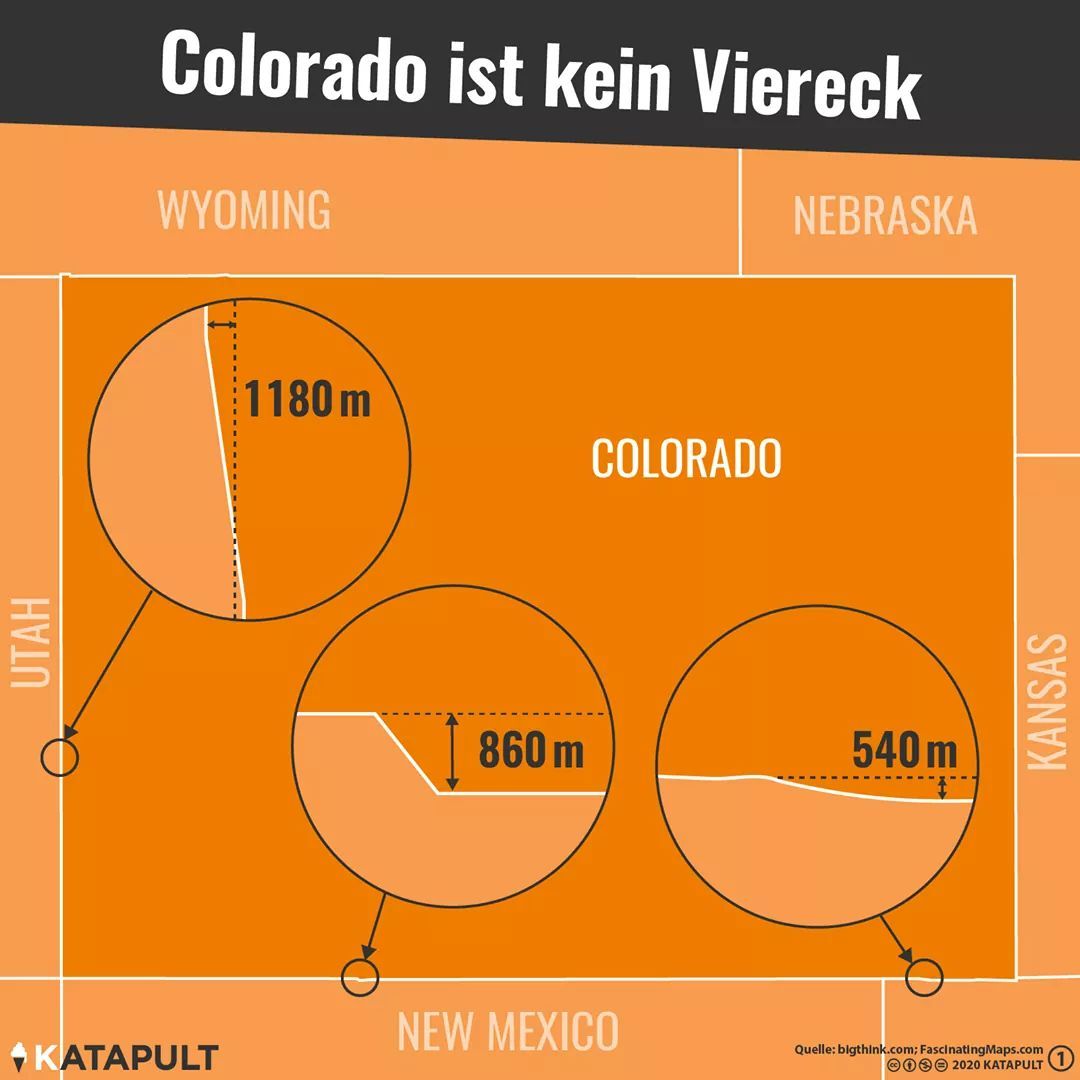
Colorado is not a rectangle
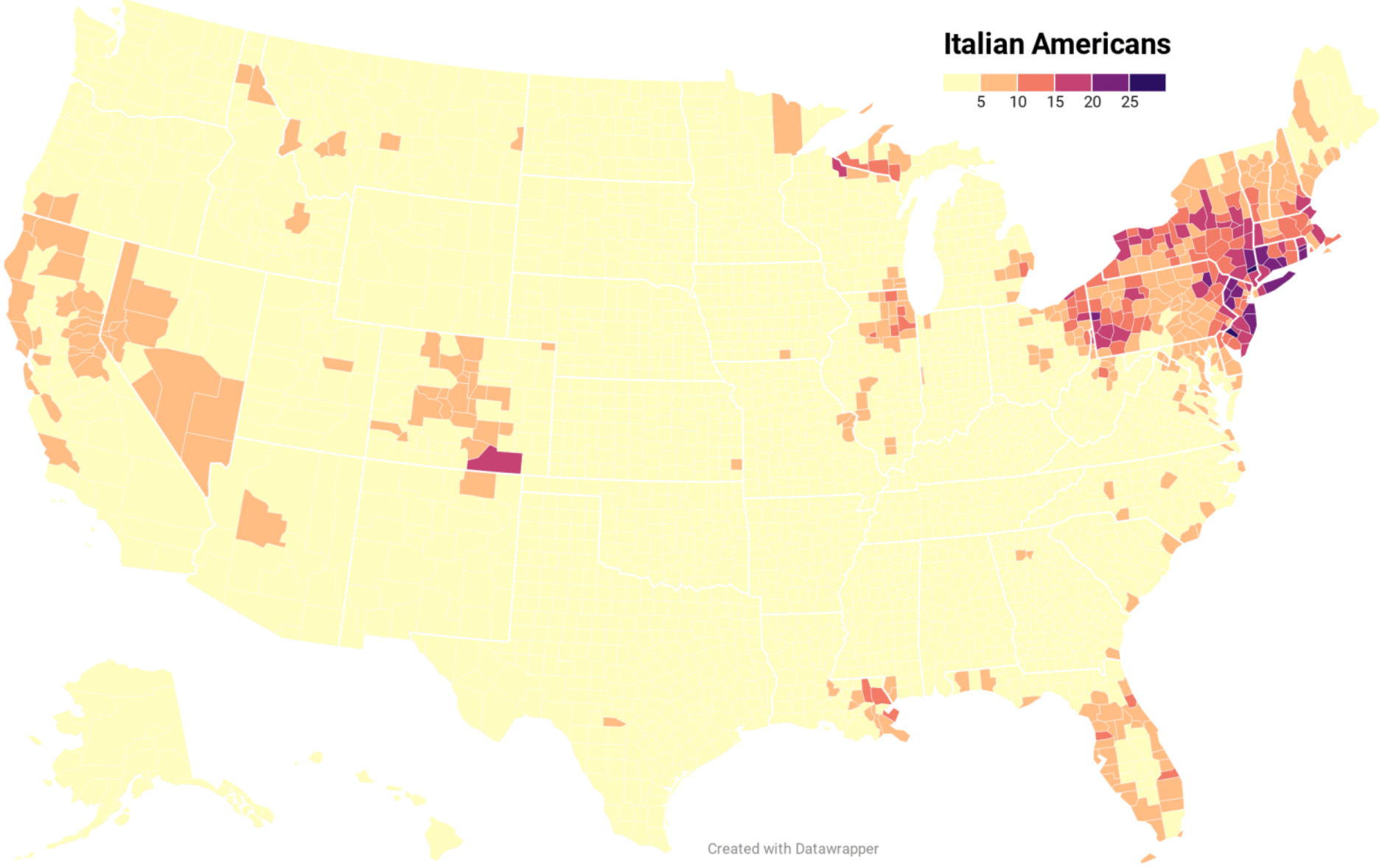
Italian Americans by County
The closest state capital
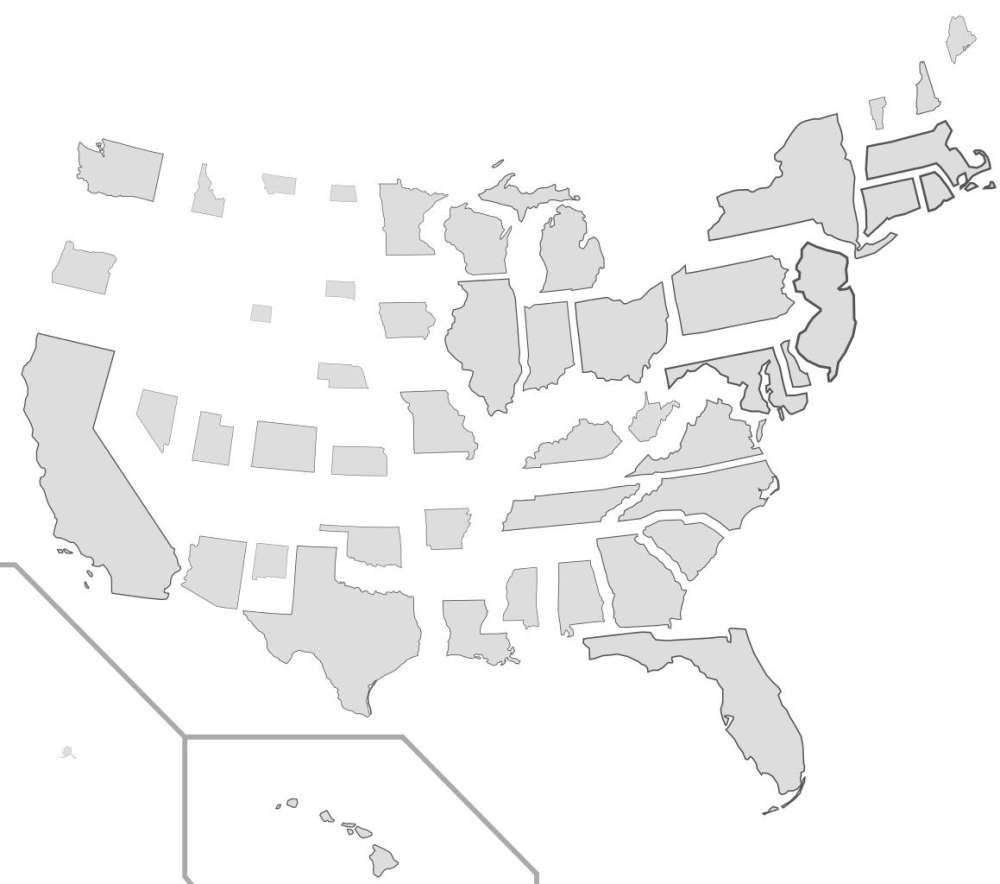
States resized for population density
Factoids!!
They're adorable ...
BIDEN 2020

Proportion of Italian Americans by County, 2018
10% of the U.S. population lives closer to a state capital different than their own
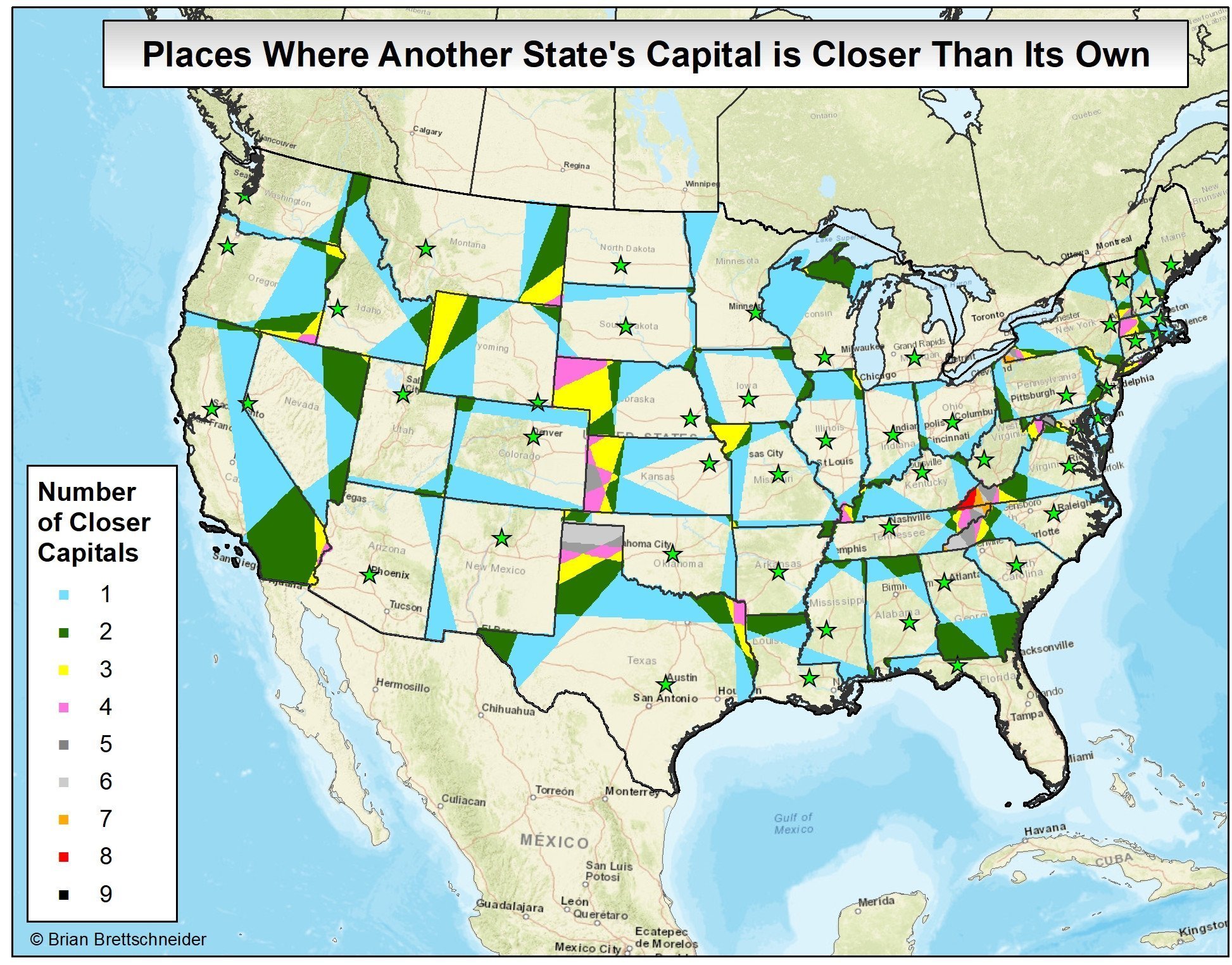
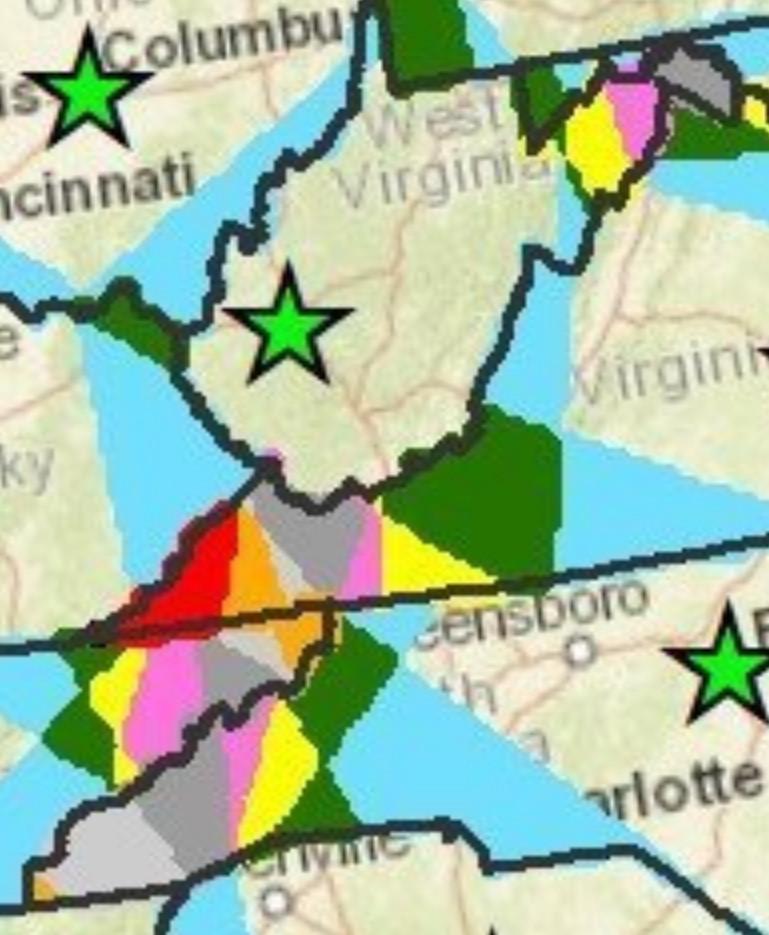
More than 10% of the U.S. population lives closer to a state capital different than their own state’s capital. In some cases, they live closer to 5+ other state capitals. A tiny part of western Virginia is closer to 9 other capitals than to Richmond.
The US if the states were resized for population density
Tags
Who is online
92 visitors
The "population density" map is kinda cool. It puts the various regions into perspective.
The map shows part of MN with a large Italian population. Many people believe that MN is almost all Scandinavian, not so for the Iron Range.
The area showing a large Italian population is called the Iron Range and in addition to a large number of Italians, there is an equally large population of Slavic people. All worked in the iron ore mines.
I lived in Lorraine for twenty years. Until the ore petered out in the 60s, it was a major mining region. There were entire villages where only Italian was spoken, by immigrants who came to work in those mines. The last site, Freyming-Merlebach, closed in 2003.
I had a colleague whose parents spoke no French.
We had 5 newspapers if you could call them newspapers. Only one was in English. The others were in Italian, Serbo-Croatian, Finnish, and Hungarian.
We had numerous people that spoke no English at all. A special language was used in the mines it was a mixture of all of the above languages.
That sounds a lot like the little coal mining towns around where I grew up. One town in particular, Revloc, had a Russian street, Italian street, Polish street, and Hungarian street I believe.
That is s-o-o-o cool!
My grampap worked at the mine in that little town. He told us kids about it. Funny thing is, tho, the first settlers in that part of PA were Welsh
I visited a slate mine in Wales, many years ago. The miners broke out big slate "flakes", which were further split to make roofing tiles. Since they were mining the rock itself (rather than following a vein), they eventually hollowed out cathedral-sized chambers. Impressive.
I bet! My dad told me stories about the mine he worked in. He had to go down more than a mile to get to the seam they were mining but one "room" was about 100 feet high? something like that. Anyway the ceiling was high
Hélène and I have visited coal and iron mines in Lorraine. They're very different from that slate mine.
The slate mine was in fact an underground quarry. The miners worked à "face" much like at a marble quarry on the surface. The result was those immense chambers, linked by communicating tunnels, as straight as possible, for transporting the slate.
The iron and coal mines followed veins, so they meandered a lot, and never got so big. They were very deep, needing long vertical shafts for access and aeration.