
From Beach to Blenheim - classics converge at Salon Prive

By: Ben Smith (Classic Cars)
 S E E D E D C O N T E N T

From Beach to Blenheim - classics converge at Salon Prive

Veterans fresh from Pebble Beach brought ever-more glamour to Oxfordshire
S alon Prive has struggled this year, hemmed in both by the cancellation of its London event in the spring and extensive works to Blenheim Palace that left the baroque residence obscured with scaffolding. However, the assortment of cars on the lawns at Blenheim were as impressive as ever, with notable visitors from the US.
Duesenberg SSJ LeGran
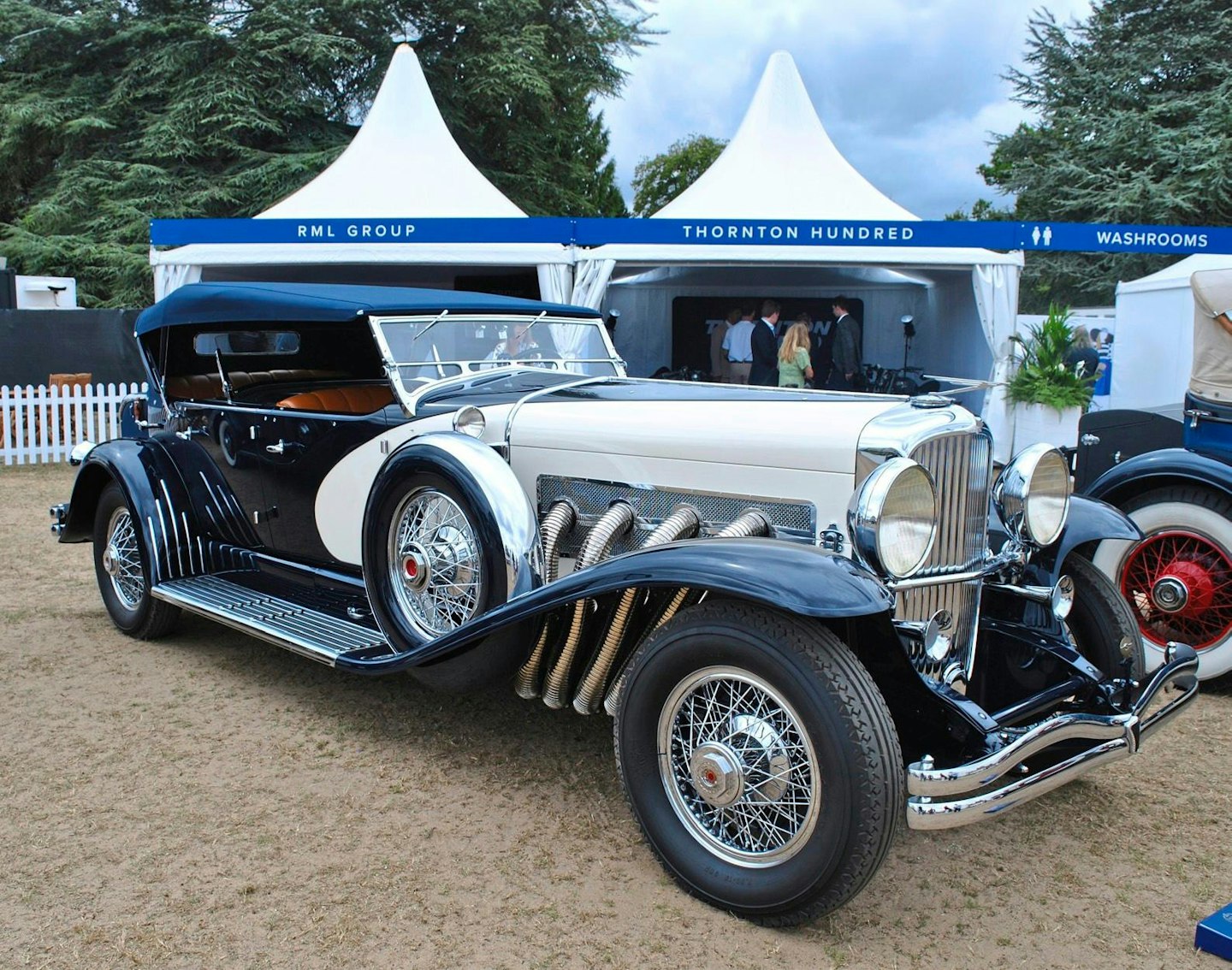
This Pebble Beach class-winning Duesenberg was on show in the UK for the first time. 'It was bought when new in the Thirties by Ben Smith, who made $1m a month during the Wall Street Crash by shorting stocks - something of a villain,' said owner Donna Marki. 'But then a Mexican gentleman, Bruno Puglia, approached him for investment in a racetrack in Mexico City.
'Smith later wanted out of the deal, so he drove this Duesenberg to Mexico City, and said, "Make me an offer," to which Puglia replied, "I want the car." It stayed in Mexico. Puglia was married to a movie star, and knew Cary Grant, so it gained a high profile, known as the Mexico City SSJ. It was later sold to a used car salesman.
'Collector Arturo Keller wanted to buy it as a young man, so got the money together, went all the way to Mexico City and presented it to the salesman, only to learn the price had gone up!
'It was restored in New Jersey last year, although it retains its original engine and body. It's one of just three Le Grand SSJ Dual Cowl Phaetons - out of 30 SSJs produced in total - and one of a tiny number to have its supercharger fitted to its seven-litre dohc straight-eight at factory build stage.
'It featured markedly better brakes than most cars in the US at the time. As a result, the brake light lenses spell out "STOP" in a beautiful art deco font when they light up.'
Alfa Romeo 8C 2300 Monza
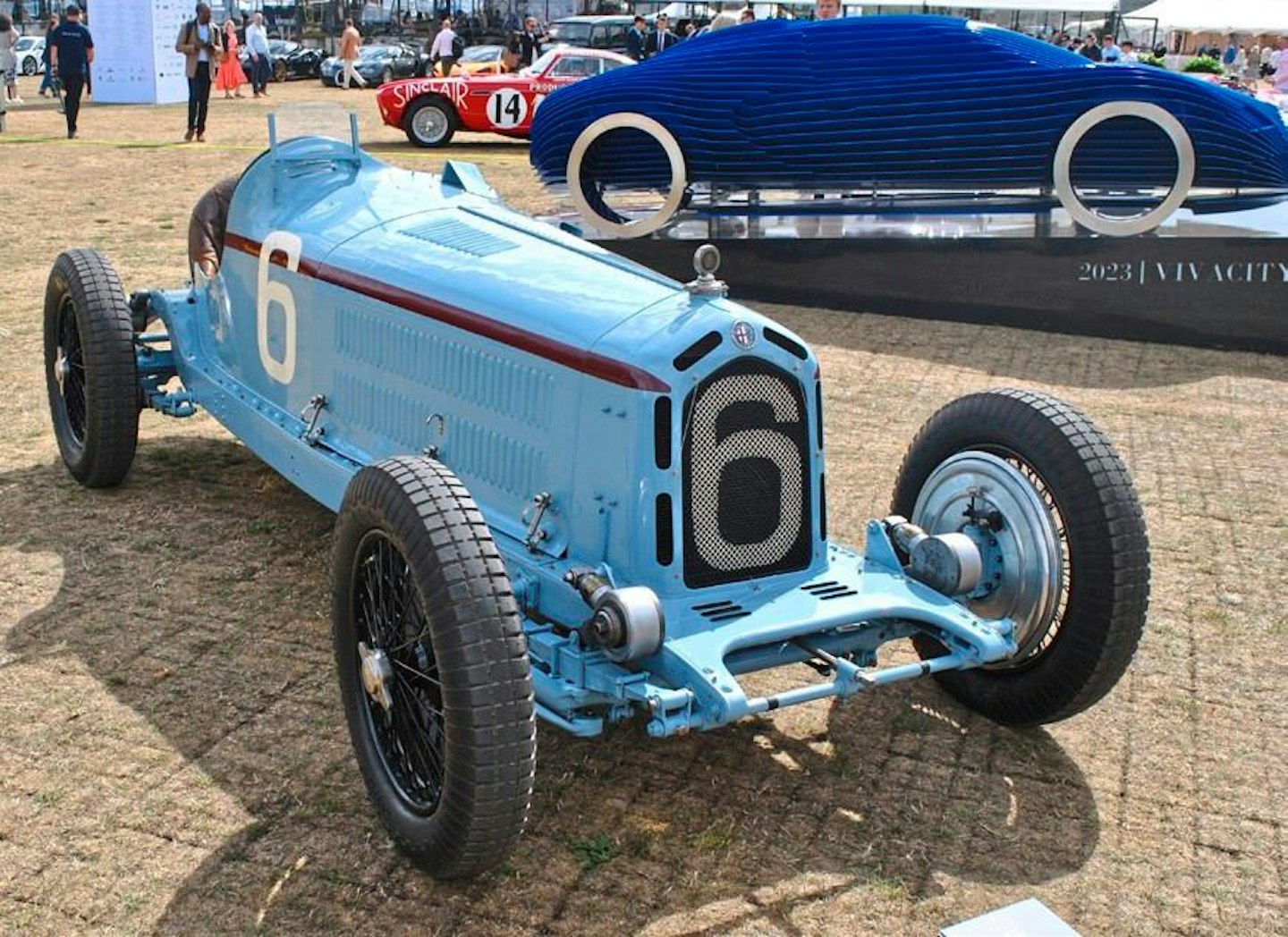
'It's the first time this car has been shown like this,' said the Auriga Collection's Vincent Kolb of this Touring-styled Grand Prix Alfa Romeo. 'It was originally raced by Jean-Pierre Wimille in 1933, which explains the French Racing Blue paint. 'Raymond Sommer then raced it from 19341936 in Europe, and then a Portuguese racer took it to Brazil. The car returned to the UK sometime during the Eighties.
'Wimille finished second at Reims and Comminges, and third at Brno. When it returned to the UK, Colin Crabbe effectively rescued it but restored it as a road car, with fenders that were finished in red. It raced like this, but retained its original central bodywork, interior and instrument panel. But the restoration had to include the return of De Ram dampers, which were unique to Wimille's Alfa.'
Hispano-Suiza J12 Sport Torpedo
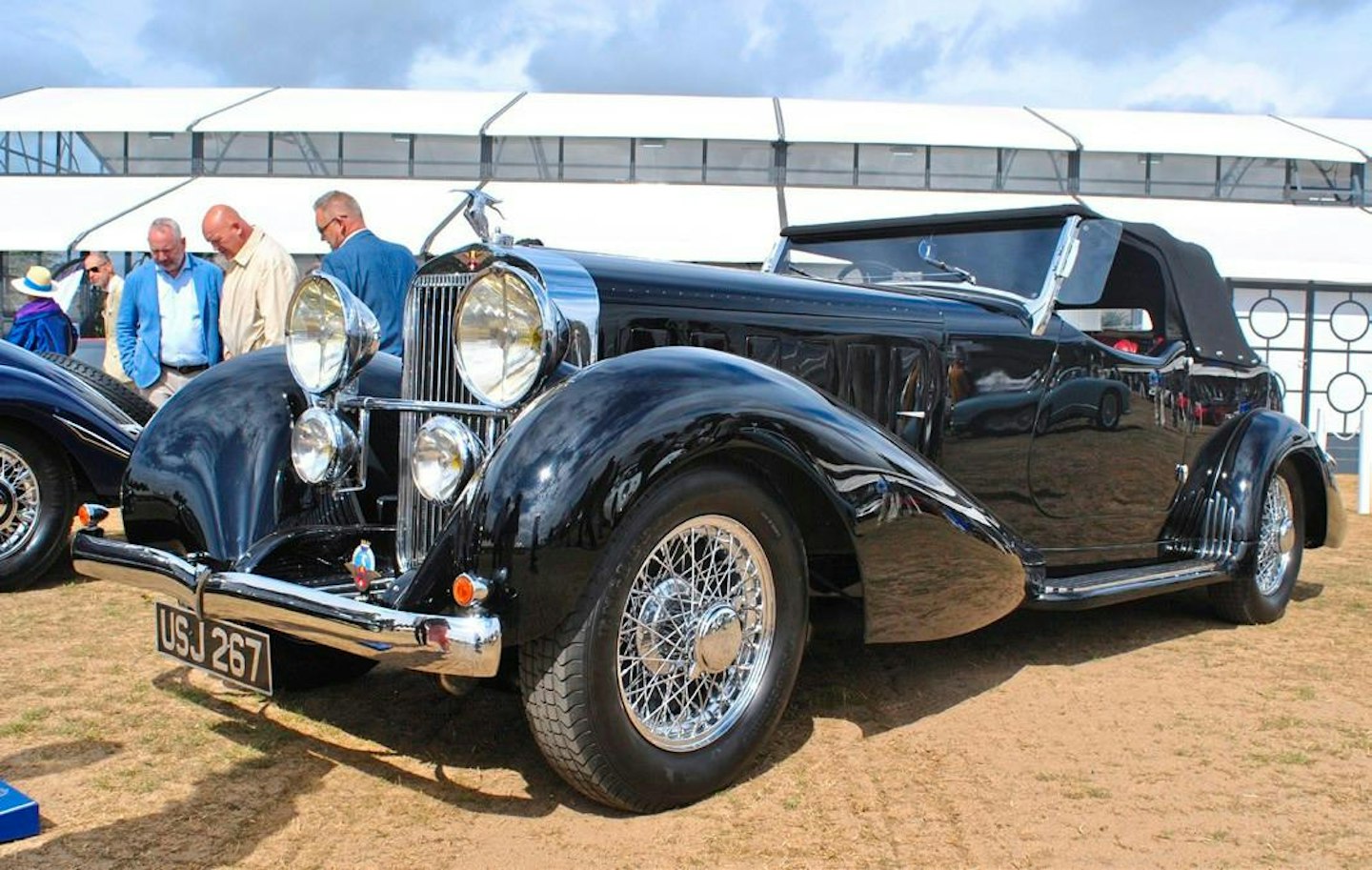
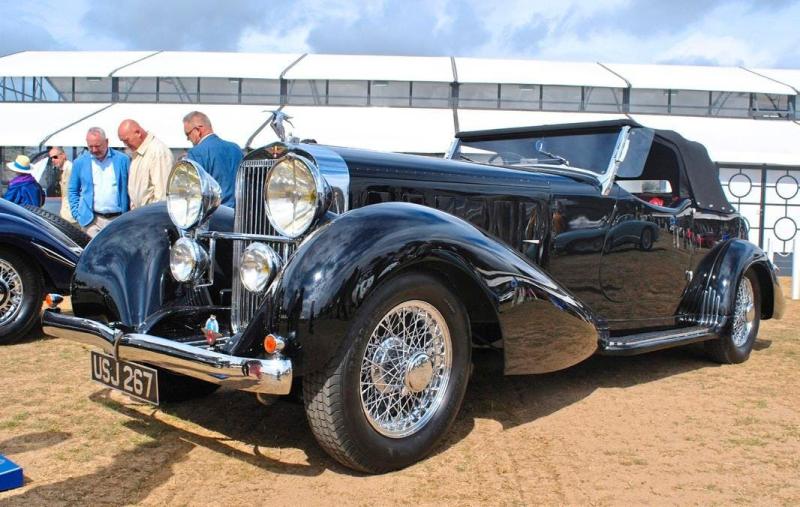
This was another Pebble Beach class winner making its British concours debut. One of eight short-chassis J12s, chassis 14001 was originally owned by Prince Poniatowski, who handled public relations for Hispano-Suiza. It was originally bodied by Van Vooren, but Poniatowski returned it to the factory for test and development duties.
The Michelin T68 Railcar-derived V12 engine was upgraded from 9.4 to 11.3 litres, and its Van Vooren coachwork aft of the bulkhead was removed and fitted to J12 chassis 14015. The bodyless car was used as a factory development vehicle throughout 1933, before being sold to Parisian Jacques Violet in 1934. In 1937, Violet sold the car back to Poniatowski, who had the rear coachwork replaced in Sport Torpedo style by Labourdette, kept the Van Vooren front end, and added front wings created by Hispano itself.
Rolls-Royce Silver Wraith
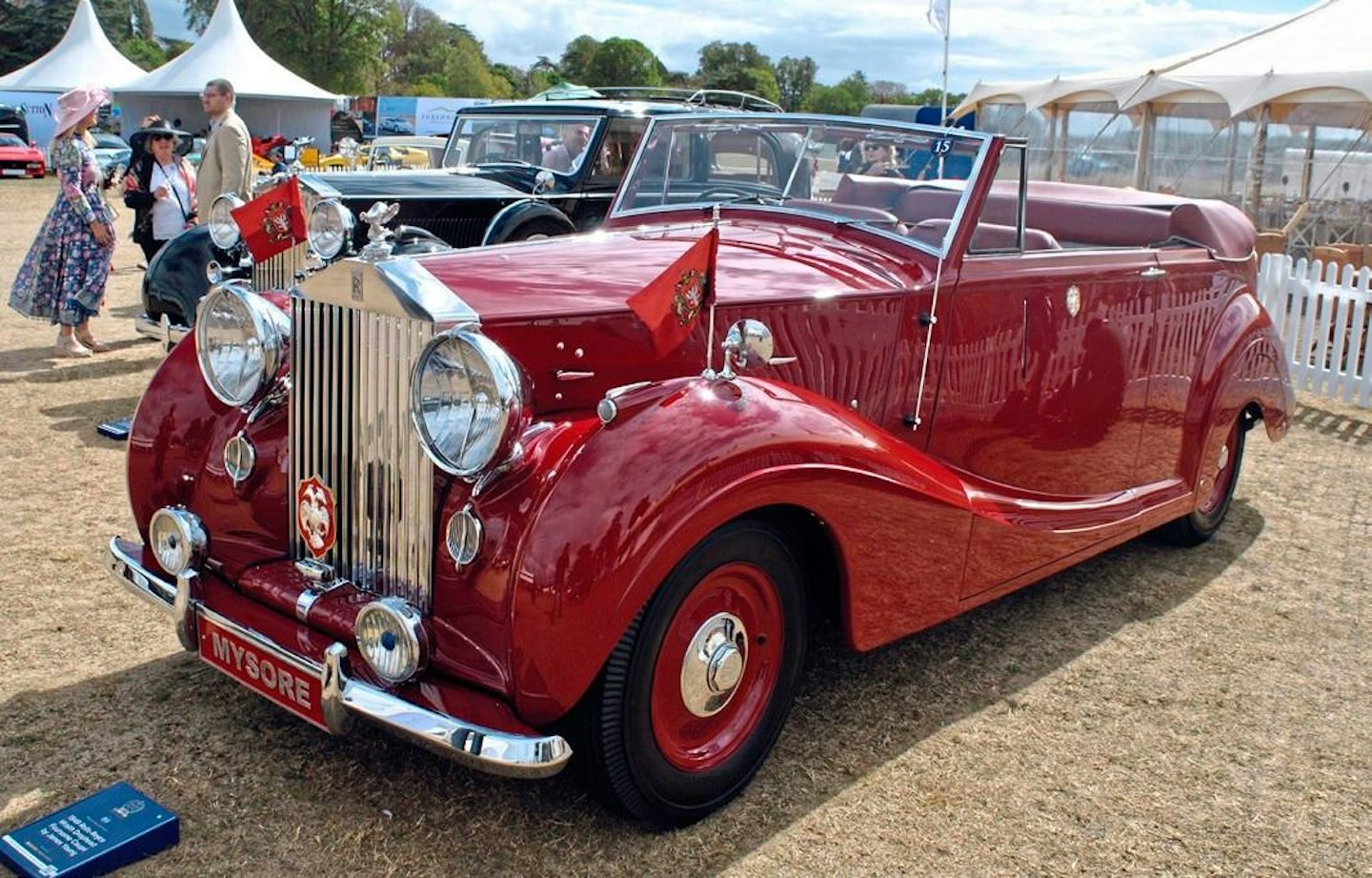
Shown outside of India for the first time, this 1949 James Young-bodied Rolls-Royce was originally built for the Maharajah of Mysore. Although four coachbuilders - Young, Mulliner, Nutting and Hooper - had to collaborate on its design, to make sure it followed the style of the Maharajah's existing cars, a technique known as "doing a Mysore", in the Rolls-Royce factory,' said Mohammed Luqman Ali Khan, looking after the car for its owner, Yohan Poonawalla.
'This car has over 20kg of solid fitted silverware in it. There are solid silver crests on the doors, fine bone china plates, cups and saucers in the fitted dinner service, and even a secret safe in the boot for the Maharani's jewellery.'
No politics, no religion, no instagrams, and commentary must be civil. The ToS and the CoC will be enforced, and anything that the administrator deems to be offensive will be deleted. YouTubes, videos and images that the administrator is unable to open must be described and explained or they will be deleted.

Tags
Who is online
84 visitors
I guess you could say that this is an "Eye Candy" article.
all but one have some impressive headlights
Yeah, I guess the Monza doesn't race at night.