
The History of Food Trucks: From Chuck Wagons to a Modern Culinary Movement

By: Chef Roy Choi (Optima)


 S E E D E D C O N T E N T
The History of Food Trucks: From Chuck Wagons to a Modern Culinary Movement
Food trucks have evolved far beyond convenient dining options to become a cultural staple that blends culinary innovation with mobility.

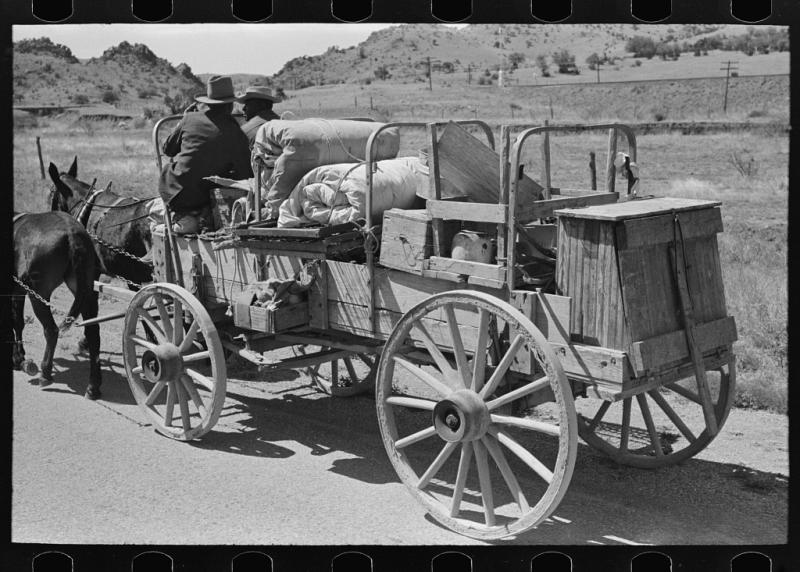
Chuck and bedroll wagon of the tank gang on the highway. Near Marfa, Texas. Credit: Russell Lee, Farm Security Administration - Office of War Information Photograph Collection (Library of Congress).
At Optima®, we're always searching for the history of current trends that reflect dimensions of the holistic lifestyles we foster in our communities. Today, we're taking a look into the history of food trucks , since they have evolved far beyond convenient dining options to become a cultural staple that blends culinary innovation with mobility. From their humble beginnings as "chuck wagons" feeding cowboys on the American frontier to their current status as gourmet culinary hubs, food trucks have continued to adapt to the needs and tastes of the neighborhoods they serve.
The Birth of the Food Truck: Chuck Wagons and Canteen Trucks
The origins of food trucks date back to the late 1800s with the invention of the chuck wagon. In 1866, Charles Goodnight, a Texas cattle rancher, created the first mobile food service by converting a durable wagon into a kitchen on wheels to feed cowboys on cattle drives. Stocked with staples like beans, salted meats, coffee, and biscuits, these chuck wagons were critical for sustaining workers through long days on the trail.
As America became more industrialized, urban areas saw the rise of "canteen trucks," which served factory and construction workers. By the 1920s and 1930s, these mobile eateries provided sandwiches, coffee, and simple meals to blue-collar laborers, ensuring access to food where dining options were scarce. This industrial expansion set the stage for the next evolution in food truck history.

Tourists Find Refreshment at the Public Beach Pier. Photographer: Schulke, Flip, 1930-2008. Public domain.
The Rise of Modern Food Trucks: Ice Cream and "Roach Coaches"
The mid-20th century saw two notable developments in the food truck industry. Ice cream trucks became a beloved symbol of American summer in the 1950s, offering children and families an iconic melody to announce their sweet treats' arrival. Around the same time, the less-favorable "roach coaches" appeared, offering inexpensive and often low-quality meals outside construction sites. While the latter gained a bad reputation, these trucks nonetheless catered to a significant workforce, solidifying the importance of mobile dining.
The Gourmet Revolution: 2000s and Beyond
It wasn't until the late 2000s that food trucks received a culinary facelift, transforming from utilitarian meals on wheels to gourmet experiences. This change was largely pioneered by Chef Roy Choi, who launched the now-famous Kogi BBQ truck in Los Angeles in 2008. Choi's innovative Korean-Mexican fusion dishes attracted massive crowds, and his use of social media to advertise the truck's location became a game-changer for the industry. Soon after, food trucks began to flourish across major U.S. cities, including Chicago and Scottsdale.
In Chicago, the food truck scene has exploded, with trucks like The Fat Shallot, The Happy Lobster Truck, and Yum Dum providing diverse and inventive offerings. The food truck culture in Chicago is now an integral part of the city's food scene, and many trucks can be found near high-traffic areas, festivals, and even office buildings. According to Roaming Hunger , Chicago's food truck market thrives on unique menus that serve everything from gourmet sandwiches to artisanal ice cream .
Scottsdale, known for its growing culinary scene, has also embraced the food truck trend. The warm weather and scenic outdoor spaces make it the perfect backdrop for food trucks to flourish — including in our own Optima Sonoran Village® community, where we host Food Truck Tuesdays every week. Scottsdale has a wide variety of food trucks offering gourmet eats, including everything from specialty tacos to craft burgers. Popular trucks in the area, such as Random AF Taqueria and Que Chevere, showcase the diverse range of mobile food offerings available in the city .

Chicago Food Truck Festival, South Loop, 2024. Credit: Facebook.
Food Trucks Today: A Fusion of Convenience and Creativity
The modern food truck movement has cemented its place in urban life, offering everything from quick, convenient meals to gourmet experiences on par with brick-and-mortar restaurants. Their flexibility and lower overhead costs allow chefs and entrepreneurs to experiment with flavors and menu items without the financial risks of opening a traditional restaurant.
Moreover, food trucks offer an exciting way for communities to gather and experience different cultures through food. From food truck festivals to neighborhood gatherings, these mobile eateries bring people together, adding flavor to city life while supporting local businesses.
A Vital Part of Urban Culture
Whether you're in Chicago's bustling downtown or the scenic streets of Scottsdale, food trucks offer more than just a meal. They represent creativity, innovation, and community. As cities continue to evolve and adapt, the food truck industry will undoubtedly grow with it, offering new culinary experiences that reflect the diversity and vibrancy of urban life.
Food trucks are no longer just a convenient option for a quick bite; they are a vital part of the culinary landscape in cities across the United States. Their ability to bring unique, high-quality food to the streets ensures that they will remain a cherished part of American culture for years to come.
No politics, no religion, no instagrams, and commentary must be civil. The ToS and the CoC will be enforced, and anything that the administrator deems to be offensive will be deleted. YouTubes, videos and images that the administrator is unable to open must be described and explained or they will be deleted.

Tags
Who is online
68 visitors
It was about a two-hour drive from our home in Toronto to our lakeside cottage in the Haliburton HIghlands of Ontario, and when we were getting close to the cottage we would stop at a "chip truck", a food truck parked off the highway and get a hot-dog and fries - and they were delicious.
There is a great movie about a food truck that travels from Florida to California called "Chef".
Food Trucks are great, but I really don't think the Chuck Wagon is the origin point of Food Trucks. The origin of Food Trucks isn't even American. They had Food Carts in ancient Rome, and they were located in pretty much the same places as food trucks and carts are today. They'd pick a busy spot and set up shop. Food Trucks are just Venders who sell food and road or path side Vending has to be one of the oldest forms of Business. I'm sure there were venders selling food in ancient Egypt, ancient China, and anywhere else where a thousand or so people passed by or congregated daily.
You're right - thanks for that info. Although street food is common in China, I've only seen trucks that sell fruits or veggies, but not prepared foods.
The taco truck here has the best tacos in town.
Although various ethnic foods are available in China, I've never seen Mexican food here. Interestingly, long ago my first law partner and I opened a Mexican food takeout restaurant in Toronto, but it didn't last too long. Eventually Mexican food became a little more popular in Toronto.