
10 Famous Classic Ships in History (Iconic Vessels & Stories)

By: updated by Elaine Lembo. (Rightboat)


 S E E D E D C O N T E N T
10 Famous Classic Ships in History (Iconic Vessels & Stories)...
"You must have plenty of sea-room to tell the truth in." (Herman Melville)
Here are ten of the most famous ships in history, including iconic classic vessels that shaped exploration, warfare, and global trade.
Updated for 2026 with expanded historical context, famous ship names, and additional images.
Every ship that sails carries the precious and weightless cargo of its origins. More the people aboard, more are the stories and many more are the lessons we learn from their experiences. Because that's what history does: It informs us about all the victories and failures of the past, so that we live a wiser life, whether on land or at sea.
Most of the beautiful craft built throughout the ages are historic for their roles in war, commerce, and passenger travel. Their stories allow us to enjoy, investigate and study their brilliant past. Each failure was a stepping stone to success for the next craft and each one is a classic in its own way. Taking in the sight and story of a classic vessel entails an adventure all its own, one that transcends basic description and narration and which puts an indelible image into the minds and imagination of the onlooker.
Timeless vessels are attractive, beautiful and in a few cases still functional; they hold untold mysteries and are an amalgam of maritime secrets and old-world workmanship.
Famous Ships in History and Their Legacy
Famous ships earn their place in history through extraordinary voyages, technological breakthroughs, military impact, or cultural significance. Many of the world's most famous ships are also classic or old sailing vessels that changed how people explored oceans, fought wars, and connected continents. From wooden caravels and clippers to steel battleships and ocean liners, these iconic ships continue to influence maritime design and inspire generations.
Here are the most famous ships of all time. There are many more, but these stand out for their unique and enduring place in history.
Famous Ships by Era
| Ship | Era | Type | Why It's Famous |
|---|---|---|---|
| Santa Maria | 15th century | Sailing ship | Columbus' voyage |
| Mayflower | 17th century | Sailing ship | Pilgrim migration |
| HMS Victory | 18th century | Warship | Battle of Trafalgar |
| Titanic | 20th century | Ocean liner | Maritime tragedy |
| Bismarck | 20th century | Battleship | WWII naval warfare |
What Makes a Ship Famous?
Ships become famous for many reasons, including historic voyages, military significance, technological breakthroughs, or tragic events. Many famous ships are also old sailing ships or ancient vessels that played a key role in exploration, warfare, or trade. From wooden caravels and clipper ships to steel battleships and ocean liners, these iconic vessels shaped maritime history and continue to capture the imagination today.
Santa Maria
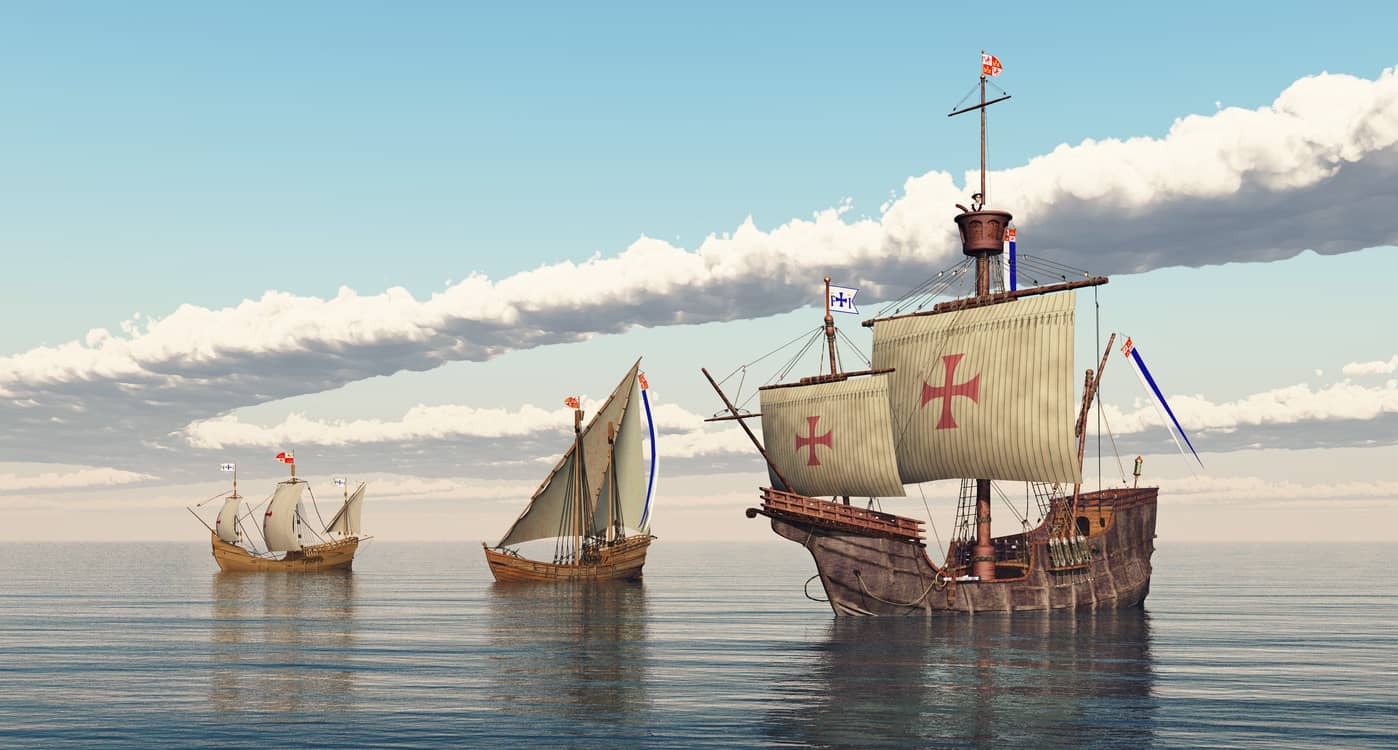
Launch year: 1460
Builder: Juan de la Cosa
Length: 62 ft (24 m)
"You can never cross the ocean unless you have the courage to lose sight of the shore," said the Italian explorer Christopher Columbus, who sailed in the carvel planked, slow paced ocean trader built in Spain on the voyage to the "New World" in 1492. That year, the merchant vessel earned a permanent place in history and ran aground on Christmas Day. But not all was lost; Columbus ordered the fort La Navidad built with wood salvaged from Santa Maria .
Why it's famous: Santa Maria is one of the most famous ships in history for carrying Christopher Columbus on his 1492 voyage to the Americas, marking a turning point in global exploration.
Mayflower

Encyclopedia Britanica photo
Launch year: 1607
Builder: Christopher Jones
Length: 90 ft (33 m)
The ones who trust the magic of beginnings are the ones who have the courage to put a full stop to their suffering. And that was how 120 Pilgrims set out to start afresh in the New World in 1620, wishing for a better life. A cultural icon in the history of the United States, the Mayflower carried the English Separatists from Plymouth, a port on the southern coast of England, to the other side of the Atlantic, to Massachusetts, their "New World." The Mayflower crew of 30 spent the winter with the 102 passengers, living aboard, then sailed back to England on April 5, 1621, making landfall on May 6, 1621.
Why it's famous: Mayflower became one of the most famous ships in history for transporting the Pilgrims to North America in 1620, playing a key role in the founding of early American colonies.
HMS Victory
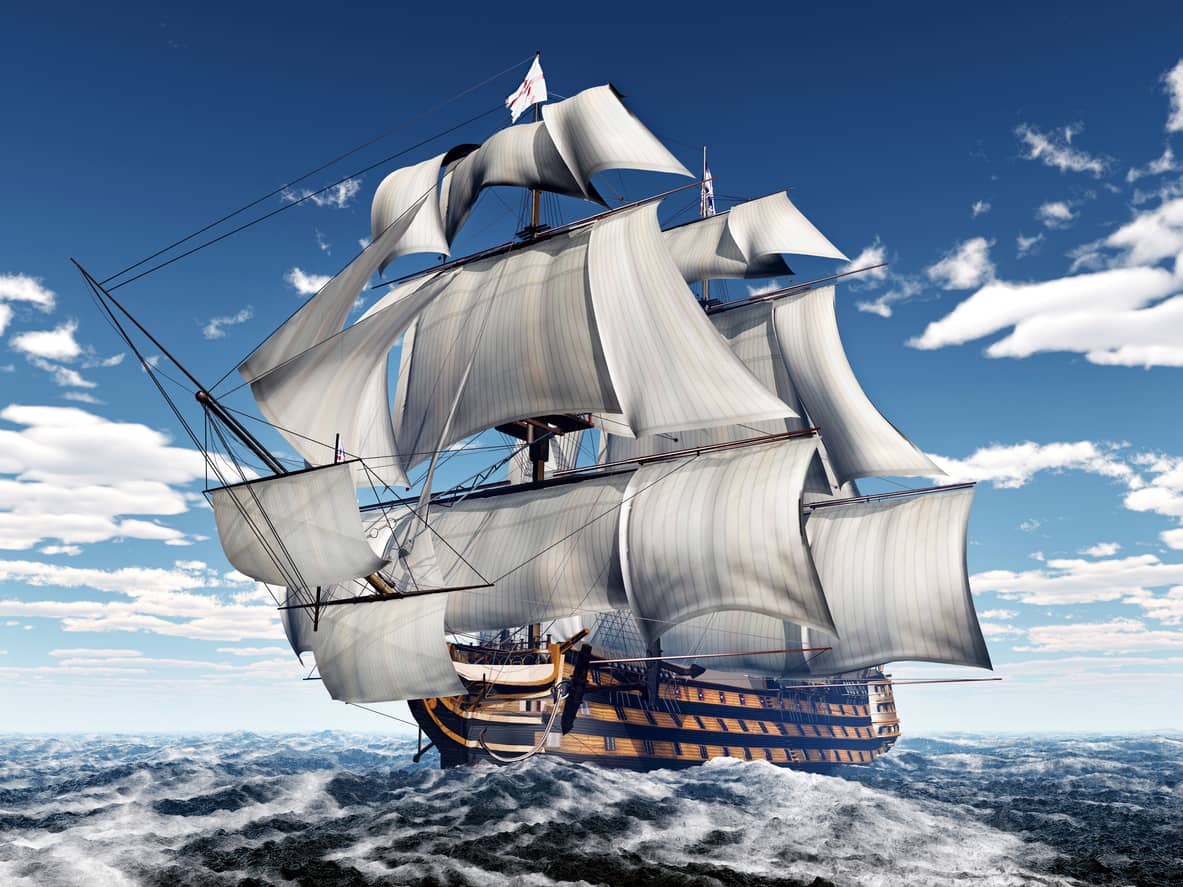
Launch year: 1765
Builder: Chatham Dockyard
Length: 227.5 ft (57 m)
The HMS Victory is regarded as one of the greatest wooden warships ever built, serving the Royal Navy against both French and Spanish fleets in the last decades of the eighteenth century. It remains commissioned by the Royal Navy today. She is best known for her role as Lord Nelson's flagship at the Battle of Trafalgar on October 21, 1805, where her flags gave his famous signal, "England expects that every man will do his duty." The ship was extensively restored by the British government in 1922 and serves as a museum at the Portsmouth Historic Dockyard in Portsmouth, England.
Why it's famous: HMS Victory is famous as Admiral Lord Nelson's flagship at the Battle of Trafalgar in 1805 and remains the oldest commissioned warship still afloat.
USS Constitution
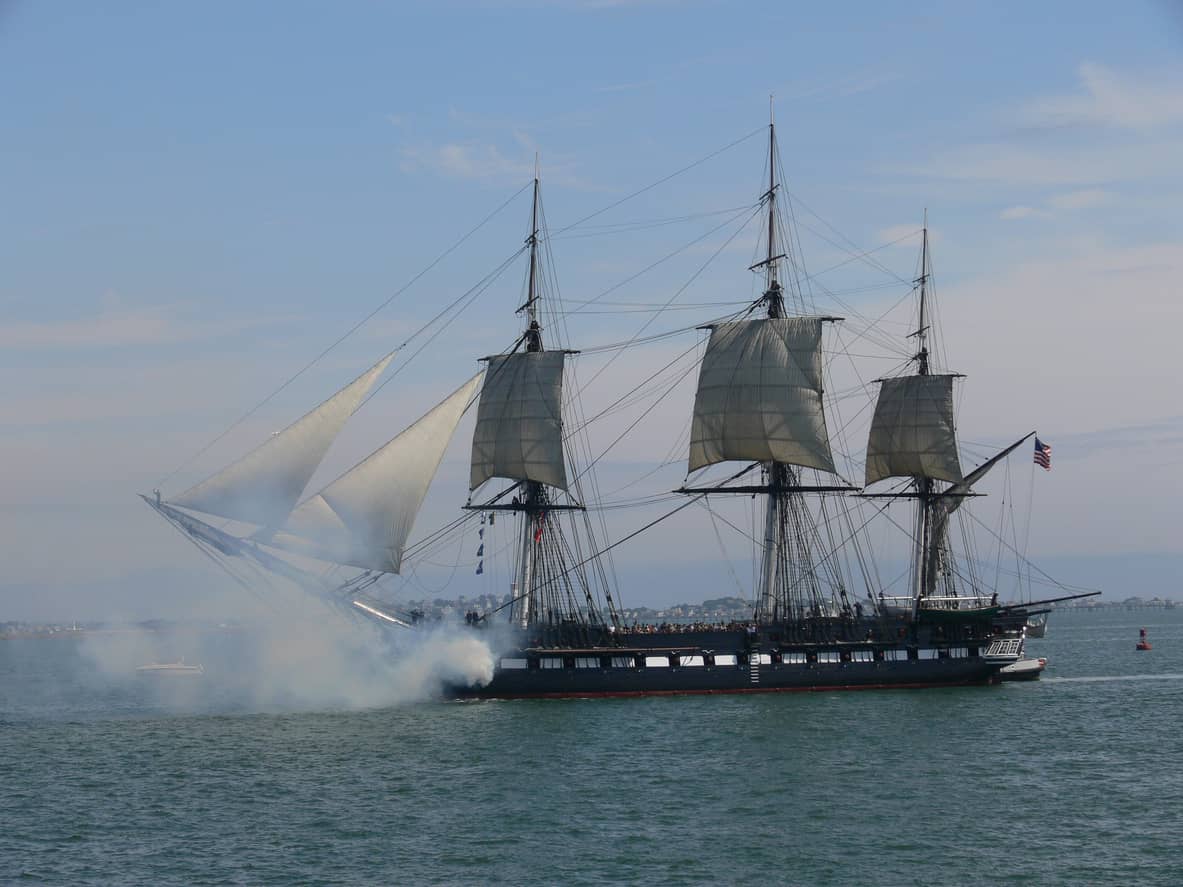
Launch year: 1797
Builder: Edmund Hartt's shipyard, Boston
Length: 304 ft (93 m)
"Old Ironsides," a three-masted wooden frigate, is the longest serving battleship in the U.S. Navy and the world's oldest commissioned naval vessel. Her name was submitted to President George Washington in honor of the United States Constitution. The main duties of the USS Constitution were to protect American merchant ships against French fleets and to fight Barbary pirates.
Her major claim to fame is her role during the War of 1812, when she managed to capture several merchant ships and defeated five British warships. The fame and nickname earned after defeating HMS Guerriere — Old Ironsides — helped save her from the scrap heap. Today, Old Ironsides serves as a museum ship in Boston, Massachusetts.
Why it's famous: USS Constitution earned worldwide fame during the War of 1812, where its victories over British warships earned it the nickname "Old Ironsides."
HMS Beagle
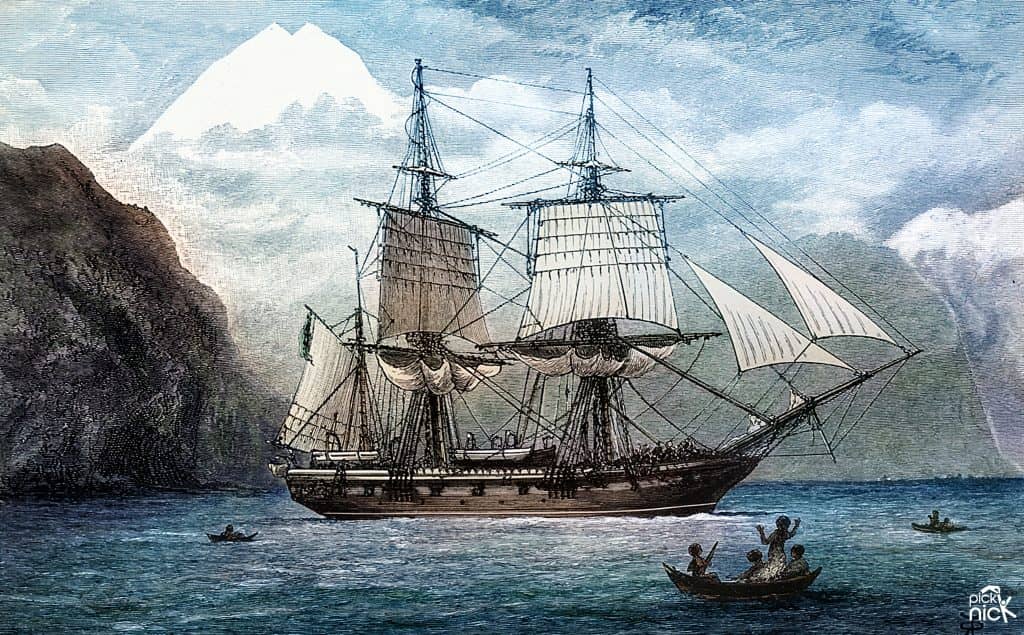
Restoration Services photo.
Launch year: 1820
Builder: H.M. Dockyard
Length: 90.3 ft (28 m)
According to Charles Darwin, "It's not the strongest species that survive, nor the most intelligent, but the one that is most responsive to change." He set out on a voyage aboard the HMS Beagle , the British naval brig-sloop, to South America and around the world (1831-36), which resulted in his groundbreaking scientific theories on evolution and natural selection published in the diary and journal The Voyage of the Beagle.
Why it's famous: HMS Beagle is famous for carrying Charles Darwin on the voyage that led to his theory of evolution, changing science forever.
Flying Cloud

No Frills Sailing photo.
Launch year: 1851
Builder: Donald McKay, East Boston, Massachusetts
Length: 225 ft (69 m)
Never wait for a perfect moment; take the moment and make it perfect. That's what Eleanor Creesy, wife of Capt. Josiah Perkins Creesy, did aboard Flying Cloud , the clipper ship that set the world sailing record for the fastest passage between New York and San Francisco in 89 days and 8 hours. Eleanor was the ship's navigator, a position never heard of for a woman in the mid-19th century. The ship held this record for over 100 years, from 1854 to 1989.
Why it's famous: Flying Cloud became famous for setting the fastest sailing record between New York and San Francisco, a feat that stood for more than a century.
RMS Lusitania
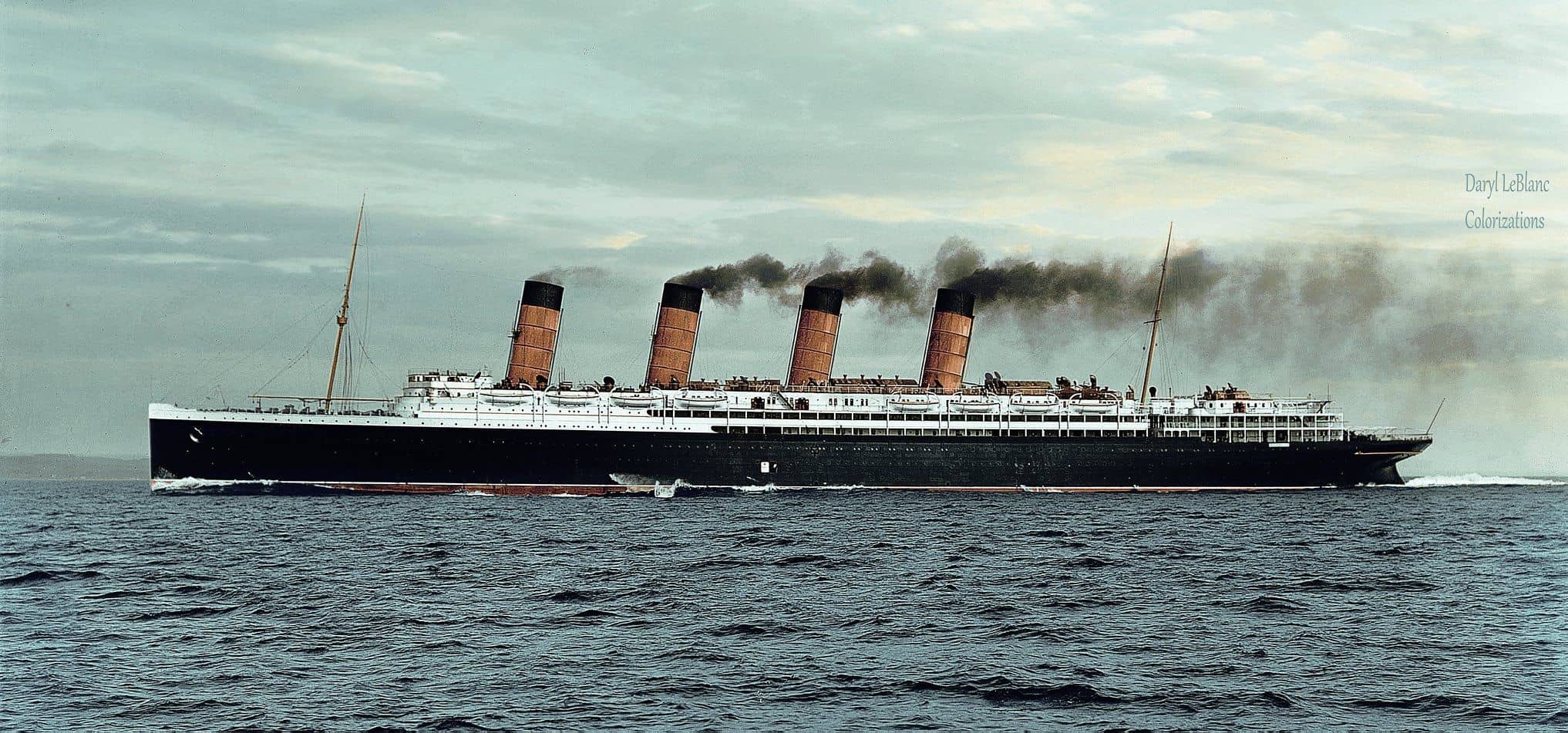
Pinterest photo.
Launch year: 1906
Builder: John Brown & Co, Clydebank, Scotland
Length: 787 ft (240 m)
The sinking of the British ocean liner Lusitania by the torpedo of a German U boat in 1915 was one of the deadliest maritime disasters in history, killing more than half the passengers and crew. Ultimately it led to the American entry into World War I. Commissioned by the Cunard Line, the ship had been built to compete for the highly lucrative transatlantic passenger trade. Although luxurious, the Lusitania was noted more for its speed. In 1908, it won the Blue Riband designation for the fastest Atlantic crossing, averaging nearly 24 knots.
Why it's famous: RMS Lusitania is famous for its sinking by a German U-boat in 1915, an event that helped push the United States toward entering World War I.
RMS Titanic
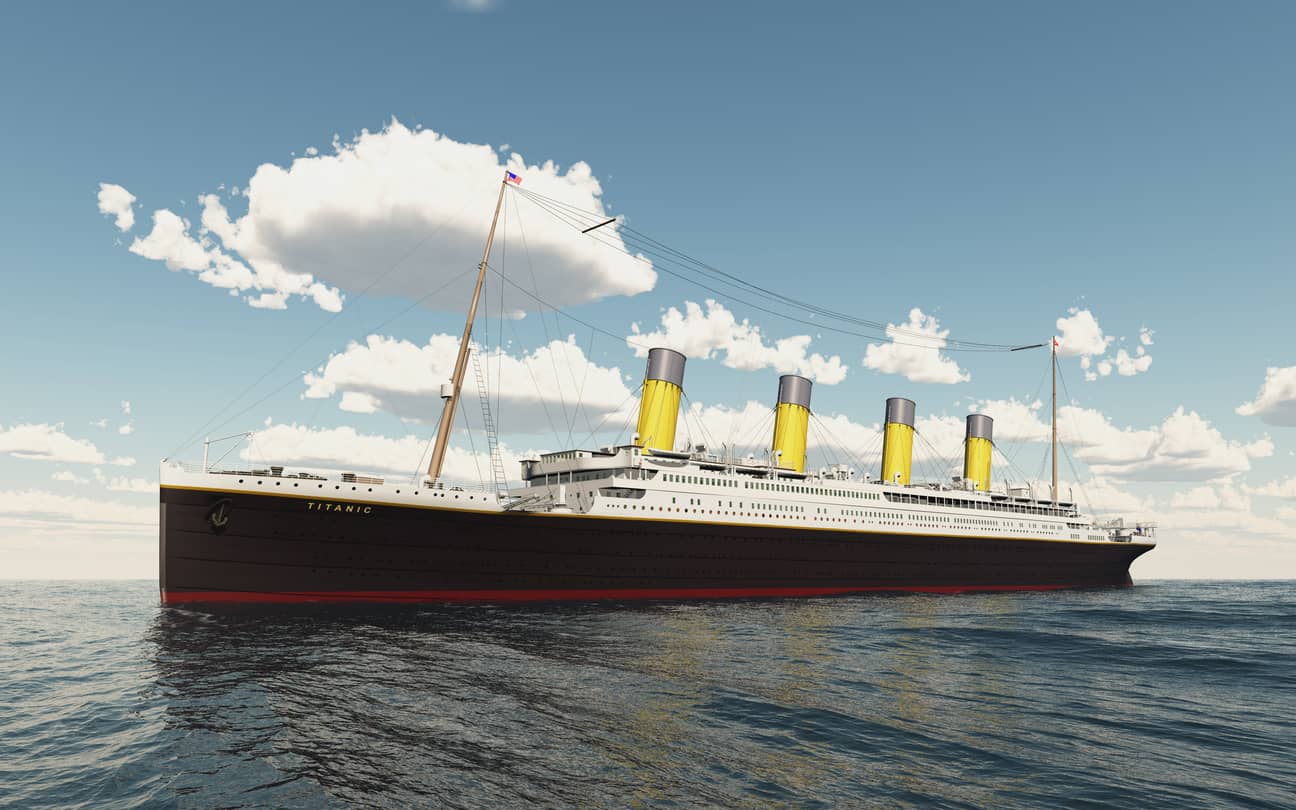
Launch year: 1911
Builder: Harland and Wolff shipyard for the British Shipping Company White Star Line
Length: 883 ft (269 m)
The unsinkable that became unforgettable: The RMS Titanic was the product of powerful strife among competitors in the first half of the 20th century. It sank in the early hours of April 15, 1912, off the coast of Newfoundland in the North Atlantic after sideswiping an iceberg during its maiden voyage. Of the 2,240 passengers and crew on board, more than 1,500 lost their lives. Designed to be the epitome of style, comfort, and luxury, it ranked among the most sophisticated ships of that time, only to become one of the most devastating maritime disasters in history.
The passengers aboard Titanic were some of the wealthiest people in the world. Also aboard were over a thousand emigrants from Britain, Ireland, and Scandinavia, seeking a new life in North America. In 1985, the wreckage was located on the floor of the North Atlantic. After this tragic accident, internationally adopted safety-improvement measures were established, including making the number of lifeboats on board correspond with the entire number of passengers.
Why it's famous: RMS Titanic is one of the most famous ships in history due to its tragic sinking in 1912, leading to major international maritime safety reforms.
USS Arizona

Wikipedia photo.
Launch year: 1915
Builder: Brooklyn Navy Yard, New York
Length: 608 ft (185 m)
"A date which will live in infamy" is how President Franklin D. Roosevelt described the Arizona attack, before he asked the U.S. Congress for a declaration of war with Japan.
The USS Arizona battleship was one of the U.S. Navy's most heavily armed vessels and the largest ship in its fleet. Arizona, a member of theU.S. Pacific fleet, was berthed at Pearl Harbor December 6, 1941. The next morning, approximately at 7:55 am, Japan launched a surprise attack. For nearly two hours, more than 350 Japanese aircraft dropped bombs on U.S. vessels. Around 8:10 am, Arizona was struck by a 1,760-pound projectile, which reportedly lifted the battleship out of the water. Even while sinking, the ship was struck by more bombs.
While approximately 334 crew members survived, the death toll was 1,177. Arizona was among four battleships that sank during the attack, which unified the American public, and on December 8, 1941, the United States declared war on Japan and effectively entered World War II. The ship couldn't be salvaged, but remains as a significant war memorial in Pearl Harbor run by the U.S. National Park Service, and visited by millions of people. The battleship's sunken remains are also designated a U.S. National Historic Landmark.
Why it's famous: USS Arizona became famous after its destruction during the attack on Pearl Harbor in 1941, symbolising the United States' entry into World War II.
Battleship Bismarck
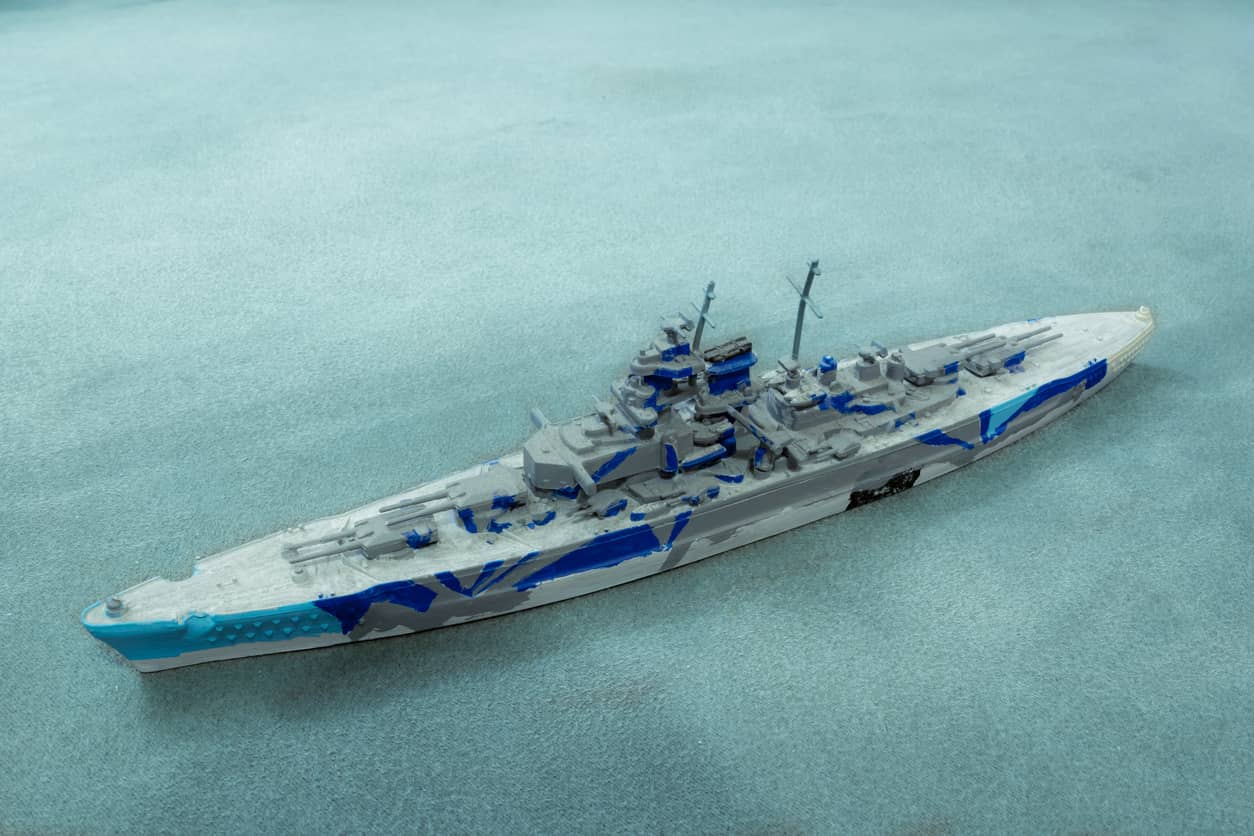
Launch year: 1939
Builder: Blohm & Voss shipyard, Hamburg
Length: 823.5 ft (251 m)
Bismarck , named after Chancellor Otto von Bismarck, was the first of two Bismarck-class battleships built for Nazi Germany's Kriegsmarine. It is considered one of the largest battleships ever built, with its design finalized by Hitler's Navy after it rose from the ruins of the World War I. It was almost the length of three football fields, with seven decks above the waterline and seven below it.
Its biggest and only fight was during World War II, along with the heavy cruiser Prinz Eugen , to raid Allied shipping from North America to Great Britain. Over eight tense days in 1941, after many attacks, Bismarck suffered enough damage from three hits sufficient to force an end to the mission. The dramatic battle left it crippled and it was scuttled to prevent the British from gaining control of it. In 1989, American oceanographer Robert Ballard of Titanic recovery repute located the wreck of the Bismarck perched on an extinct volcano 15,000 feet underwater some 400 miles west of Brest, France.
Why it's famous: Battleship Bismarck gained fame as one of the most powerful warships ever built and for its dramatic pursuit and sinking during World War II.
Famous Ships FAQs
Below are answers to some of the most common questions about famous ships, classic vessels, and their importance in maritime history.
What is the most famous ship in history?
The Titanic is widely considered the most famous ship in history due to its tragic sinking in 1912 and its lasting cultural and historical impact.
What are the oldest famous ships?
Some of the oldest famous ships include Santa Maria, HMS Victory, and other early sailing vessels used for exploration and naval warfare.
Are any famous ships still afloat today?
Yes, ships such as HMS Victory and USS Constitution are preserved as museum ships and remain historically significant.
Why are old sailing ships important in history?
Old sailing ships enabled global exploration, trade routes, scientific discovery, and naval dominance, shaping modern civilisation.
Many of the world's most famous classic ships have inspired modern yacht design, traditional sailing vessels, and restored historic boats. Exploring classic boats and yachts for sale offers a glimpse into the craftsmanship and heritage that shaped maritime history.
This article was originally published in May 2023 and updated for 2026 in December 2025 by Elaine Lembo.
No politics, no religion, no instagrams, and commentary must be civil. The ToS and the CoC will be enforced, and anything that the administrator deems to be offensive will be deleted. YouTubes, videos and images that the administrator is unable to open must be described and explained or they will be deleted.

Tags
Who is online
92 visitors
I guess I appreciate old sailing ships, perhaps because of the fact that my most famous painting of all time is "The Fighting Temeraire" by Joseph M W Turner.
When I was in London I spent about an hour in the National Gallery looking at the original painting, knowing I might never see that original again. It was voted by the British people to be their favourite painting as well.
Back to the article above, at least I have been on one of the 10 ships listed. One of the times I was in Boston I boarded the USS Constitution.
And by the way, this article is in keeping with the fact that I themed this weekend's Creative Arts Weekend article about boats.
There are many to add to that impressive list.
I admire those who sailed them as well.
Yes, in both reality and fiction.
Interesting article!
A while back I posted a similar one, but this one was so much better I had to post it.