Trump Repeats Nixon's Folly


This president isn’t the first to embrace a “trade war” to bolster his populist credentials—but in the end, it’s ordinary people who will bear its cost
President Trump just raised the price of cars, beer, vacations, and apartment rentals.
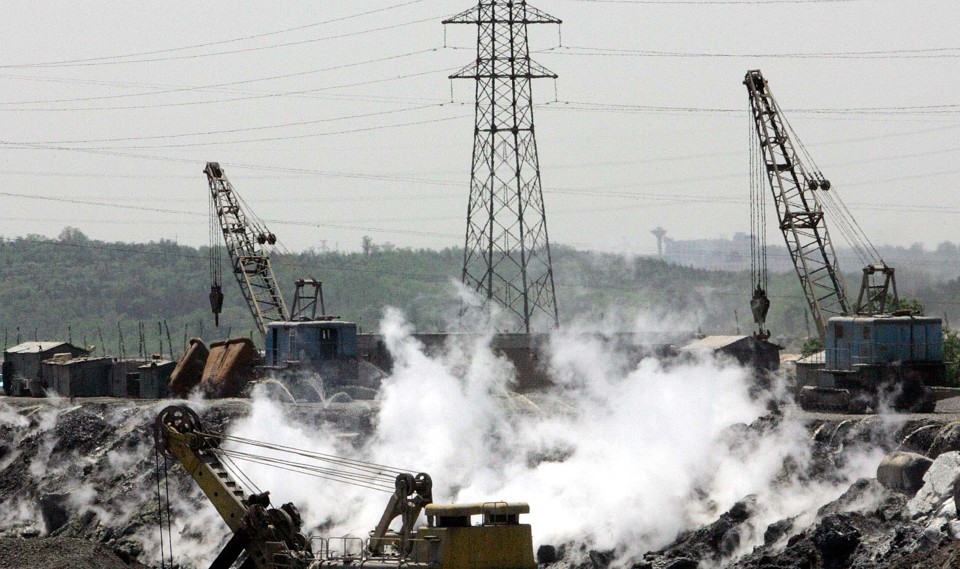
That’s not what most headlines say. Those headlines say that Trump will raise tariffs on steel and aluminum. Higher tariffs mean higher prices for those inputs—and therefore for the products ultimately made from those outputs. Automotive and construction top the largest users of steel in the United States. Aluminum is heavily used to make airplanes, cars and trucks, and beverage containers, and also in construction.
The last time the U.S. imposed steel tariffs, back in 2002, the project was abandoned after 20 months. A 2003 report commissioned by industries that consumed steel estimated that the Bush steel tariffs cost in excess of 200,000 jobs—or more than the total number of people then employed in the entire steel industry at the time.
Tags
Who is online
63 visitors
What did alarm the Department of Defense about proposed steel and aluminum tariffs was potential harm to vital U.S. alliances. China does not rank among the top 10 steel exporters to the United States. That list is topped by Canada, followed by Brazil. In third place is South Korea, an indispensable ally in the preemptive war the Trump administration is now contemplating against North Korea.
Canada also heads the list of aluminum exporters. For that reason, DoD pleaded for even more caution with regard to aluminum tariffs than steel. “[If] the Administration takes action on steel, DoD recommends waiting before taking further steps on aluminum.”
Donald Trump is often compared to Richard Nixon in his disdain for law and ethics. The parallel applies to economics too. Nixon in 1971 quit the Bretton Woods agreement and imposed a surtax on all imports. The “shock” disrupted the world economy and profoundly angered formerly trusting friends already uneasy over the war in Vietnam. But Nixon, who knew little and cared less about economics, had his eye fixed on one concern only: the 1972 election.