

 S E E D E D C O N T E N T


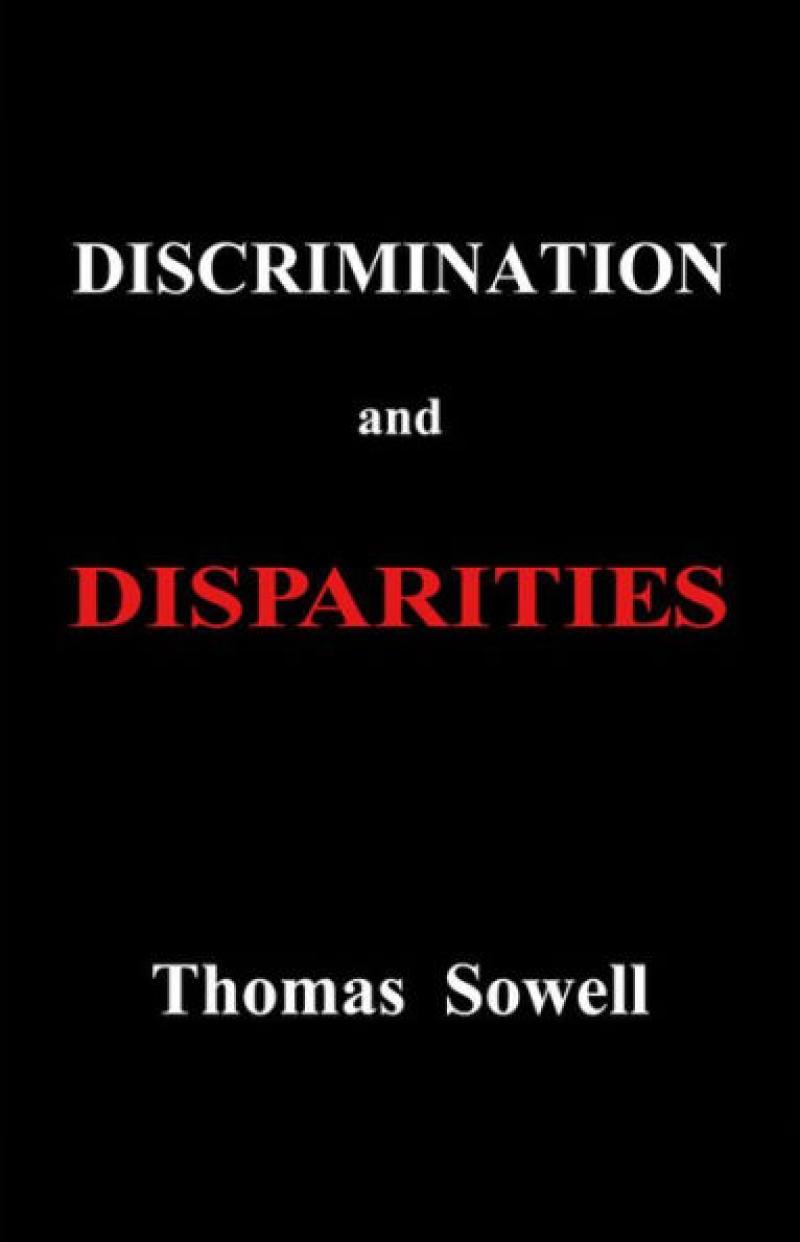
Not only does Sowell argue that neither of these explanations is sufficient, he also effectively shows that the truth does not lie in some simple combination of the two. In fact, the issue is vastly more complicated than merely finding which balance between these two competing ideas best tells us the truth about why outcomes are what they are.
First, Some Prerequisites
In a theme Sowell opens with and refers to throughout, he discusses how in any area or endeavor, success is the result of meeting multiple and myriad prerequisites. Lacking even one of these, even if others are in abundance, can prevent success.
This locates the causes of success closer to the individual than to the group. It also shows that there really is no reason we should assume that under equal situations racial groups will see equal outcomes, because there are no equal situations and cannot be.
Through portraying a litany of empires, peoples, and corporations that rose and fell throughout history, Sowell shows that shifting conditions in society and the economy make assigning the blame for failure extremely complicated. For example, studies have consistently shown that firstborn and only children are more successful than their younger siblings are.
As for Discrimination
Sowell certainly does not suggest that discrimination doesn’t exist, but he does break it down into two essential categories. The first is discrimination that is based on evidence and can be positive, such as “a person of discriminating taste.” The second is discrimination based on animosity towards a group. Importantly, Sowell divides the first form into two groups. The first takes no notice of race; the second takes race into account, but only based on accurate information.
Sowell is essentially rejecting the progressive premise that there is no difference between racism based in hatred and racism based in accepting racist systems and disparate outcomes. As it turns out, attempts to address evidence-based discrimination that seek to eliminate the discrimination itself can have bad outcomes, especially for those who are members of groups with more negative outcomes.
One example of this he gives is that progressives widely see criminal background checks for employment as racist. But in reality, employers that use background checks employ black workers at a higher rate. This is because without the checks blacks with clean records suffer from the fact that they belong to a group with a higher crime rate. Ideally, one could argue that employers shouldn’t take group tendencies into account, but until that happens, background checks are a solution that actually works.
With more than 30 pages of endnotes, Sowell’s book is brimming with empirical data and very light on invective. At times, Sowell’s arguments regarding how, for example, the free market undermined racist laws under Jim Crow and South African apartheid seem cold, far too calm for the subject matter. We have grown accustomed to such arguments being prefaced by some kind of expression that telegraphs, “Before I start talking about this evil thing in history, I just want to say how evil it was.” Sowell has no time for this. He seems to be saying, Of course Jim Crow was evil, but what can we learn from it?
Progressives are midwifing a new functional definition of racism. It no longer matches Sowell’s second form of discrimination, as based in animus towards a racial group. Instead it focuses on power dynamics, and makes racism against the dominant group all but impossible. Reading Sowell makes clear that this is a shift away from combating discrimination and towards combating disparity.
In this change, progressives’ anti-racist efforts have slipped deeply in Marxist territory. This is no longer a fight for equal opportunity, it’s a fight for equal outcomes, where nobody is ultimately responsible for his success or failure because, as a hot-shot new socialist superstar tells us, our ZIP code is our destiny. What Sowell shows instead is that targeted programs like charter schools, which have had tremendous outcomes, can help lift communities. But since these charter schools reinforce, rather than break down disparity in outcome between individual students, many on the Left reject them regardless of their clear benefits to racial minorities.
This book should be easily accessible even for high school students, and absolutely should be taught alongside any texts arguing that pernicious, racist power structures tell the story of disparate outcomes. At a time when political passions have softened the edges of crude yelling and screaming, elevating them to a needed indulgence, Sowell’s calm dispassion is a welcome island of reason and sanity.

'The point of Discrimination and Disparities is not to recommend some particular policy "fix" at the end, but to clarify why so many policy fixes have turned out to be counterproductive, and to expose some seemingly invincible fallacies--behind many counterproductive policies.'
"If you have always believed that everyone should play by the same rules and be judged by the same standards, that would have gotten you labeled a radical 60 years ago, a liberal 30 years ago and a racist today. "
Thomas Sowell
Sowell's a national treasure.
Always have liked his thinking ! More "Common Sense" like than not.