
Social media's impact: A comparison to tobacco


 S E E D E D C O N T E N T
Big Tobacco once looked unstoppable. It made billions by exploiting a quirk of human biology: our brains' craving for nicotine. With the help of advertising that cast cigarettes as glamorous, the industry hooked millions of people. By the 1960s, more than 40 percent of Americans smoked daily, and no amount of coughing or wheezing could slow the habit's growth.
Then the spell broke. Science exposed the danger, lawsuits unearthed the manipulation, and public opinion flipped. What had been stylish became shameful, and Big Tobacco's sales plunged.
Social media may be following a similar script. Its platforms have grown rich by exploiting another human trait — not a craving for nicotine but our ancient wiring for conflict and alarm. Evolution rewarded those who were alert to threats, and now we are drawn to outrage like moths to a flame. Like nicotine, rage triggers something we can't resist: dopamine. We are dopes for dopamine.
The platforms know this. Their algorithms, built to maximize "engagement," have learned that anger can be addictive. Gone are cat videos — in is rage-bait. The more inflamed we feel about the other side, the longer we scroll, the more ads we see, the more money they make. That's not a bug in the system; it is the system.
The harms of this are now impossible to ignore: wasted time, rising anxiety, loneliness, broken relationships, and a warped sense of reality. How can we know what's true if all we see is designed to enrage us without regard for truth?
Another harm is our distorted perception of one another. Clips curated to induce anger make us mistake caricatures for reality. Before social media's rise, fewer than one in five partisans regarded the other side as a serious threat. Today, that share has more than doubled, with many viewing opponents as not just wrong but dangerous. In 1994, Pew Research found that only 16 percent of Republicans and 17 percent of Democrats said they held "very unfavorable" views of the other party; by 2022, those numbers had climbed above 50 percent for both.
Instead of strengthening civic life, then, social media is splintering it. Yet we keep scrolling, damaging ourselves, caught in a cycle as compulsive as a cigarette break.
The parallels go deeper than addiction to dopamine. Both industries thrived for years before the damage became undeniable. And in both cases, our popular culture was complicit. Just as we once glamorized smoking in movies and ads, we now glorify "going viral," even when doing so chips away at our institutions.
If history is a guide, the turning point won't be a new law or a tech fix. It will be a cultural awakening. Smoking's decline followed not from a single regulation but from a collective shift in perception: the dawning realization that we had been duped. Lighting up no longer felt sophisticated; it felt foolish.
The same fate may await social media. Once we grasp that we're being played — that our manufactured anger is a commodity traded for profit — endless doom-scrolling may come to feel as embarrassing as lighting up on an airplane. What are we doing with our lives? We sometimes lose hours at a time, and are no better off for it. Choosing to stay off our phones could become not a sign of being out of touch, but a mark of wisdom.
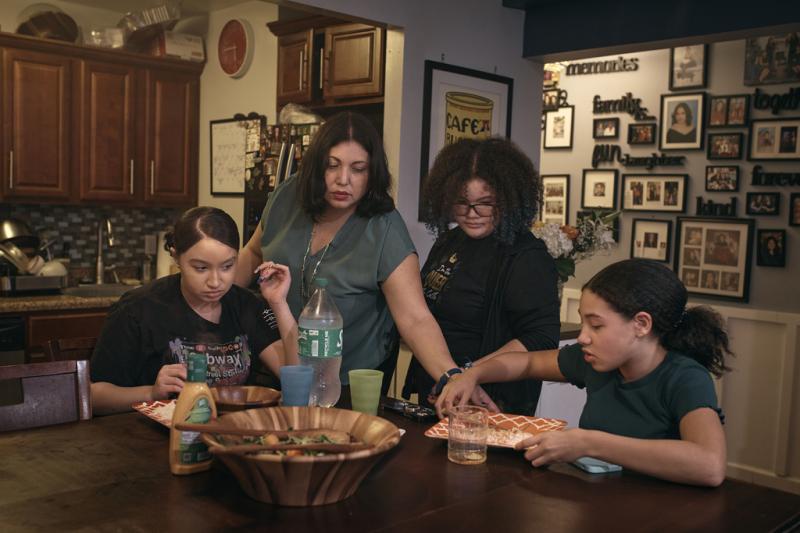
That change could come sooner than we think. There are already signs: families removing phones from the dinner table, laws banning devices from classrooms, and young users' growing resentment of social media. In one recent Harris Poll, about four in ten Gen Z adults said they wish social media had never been invented, while a U.K. survey found almost 70 percent of teens say social media makes them feel worse about themselves. The cultural tide may be shifting.
Without a shift, the stakes could be just as high as tobacco's, if not higher. The decline of smoking saved millions of lives. A similar decline in our willingness to fall for social media's tricks could save something harder to measure: our shared sense of reality and the trust that makes civic life possible.
Big Tobacco fell when society refused to be fooled any longer. Social media's business model may be just as vulnerable. The question is, how long it will take for us to say, "Enough! We won't get fooled again."

Tags
Who is online


137 visitors
Good luck with Truth Social and Trump hoping to manipulate and utilize Tik Tok. Trump is a media addict, good luck with Musk and X too. Trump is all in on social media, to the point of controlling free speech. Check his comments on taking away free speech just yesterday.
This site alone should be more than enough to convince you Trump doesn't "control free speech."
Say it isn't so.
There are always ways speech gets out even in authoritarian regimes, the difference is that its attacked and attempted to be controlled by the regime even if not completely successful. It's beyond obvious that Trump wants to control the media, he has threatened revoking licenses for media companies that don't say nice things about him because he is a thin-skinned little wannabe dictator. He's even used the FCC to lean on them though the backlash was likely more than they expected.
The point is, where is your line? Does it have to be that this anonymous social media platform is shut down or put under government moderation, or our personal information taken by the Trump regime before you'll actually admit that they're trying to control free speech? How much further do we really have to slide before the right wakes up and realizes even they didn't want to vote for this. How many American citizens have to unlawfully be detained by ICE before you say "Hey, maybe we should slow down and get it right?" or will that only happen after you or someone you care about gets caught up and detained for months or longer, perhaps even deported because of mistaken identity or some error which happens WAY more than any conservative wants to admit. I'm sure they think themselves immune because they don't think they resemble those most likely to be picked up and questioned which i'm sure is why they don't seem to give a damn about racial profiling. Racial profiling in the MAGAverse isn't a bug, it's a feature.
U.S.-born American citizen under ICE hold in Florida after driving from Georgia
U.S. Citizen Unlawfully Arrested, Handcuffed and Jailed by ICE Sues Government | ACLU of Southern California
ICE accused of racial profiling in detentions of Latino U.S. citizens
ICE Has Deported at Least 70 U.S. Citizens
Will it only be "real" when it happens to you?