
The Epstein Reckoning



 S E E D E D C O N T E N T
The Epstein Reckoning
by William Kristol
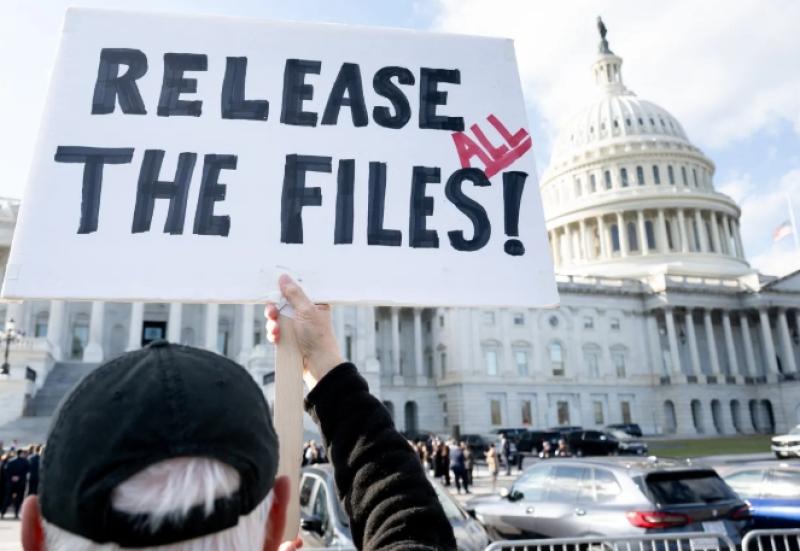
The Jeffrey Epstein files are scheduled to be delivered by the Trump administration to Congress today, pursuant to legislation passed urgently and almost unanimously a month ago. But neither the House of Representatives nor the Senate will be in session to receive or discuss them. Congress has gone home for the holidays.
This seems appropriate, in a way. The political establishment has never been interested in dealing with the Epstein matter. Nor have our elites in general. Over the past two decades, they’ve been conspicuously uninterested in knowing more. They certainly haven’t been eager to do more.
Part of this is that the whole thing is so tawdry and disgusting. It’s not pleasant to think about Epstein’s life and deeds, and so people are happy to avoid doing so.
But of course that’s not all of it. The establishment doesn’t want to think about Epstein because they don’t want to think about how he got away with all of it, at such a scale, and for so long.
This is one reason—perhaps the main reason—why Epstein matters.
Epstein matters in more immediate ways, to be sure. Today will be yet another test of whether and to what extent the Trump administration will comply with the law. We’ll have to try to determine if we’re getting all the files we should be getting. We’ll have to try to see how much has been left out or even tampered with.
So the compliance question will be a test of the Trump administration. And the substance of the files may provide yet another glimpse into the life and times of Epstein’s good friend, Donald Trump.
But it will also provide a window into the lives of many others, of many who helped Epstein, who enabled him, who had no problem consorting with him. It will provide a view of the lifestyles, of the mores and morals of what Rep. Ro Khanna has been calling—after someone used the term in conversation with him—“the Epstein class.”
Some people shy away from that term. But there was a class effort to protect Epstein. Some people are made uncomfortable by the fervor of those who have criticized the Epstein cover-up. But outrage over the decades-long coddling of Epstein is justified. Some people are put off by all the conspiracy theories swirling about Epstein. Some of those are worth shunning. But there were conspiracies to cover up Epstein’s deeds.
So, yes, a real reckoning with Epstein would mean a real re-thinking of questions of gender, wealth, and power. So be it. Real reckonings are uncomfortable. That’s what it means to come to a reckoning. People say, correctly, that we need a political reformation, a civic revival, a moral awakening. None of those happens without a reckoning first.
We owe the release of the Epstein files to the efforts of the survivors. As Julie Brown, the journalist who almost single-handedly brought the Epstein scandal back to attention less than a decade ago, remarked yesterday , “So while lawmakers will be celebrating their holidays early, Epstein’s survivors won’t be having a jolly time; they will be reliving the trauma of their abuse at the hands of a man the Justice Department should have put in prison decades ago.”
We can seek to honor the survivors by coming to grips, honestly and forthrightly, with what Epstein did. We can seek to build a more decent society by coming to grips, honestly and forthrightly, with the fact that we let him get away with it.
Tags
Who is online
92 visitors
I have a feeling this is going to be anti-climatic.