In January 1776, while the Second Continental Congress was deliberating on the future of the “united colonies,” a simply titled pamphlet appeared, Common Sense, that became a publishing phenomenon. The first printing sold out in two weeks and over 150,000 copies were sold throughout America and Europe.
Written by Thomas Paine, an unknown Englishman who had emigrated only fifteen months earlier, it burst upon the scene like a meteor , a “disastrous meteor,” wrote John Adams, who felt Paine’s inflammatory call for independence would undermine the deliberative work of the Continental Congress. “I dreaded the effect so popular a pamphlet might have among the people,” he wrote to his wife Abigail, “and determined to do all in my Power to counteract the effect of it.”
Why would Adams, who agreed that independence was inevitable, react with such dismay? While Paine’s basic message was not new in 1776 , abandon the goal of reconciliation and declare independence , he went much further and wrote with driving incendiary prose. Condemn monarchy, embrace democracy, inspire the world. This doesn’t sound very revolutionary to us, but it was. “We have it in our power,” insisted Paine, “to begin the world all over again.”


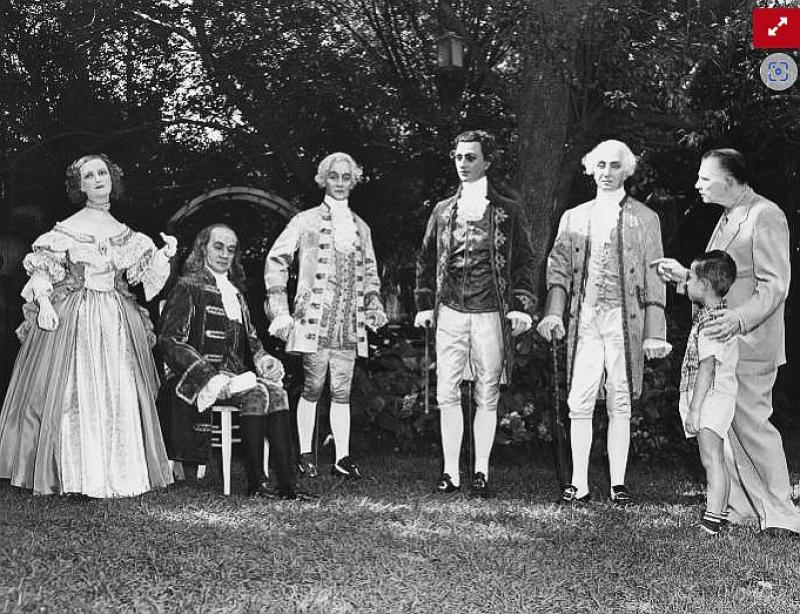


John Adams looks back on Thomas Paine's Common Sense, autobiography, early 1800s
In January 1776, while the Second Continental Congress was deliberating on the future of the “united colonies,” a simply titled pamphlet appeared, Common Sense, that became a publishing phenomenon. The first printing sold out in two weeks and over 150,000 copies were sold throughout America and Europe.
Written by Thomas Paine, an unknown Englishman who had emigrated only fifteen months earlier, it burst upon the scene like a meteor , a “disastrous meteor,” wrote John Adams, who felt Paine’s inflammatory call for independence would undermine the deliberative work of the Continental Congress. “I dreaded the effect so popular a pamphlet might have among the people,” he wrote to his wife Abigail, “and determined to do all in my Power to counteract the effect of it.”
Why would Adams, who agreed that independence was inevitable, react with such dismay? While Paine’s basic message was not new in 1776 , abandon the goal of reconciliation and declare independence , he went much further and wrote with driving incendiary prose. Condemn monarchy, embrace democracy, inspire the world. This doesn’t sound very revolutionary to us, but it was. “We have it in our power,” insisted Paine, “to begin the world all over again.”
How in H A D E S do you do this? This is fantastic, JohnRussell!
public library websites
As we arrive at our 250th Anniversary, we are as divided as we were in 1860 with two very different views on what this nation should be.