
Scientists Warn of Massive Eruption Threat as Mount Rainier and Pacific Volcanoes Stir

By: Lydia Amazouz (The Daily Galaxy - Great Discoveries Channel)


Shades of 2012. Did the Mayans get the date wrong?
 S E E D E D C O N T E N T
Recent volcanic activity across the Pacific Ring of Fire has raised alarms among scientists and volcanologists, with several volcanoes experiencing heightened eruptions and seismic tremors. The Ring of Fire, a 25,000-mile stretch of tectonic plate boundaries encircling the Pacific Ocean, is notorious for its frequent earthquakes and explosive eruptions. According to a Daily Mail report, one of the most notable developments is the increased activity at Mount Rainier in Washington, where the largest earthquake swarm since 2009 occurred, prompting intensified monitoring efforts. While these eruptions may not immediately threaten nearby communities, they could have significant long-term effects on local populations, ecosystems, and infrastructure.
The Pacific Ring of Fire: A Global Hotspot for Volcanic Activity
The Pacific Ring of Fire is home to the world's most active volcanoes, stretching from South America to Alaska, across Japan, and down to New Zealand. This geologically unstable zone is known for its frequent seismic events, including both earthquakes and volcanic eruptions. The tectonic activity here is driven by the movements of several massive plates, including the Pacific Plate, which is sinking beneath other plates, creating intense heat and pressure that often leads to eruptions.
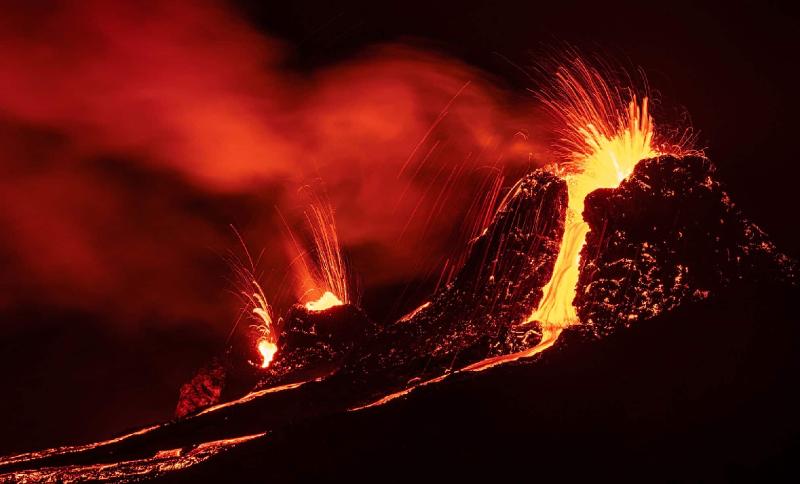
Among the volcanoes showing increased activity is the Great Sitkin Volcano in Alaska's Aleutian Islands, which has been erupting since 2021. While the eruption has been slow and non-explosive, it remains a significant concern due to its proximity to air traffic routes and the ongoing lava flows. Additionally, in Hawaii, Kilauea has paused its lava fountains but continues to build pressure, indicating that a new phase of eruption could begin at any moment.
Mount Rainier: A Volcano Under Close Surveillance
Mount Rainier, one of the most iconic volcanoes in the United States, has seen an alarming increase in seismic activity, with over 334 earthquakes recorded in just two days in early July 2025. Although the quakes were small (below magnitude 1.7), their frequency and proximity to the volcano's summit have raised concerns about potential volcanic hazards, including lahars (volcanic mudflows). These mudflows could be triggered by even minor eruptions or sudden changes in weather, such as heavy rainfall or snowmelt, making Mount Rainier one of the most dangerous volcanoes in the Pacific Northwest.
Despite not having erupted in over a century, the risk posed by Mount Rainier is significant due to its glacial coverage, which could result in rapid and deadly lahars reaching nearby communities, such as Orting and Puyallup, within minutes. Scientists are continuing to monitor the situation closely, watching for any signs of magma movement or other indicators of an imminent eruption.
The Role of Axial Seamount and Kilauea in the Pacific Volcano Crisis
Off the coast of Oregon, Axial Seamount, an underwater volcano, is showing signs of impending eruption, with scientists predicting an eruption could occur in 2025. While the eruption will likely go unnoticed by the public, it could provide valuable data on underwater volcanic processes. These events are challenging to monitor, but teams of oceanographers and seismologists are working around the clock to track any significant changes.
In Hawaii, the activity at Kilauea remains a major concern. Known for its explosive eruptions, Kilauea has recently paused its lava fountains, though sulfur dioxide emissions remain high, signaling continued volcanic activity beneath the surface. Scientists have been tracking surface deformation, seismic activity, and gas emissions in an effort to predict the timing of the next eruption phase. Given Kilauea's proximity to residential areas, any eruption could pose a serious risk to life and property, as seen in 2018 when the volcano destroyed over 700 homes.
Volcanic Hazards: Lahars, Ash Clouds, and Underwater Eruptions
The primary hazards associated with these volcanic events include lahars, ash clouds, and underwater eruptions. Lahars are a significant threat in volcanic regions where glacial ice and snow can rapidly melt during eruptions, creating deadly mudflows that can travel at incredible speeds. Although lahars have not occurred at Mount Rainier recently, the earthquake swarm and increased seismic activity suggest that this risk may increase in the near future.
In addition to lahars, ash clouds from eruptions like those from Mount Spurr in Alaska, which had a powerful eruption in 1992, pose a serious risk to aviation, as volcanic ash can disrupt air traffic for days. However, the current volcanic activity has not reached levels high enough to pose an immediate threat to aviation or nearby populations. Still, scientists remain on high alert, ready to respond if any eruptions escalate.
Understanding the Long-Term Impact of Volcanic Activity
The increased activity in the Pacific Ring of Fire, especially at Mount Rainier, the Great Sitkin Volcano, and Kilauea, underscores the importance of continued monitoring and preparedness. While eruptions may not immediately pose a risk, the long-term impact of volcanic activity on surrounding ecosystems, infrastructure, and local communities could be significant. Monitoring technologies such as satellite imagery, ground-based sensors, and underwater seismographs provide valuable insights into volcanic behavior, helping scientists predict eruptions with greater accuracy.
In the case of Mount Rainier, the US Geological Survey (USGS) has recommended continued vigilance, as even small eruptions could trigger lahars capable of devastating nearby towns. Similarly, Kilauea and Axial Seamount will continue to be closely monitored, as any significant activity could have wide-reaching consequences.

Tags
Who is online

149 visitors
Tectonic catastrophe! Run for your lives! Of course, there's no escaping Earth but run anyway.