
The Ogallala Aquifer's Decline and Its Impact on Rural America (Reports indicate)

By: Stefan Brand (Climate Compass via MSN)
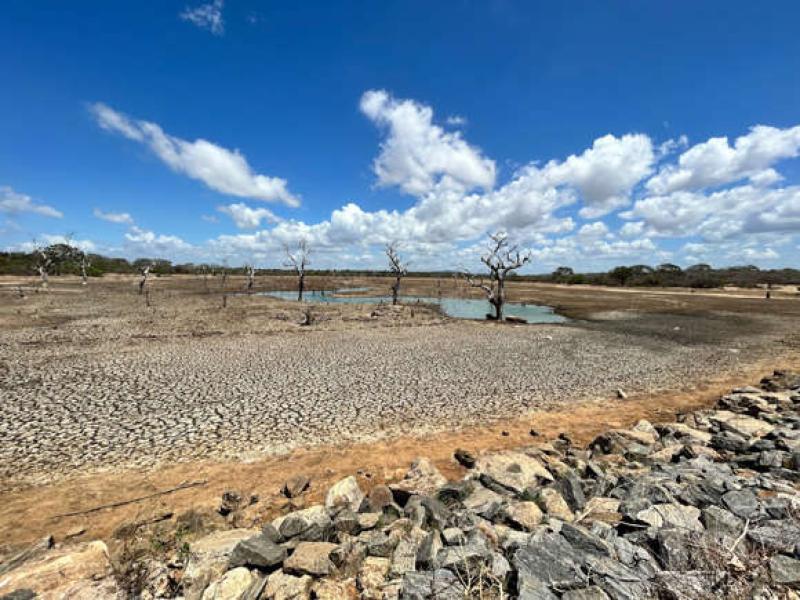

NOT CLIMATE CHANGE!
Wind turbines and solar panels can't fix aquifer depletion.
 S E E D E D C O N T E N T

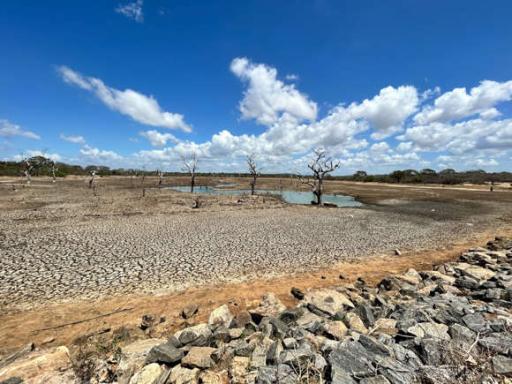
Alarming Water Level Drops Continue Across Eight States
The latest measurements from January 2025 show aquifer levels in southwest Kansas fell by over a foot and a half, marking the largest decline in recent years. This isn't some distant problem happening elsewhere - it's unfolding right now across America's heartland. In northwest Kansas, water levels dropped by 1.34 feet, far more than the previous year's decline, creating a sobering picture of an underground reservoir running dry.
The Ogallala Aquifer is being depleted at an annual volume equivalent to eighteen Colorado Rivers. Think about that for a moment - we're talking about water that took thousands of years to accumulate, now disappearing faster than anyone imagined possible.
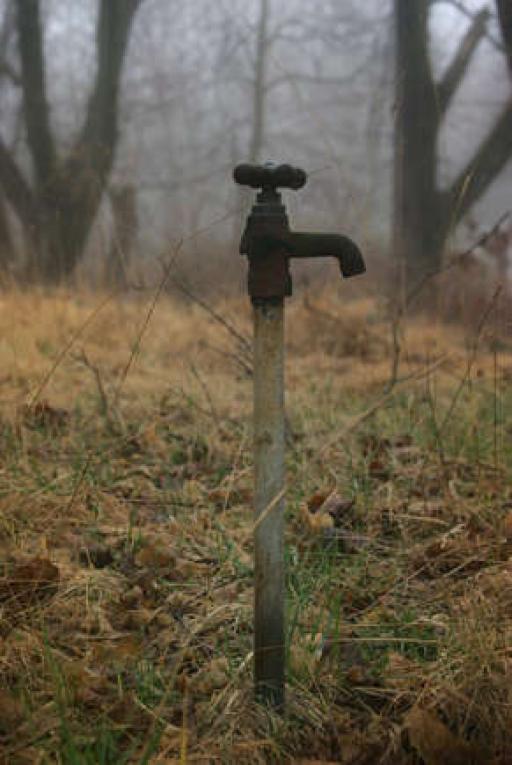
The Staggering Economic Engine Running on Empty
This region supplies at least one-fifth of the total annual U.S. agricultural harvest, and if the aquifer goes dry, more than twenty billion dollars worth of food and fiber will vanish from world markets. The numbers are almost too big to wrap your head around. The Ogallala provides about 30 percent of the groundwater used for irrigation across the entire United States, supporting everything from your morning wheat toast to the beef on your dinner table.
In 2007, agricultural products from the Ogallala region totaled roughly thirty-five billion dollars in market value. Rural communities aren't just watching their water disappear - they're witnessing the slow-motion collapse of their entire way of life.
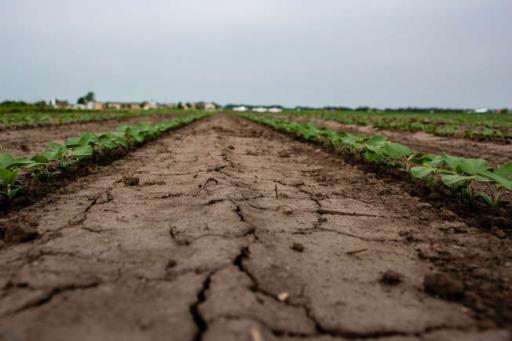
Twenty-Five Year Countdown to Crisis in Some Areas
Some parts of western Kansas don't have enough groundwater to last another twenty-five years, according to state officials. Picture entire communities where three generations of families have farmed the same land, now facing the reality that their grandchildren might not be able to continue that legacy. In Kansas, "Day Zero" has already arrived for about thirty percent of the aquifer, with the entire system expected to be seventy percent depleted within fifty years.
A University of Texas projection indicates up to seventy percent of the Texas Panhandle will become unusable within twenty years if current pumping rates continue. This isn't a gradual decline anymore - it's a rapid transformation of America's most productive agricultural region into something unrecognizable.
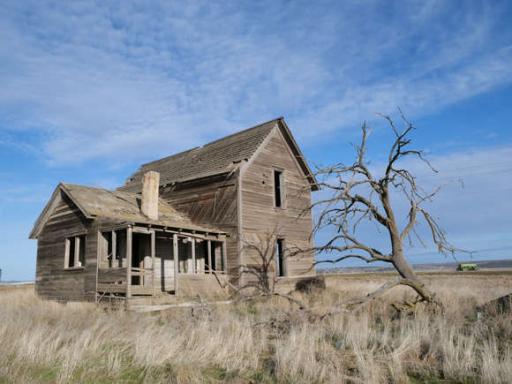
Thirty Million Acres of Abandoned Farmland Tell the Story
Recent research reveals that about thirty million acres of U.S. cropland have been abandoned since the 1980s, with land going out of use at over one million acres per year between 1986 and 2018. The Ogallala Aquifer region saw substantial land abandonment due to groundwater depletion from excessive pumping and droughts, creating a patchwork of abandoned fields that were once the pride of American agriculture. Farmers like Glenn Schur from Texas capture this heartbreak perfectly.
His granddad dug the well, his dad pumped the well, and now he's going to be the generation that caps the well. These aren't just statistics - they're family stories repeating across thousands of farms.
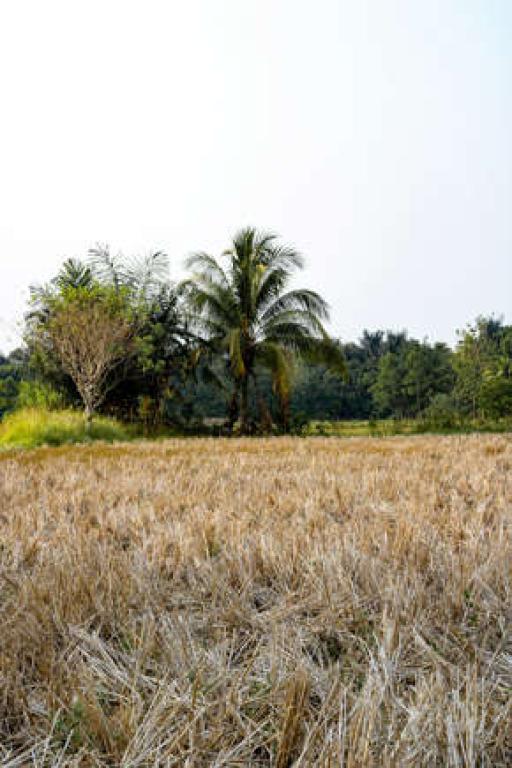
Communities Drying Up Along with the Water
Rural communities are facing dire futures where water is no longer a certainty, with small towns and cities built around agriculture facing a twisted threat - the very industry that made their communities might just eradicate them. What worries farmers most isn't just their own operations, but the communities and people they see suffering as communities dry up with the water. Irrigated farming pays the bills and rural economies depend on it, but irrigation also consumes the largest share of the aquifer's water by far.
It's a cruel irony - the very thing keeping these communities alive is slowly killing their future.
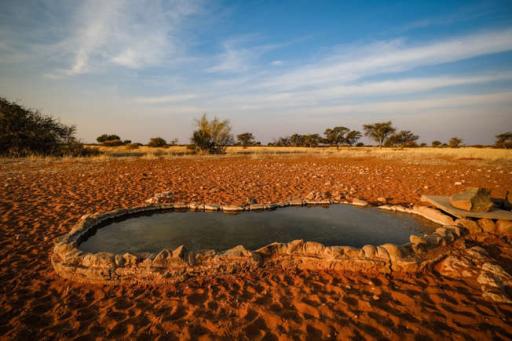
Climate Change Accelerating the Crisis
Regional groundwater measurements show ongoing declines in aquifer water quality and quantity being exacerbated by warming trends and highly variable precipitation. Climate change is reducing the amount of water going to recharge aquifers, while rising temperatures mean crops require more water to grow, even as more intense heat causes rainfall to evaporate before reaching the ground. A 2019 study found that the rate of groundwater depletion in the Ogallala could increase by as much as fifty percent by 2050.
We're not just dealing with today's water crisis - we're watching it accelerate before our eyes.
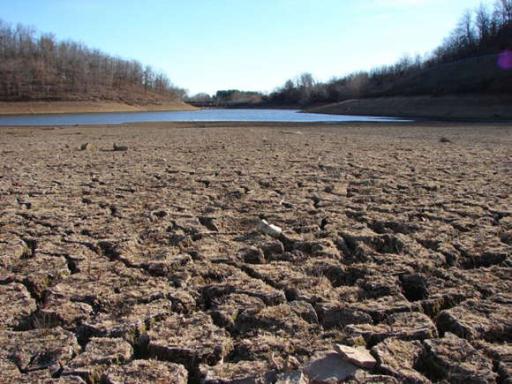
Federal Subsidies Creating a Vicious Cycle
Federal crop subsidies hasten the decline, with price supports encouraging farmers to invest in irrigation systems and expand their acreage, creating a vicious cycle of overproduction that intensifies water use. Farmers are draining the Ogallala because state and federal policies encourage them to do it, not because they want to destroy their own future. By 2024, voluntary conservation districts in Texas saw less than fifteen percent of eligible farmers participating in incentive programs.
The current system simply isn't working, and farmers are caught between economic survival today and water survival tomorrow.
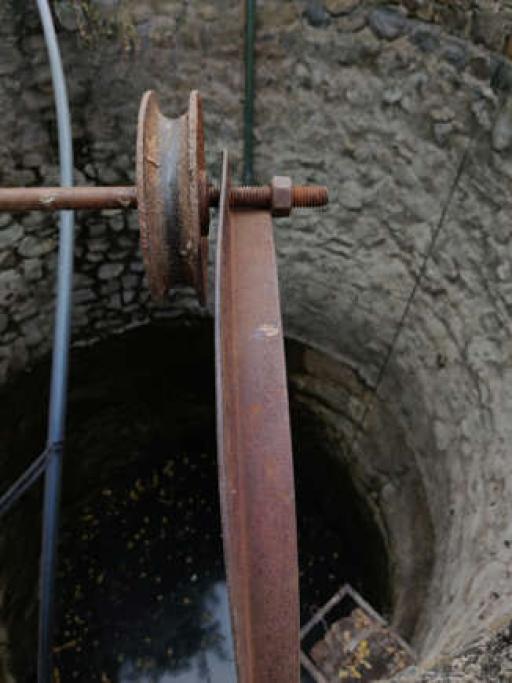
Wells Running Dry Across the High Plains
Some wells have dropped more than one hundred feet since 2001, with many places where the aquifer physically cannot support pumping demands anymore. Farmers have abandoned over half the wells on their farms because they're not feasible to pump anymore. This isn't theoretical - it's happening right now to real people trying to make a living.
In some places in the Texas Panhandle, the water table has been completely drained, with vast stretches of Texas farmland over the aquifer no longer supporting irrigation, and up to a fifth of irrigated farmland along a hundred-mile stretch in west-central Kansas already gone dry.
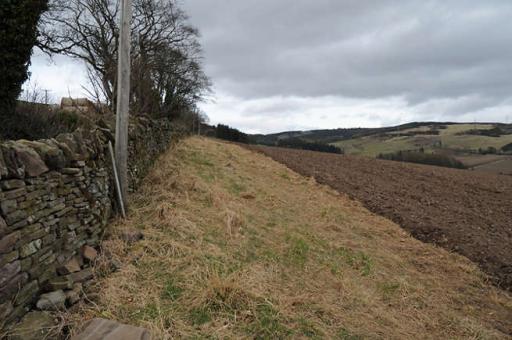
The Heartbreaking Reality of Multi-Generational Loss
Farmers notice their corn getting shorter year after year, having to overwater it while the Ogallala depletes to such an extent that water quality becomes poor, making soil unhealthy and turning it into brick. These are people who've worked the same land their entire lives, watching it slowly become unusable despite their best efforts. Without the aquifer, farmers in West Texas couldn't grow much unless it's a cactus or mesquite tree.
The transformation from America's breadbasket to something resembling a desert is becoming more real every year.
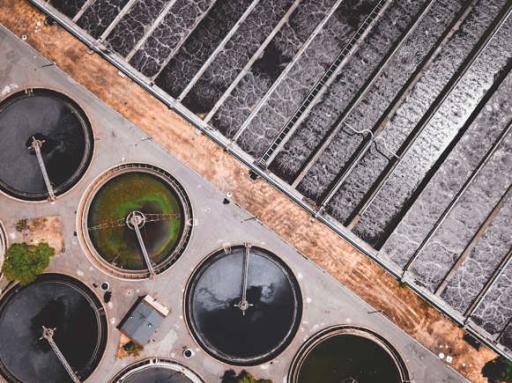
Water Districts Scrambling for Solutions
Kansas manages water through fourteen different groundwater management districts, with proposals to consolidate them into one centralized office as part of a ten-year strategic plan. Surveys have developed estimates showing farmers need to reduce pumping by over seventeen percent just to stabilize the aquifer, but getting widespread compliance remains a massive challenge. Just by getting Kansas farmers to universally adopt current water-saving tools, the state might reduce water use by up to twenty percent, potentially extending the aquifer's life by fifty to one hundred years.
But that's still just buying time, not solving the fundamental problem.
The Six-Thousand-Year Recovery Timeline
Here's the most sobering fact of all: once depleted, the aquifer will take over six thousand years to replenish naturally through rainfall. The Ogallala is recharged primarily by rainwater, but only about one inch of precipitation actually reaches the aquifer annually, while demand far outstrips replenishment. Hundreds to thousands of years of rainfall would be needed to replace groundwater in the depleted aquifer.
We're essentially mining water that's been accumulating since before recorded human history, using it up in just a few decades.
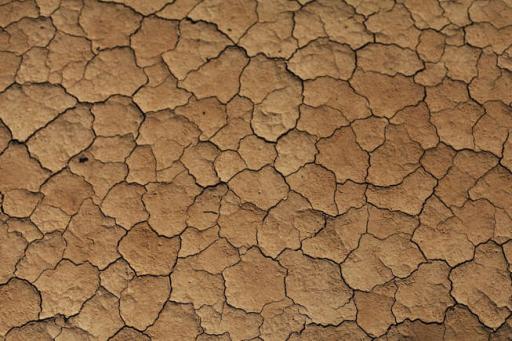
Rural America's Water Future Hangs in the Balance
No matter how efficiently water users employ it, they know the groundwater will eventually be gone, leaving them, their communities, and most of the region high and dry, forcing them to make plans for a time when the Ogallala will not meet their economic needs. Making farms sustainable into the future will be key to maintaining economic viability for communities and regional economies that rely on both agricultural production and operational needs made possible by the aquifer. The Ogallala Aquifer crisis represents more than just an environmental problem - it's the slow-motion unraveling of rural American communities that have sustained the nation for generations.
We'll get to sustainability one way or another, but it may be sustaining an economy without the Ogallala Aquifer. The question isn't whether change is coming - it's whether we'll manage that change or let it manage us.
Be a good human. Grossly derogatory comments, blatantly inflammatory comments, excessive trolling, mean-spirited taunting and insults, scamming, spamming, and off topic comments may be removed in compliance with the site's Terms of Service and the Code of Conduct. The moderators have the final word.

Environmentalists abandoned conservation. So now the well is running dry.
Fossil fuels didn't cause the problem. And gee whiz technology can't fix it.
I remember reading about the Ogallala Aquifer forty years ago. It was dropping back then, and they still haven't done a damn thing. I remember back then small farmers were going broke because they had to drill new wells every five to ten years. Now we've added about a hundred million to the US population, aquifers in many parts of the country are dropping because we're feeding the world with crops irrigated with water that fell as rain 10, 20, 30 thousand years ago, once it's gone it will take many millennia to replenish but we still aren't doing a damn thing.
Maybe Trump has the clandestine reason for making Canada the 51st State, or invading it, in order to get control of Canada's fresh water - Canada has about 20% of the world's fresh water.
My client, Marq DeVilliars, was the author of a book called Water Wars that is about that. It was written a quarter of a century ago. Note the description of its contents, taking note of the last sentene in particular:
LINK -> Water wars : is the world's water running out? / Marq de Villiers. - University of California Irvine
Yeah well, not all of the Great Lakes are Canada’s. So try again.
Well, sure, Turmp can rename the Gulf of Mexico to the Gulf of America without the consent of Mexico, so why can't he drain the Great Lakes without the consent of Canada as well? Canada has a lot more lakes and rivers than the Great Lakes anyway. My lakeside chalet was on a good sized lake and a river feeding it that only Canada has access to. You can try again when America runs out of water - Canada never will.
Sorry bud, we are fine in Michigan, Wisconsin, Minnesota, etc. Keep dreaming.
LOL. Sure you are, but I read the article.
Overpopulation makes problems worse, I have been saying that for a long time