
Scientists Just Uncovered Yet Another Perk of Being a Coffee Drinker

By: Korin Miller (Women's Health via AOL. com)
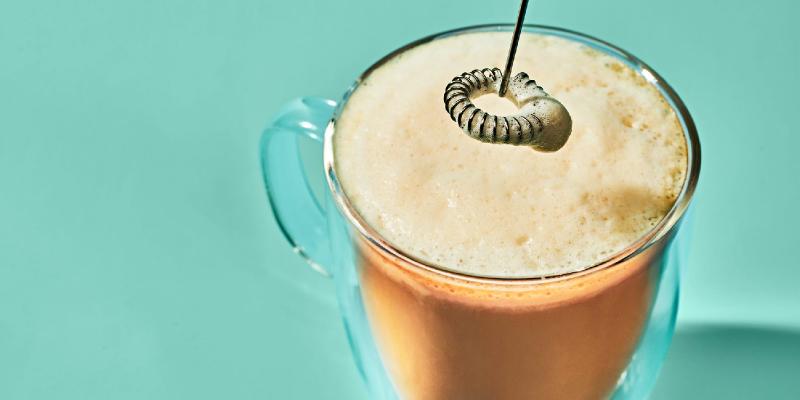


Just what we need -- more crazed caffeine junkies.
 S E E D E D C O N T E N T
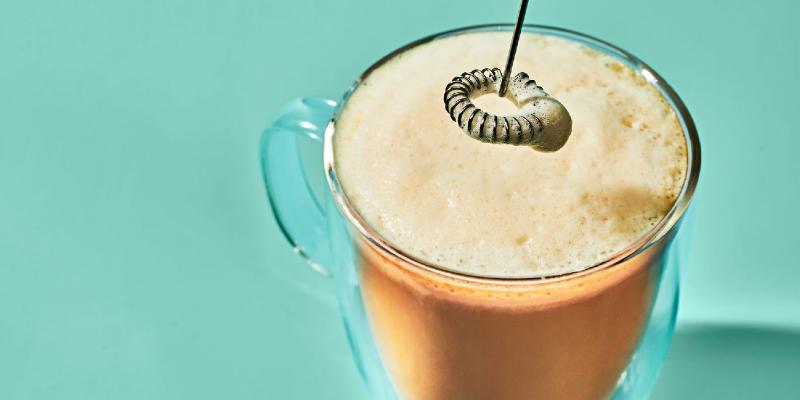
You probably didn't take up a coffee habit for the health benefits alone, which makes it even more exciting when research suggests your morning pick-me-up could be helping your physical wellbeing, too. From liver health to brain benefits to longevity in general, coffee has been linked to a variety of health benefits. Now, there's one more potential perk to add to the list—and it's probably not what you think.
New research published in the European Journal of Nutrition has found a link between drinking coffee and having more muscle. The study also found that coffee drinkers tended to have less total and visceral fat, making this a win beyond just muscle gain.
Naturally, it's a stretch to suggest that you should take up a coffee habit based purely on this. But if you're already a regular coffee drinker, this news just might make it easier to justify your next cup of joe.
Meet the experts : Luca Verroest , lead study author and researcher in the Research Unit of Biomedicine and Internal Medicine at Oulu University; Scott Keatley, RD, co-owner of Keatley Medical Nutrition Therapy ; and Keri Gans, RD , author of The Small Change Diet.
What did the study find?
The observational study analyzed cross-sectional data from 2,264 people who were 46 and participated in the Northern Finland Birth Cohort 1966 (a cohort that follows Finnish people born in 1966). The researchers examined participants' coffee intake alongside a range of health metrics.
After analyzing the data, the researchers found that those who drank more coffee tended to have lower levels of total body fat and visceral fat, which is body fat that wraps around the organs deep in the abdomen. These people also had higher amounts of muscle mass, even though people who drank higher and lower amounts of coffee had similar body mass indexes (BMIs).
Drinking higher amounts of coffee was also linked with lower concentrations of branched-chain amino acids (BCAA) in the blood. Elevated BCAA levels have been previously linked to higher type 2 diabetes risk.
"Higher habitual coffee intake groups showed a leaner body composition," the researchers wrote in the study's conclusion.
Why might coffee drinkers have more muscle?
Keep in mind, the study simply found a link between drinking coffee and having more muscle—it didn't prove that the coffee itself promoted muscle growth or anything of that vein. "It's entirely possible that people who drink more coffee differ in other ways we didn't measure," says Luca Verroest , a PhD candidate and lead study author and researcher in the Research Unit of Biomedicine and Internal Medicine at Oulu University.
Still, Verroest says there could be a few things at play here. "Caffeine increases energy expenditure and fat oxidation," he says. Because of that, it could be that people with a regular, higher coffee habit are simply burning more calories and breaking down fat a little better than those who have lower amounts of coffee.
"Coffee also contains over a thousand bioactive compounds beyond caffeine, and we don't yet know which of them matter," Verroest says. But Verroest also stresses that BMI is only part of the story. "Two people at the same BMI can have quite different amounts of fat and muscle," he says.
Coffee "may also improve exercise performance, which could indirectly help preserve muscle," says Scott Keatley, RD, co-owner of Keatley Medical Nutrition Therapy . Not only that, coffee contains polyphenols, including chlorogenic acids. "That may influence blood sugar, inflammation, and how the body handles fat," Keatley says.
How much coffee do you need to drink to get the perks?
It's not clear. "Our study didn't test doses, so I can't answer from our own data," Verroest says. In general, "moderate intake can certainly fit into a healthy eating pattern," says Keri Gans, RD , author of The Small Change Diet .
The FDA currently states that most people can enjoy up to 400 milligrams of caffeine a day without negative effects, which translates to about two to three 12-oz cups of brewed coffee, "though individual tolerance varies," Gans says.
The way you take your coffee matters, though
There's a big difference between sipping on lots of black coffee and having a bunch of coffee with plenty of creamer and sugar, especially when you're talking about daily consumption. "It is very easy to turn coffee into dessert," Keatley says. "A small amount of milk or sugar is unlikely to erase coffee's beneficial compounds." But large amounts of flavored syrup, sweetened creamer, whipped cream, or sugar can tack on hundreds of calories, along with added sugar and saturated fat, he points out.
"If that happens every day, the additions may work against the metabolic benefit someone is hoping to get," Keatley says.
Ultimately, more research is needed to see how much coffee impacts your body composition and how it all works. But if you wanted one more reason to feel good about kicking back with a daily cup, you just found it.
Remember the Golden Rule, be a good human. We're here to relax and chat, so let's keep it civil and fun. Please, remember to quote the person(s) you are replying to as a courtesy so everyone can follow the conversation. Grossly derogatory comments, blatantly inflammatory comments, excessive trolling, mean-spirited taunting and insults, scamming, spamming, and off topic comments may be removed in compliance with the site's Terms of Service and the Code of Conduct. The moderators have the final word and may remove comments at their judgement (or lack thereof).
Past performance does not guarantee future results. Comment at your own discretion. The owners of the site, the owner of this group, and the moderators are not responsible or liable for any stupid thing you do. You break it, you buy it. No shirt, no shoes, no service. Don't poke the bear. Mind the gap.

Tags
Who is online


126 visitors
A triple mocha latte with a couple of orange Liquid Death chasers might achieve a crazed chihuahua attitude but it won't make anyone lean and muscular.
What if it's just that muscular people develop a NEED for more coffee? Is it not possible that the reverse logic could be true?
Ah coffee! Is there anything it can't do?