
Classic Movies vs. Modern Blockbusters: A Comprehensive Comparison

By: By Mindful CityZen

 S E E D E D C O N T E N T

Classic Movies vs. Modern Blockbusters: A Comprehensive Comparison
When it comes to movies, I have a bit of a split preference. On one hand, I'm all about the thrill and excitement of modern blockbusters. There's something about the special effects, action-packed scenes, and immersive worlds that really captivates me. But on the other hand, when I'm in the mood for a movie with substance, depth, and a storyline that truly resonates, I turn to the classics. There's just a timeless quality to them that modern films often struggle to replicate.
So let's talk about these two worlds of cinema. Each has its own magic, drawing in audiences in different ways. Throughout this discussion, we'll explore what makes classics classic, and what sets modern blockbusters apart. From the cultural impact they've had to the technological advancements that have shaped them, there's so much to uncover. By diving into these details, we can gain a deeper appreciation for the evolution of filmmaking and maybe even gain some insights into our own viewing preferences. After all, knowing what we love about movies can help us choose the perfect film for any occasion.
Historical Context
Classic Movies: The Golden Age of Cinema
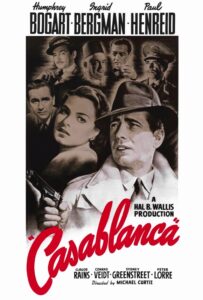
The term "classic movies" often refers to films produced during Hollywood's Golden Age , spanning from the 1920s to the 1960s. This era was marked by the emergence of iconic studios such as MGM, Warner Bros., and Paramount. Directors like Alfred Hitchcock, Billy Wilder, and Orson Welles crafted masterpieces that have stood the test of time. Movies such as "Casablanca" , "Gone with the Wind" , and "Citizen Kane" are emblematic of this period, known for their compelling narratives, strong character development, and innovative cinematography.
Alfred Hitchcock 's suspenseful thrillers, such as "Psycho" and "Vertigo" , introduced groundbreaking techniques in storytelling and visual composition. Billy Wilder , with films like "Sunset Boulevard" and "Double Indemnity" , masterfully blended genres, creating narratives that were both thrilling and emotionally rich. Orson Welles 's "Citizen Kane" remains a landmark in filmmaking, lauded for its deep focus shots and innovative use of non-linear storytelling.
Modern Blockbusters: The Age of Spectacle
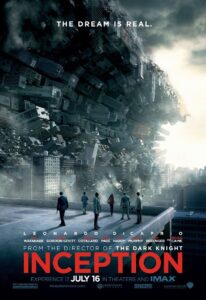
Modern blockbusters, on the other hand, began to rise in the late 1970s with the advent of films like "Jaws" and "Star Wars" . These movies set a new precedent for large-scale production and global appeal. Today, modern blockbusters are synonymous with high budgets, cutting-edge special effects, and wide-reaching marketing campaigns. Directors such as Steven Spielberg, James Cameron, and Christopher Nolan have revolutionized the industry with films like "Jurassic Park" , "Avatar" , and "Inception" .
Steven Spielberg 's "Jaws" essentially invented the summer blockbuster, combining suspense with a broad appeal that drew massive audiences. James Cameron 's "Titanic" and "Avatar" pushed technological boundaries, using advanced CGI and 3D technology to create immersive experiences. Christopher Nolan has redefined modern cinema with complex narratives and stunning visual effects in films like "The Dark Knight" trilogy and "Interstellar" .
Technological Advancements
Classic Movies: Innovation with Constraints
Classic movies were produced with limited technology, which often required filmmakers to be exceptionally creative. Practical effects, matte paintings, and miniatures were commonly used to create illusions. The lack of advanced technology meant that directors had to rely heavily on storytelling , dialogue , and character development to captivate audiences. Cinematographers like Gregg Toland, known for his work on "Citizen Kane" , pioneered techniques such as deep focus, which added a new dimension to visual storytelling.
Practical effects in classic films involved intricate and labor-intensive methods. For example, the transformation scene in "The Wolf Man" (1941) was achieved through painstaking frame-by-frame makeup application. Matte paintings provided expansive backgrounds, as seen in "The Wizard of Oz" , while miniatures were used to simulate large-scale scenes, such as the train wreck in "The General."
Modern Blockbusters: Pushing the Boundaries of Visual Effects
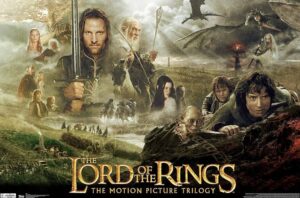
In contrast, modern blockbusters leverage the latest technological advancements to create visually stunning experiences. Computer-generated imagery (CGI) , motion capture, and advanced sound design have become integral to blockbuster filmmaking. Movies like "The Avengers" and "The Matrix" showcase how technology can bring fantastical worlds and complex action sequences to life. The use of IMAX cameras and 3D technology further enhances the viewing experience, making it more immersive and engaging.
CGI has revolutionized the way visual effects are created, allowing for seamless integration of fantastical elements into live-action footage. Films like "The Lord of the Rings" trilogy utilized CGI to create entire armies and mythical creatures, setting a new standard for visual storytelling. Motion capture technology, as seen in "Avatar" and "The Planet of the Apes" series, enables actors' performances to be digitally captured and transformed into lifelike characters, providing a level of realism previously unachievable.
Storytelling Techniques
Classic Movies: Emphasis on Narrative and Dialogue
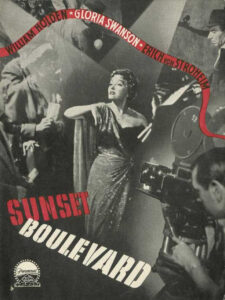
Classic movies are often celebrated for their intricate plots and rich dialogues. The storytelling in these films is typically linear, with a clear beginning, middle, and end. Screenwriters like Billy Wilder ( Sunset Boulevard , The Seven Year Itch ) and F. Scott Fitzgerald ( The Great Gatsby, Tender is the Night ) crafted scripts that were not only engaging but also thought-provoking. Films like "Sunset Boulevard" and "Network" exemplify the power of strong narratives and character-driven stories.
In "Sunset Boulevard" , the narrative is driven by the complex relationship between a faded silent film star and a struggling screenwriter, exploring themes of fame and delusion. "Network" , written by Paddy Chayefsky, is a biting satire on the television industry, with sharp dialogues that critique media manipulation and the quest for ratings. These films rely heavily on character development and dialogue to convey their themes and engage audiences.
Modern Blockbusters: Visual Storytelling and Spectacle
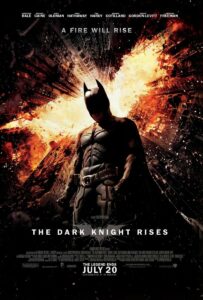
Modern blockbusters, while still valuing narrative, often prioritize visual spectacle and high-concept ideas. The storytelling in these films can be non-linear, incorporating flashbacks, parallel narratives, and intricate plot twists. Directors like Quentin Tarantino and Christopher Nolan are known for their unconventional storytelling methods. Movies such as "Pulp Fiction" and "The Dark Knight" illustrate how modern blockbusters use visual storytelling to enhance their narratives, making them more dynamic and engaging.
"Pulp Fiction" employs a non-linear narrative structure, interweaving multiple storylines that eventually converge, creating a rich tapestry of interconnected characters and events. "The Dark Knight" combines traditional narrative elements with groundbreaking action sequences and complex character arcs, resulting in a film that is both intellectually stimulating and visually arresting. These techniques allow modern blockbusters to offer more layered and immersive storytelling experiences.
Critical and Commercial Success
Classic Movies: Critical Acclaim
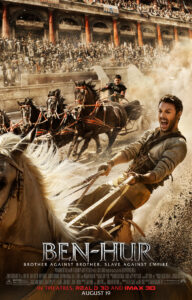
Classic movies often garnered critical acclaim, winning numerous awards and accolades. Films like "Ben-Hur" , which won 11 Academy Awards, and "Lawrence of Arabia" , known for its epic scope and stunning cinematography, are celebrated as milestones in film history. The critical success of these films is a testament to their enduring quality and artistic merit.
"Ben-Hur" is renowned for its grand scale and impressive set pieces, particularly the iconic chariot race scene, which remains a benchmark in action filmmaking. "Lawrence of Arabia" is praised for its sweeping landscapes and complex portrayal of its titular character, offering a rich cinematic experience that has influenced countless filmmakers. These films continue to be regarded as models of cinematic excellence.
Modern Blockbusters: Box Office Titans
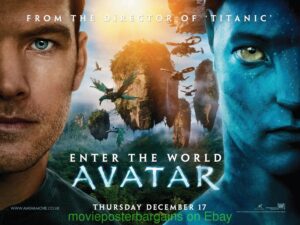
Modern blockbusters are characterized by their massive box office success. Movies like "Avatar" and "Avengers: Endgame" have shattered records, grossing billions of dollars worldwide. The financial success of these films reflects their broad appeal and the power of modern marketing strategies. Blockbusters often attract large audiences, including those who might not typically watch movies, due to their event-like nature and extensive media coverage.
"Avatar" utilized cutting-edge 3D technology to create an immersive world of Pandora, drawing audiences with its stunning visual effects and groundbreaking use of CGI. "Avengers: Endgame" culminated a decade-long narrative arc within the Marvel Cinematic Universe, bringing together beloved characters in a monumental showdown that captivated global audiences and set new box office records. These films exemplify how modern blockbusters leverage advanced technology and comprehensive marketing campaigns to achieve unparalleled commercial success.
Conclusion

In conclusion, both classic movies and modern blockbusters offer unique experiences that cater to different tastes and preferences. Classic movies are revered for their storytelling, character development, and timeless appeal, while modern blockbusters captivate audiences with their technological prowess and visual spectacle. Understanding the differences between these two genres allows us to appreciate the evolution of cinema and the diverse range of stories it brings to life. Whether you prefer the nostalgia of classic films or the excitement of modern blockbusters, there is no denying the significant impact both have had on the world of cinema.
Classic movies offer a window into the past, showcasing the artistry and innovation of early filmmakers who laid the foundation for modern cinema. They invite viewers to engage with stories that have shaped cultural and social perspectives, fostering a deep appreciation for the craft of filmmaking. Modern blockbusters, on the other hand, push the boundaries of what is possible, using the latest technology to create immersive and exhilarating experiences that captivate global audiences.
As we continue to explore the vast landscape of cinema, it is important to recognize and celebrate the contributions of both classic movies and modern blockbusters. Each genre, in its own way, enriches our understanding of storytelling and the human experience, offering endless opportunities for discovery and enjoyment.
Discussion of politics and/or religion will be limited to the plots and themes of the movies or TV movies and series themselves and any religious comments or proselytizing or commentary concerning current politics not in reference to the movies or TV movies and series themselves will be deleted along with all CoC and ToS violations. As well, anything posted that the administer of this group deems to be offensive, off topic or of no value will be deleted. Videos and images that the administrator cannot open must be described in text or they will be deleted. Instagrams are not permitted.

Tags
Who is online
90 visitors
The conclusion of the author of the article is that the basic difference between classic movies and the modern blockbusters is: "Classic movies are revered for their storytelling, character development, and timeless appeal, while modern blockbusters captivate audiences with their technological prowess and visual spectacle."
I think the Star Wars trilogy was a defining moment in history for that. It started a very heavy emphasis on special effects.
Good point.
it’s hard to argue with this analysis, you just have to look at Bela Lugosi as Dracula, he used 100% skill to convince you he was Dracula. Now it seems like CGI rules and it won’t be long until all actors are just AI creations, it will be flawless but have no heart.
I was just thinking of apologizing to the members of NT for having posted the ONLY article on the thirty article Front (Home) Page of NT that isn't about politics, BUT i WON'T. In fact I'm going to get busy this morning posting articles that might be of interest to anyone who isn't drowning in the swamp.
Buzz, quite a few of your recent "non political" articles have gotten a fair amount of comments. I hope it continues for you.
Over half the American people think we have a dictator in office. Its kind of a big deal.
Well, on the other hand, before this article, two of my most popular topics, cars and movies, each achieved only 2 members to indicate any interest.
I think that when I saw that this article stood as only one of the thirty articles on the Front (Home) Page - for the first time being the ONLY one that WASN'T politics, it got me concerned that its narrownest of interest was not going to expand NT's membership, an expansion that I think NT REALLY needs. We've lost too many members and gained too few.
People who want to spend a lot of time discussing classic cars and boats usually join a forum where that is an emphasis. NT is primarily a current events forum.
I have seeded quite a few articles on various topics that havent gotten many comments. Sometimes none.
World Series starts tomorrow night in Toronto.
I like the cars, boats, trains and movie articles
Yes, so I want to broaden its horizons in order to have it gain new members who have broader horizons due to the fact that over the years it seems to have lost more members than it has gained.
And I am SO looking forward to at least follow the scoring on the internet, if the games are not broacast here.
If you can get ESPN or MLB websites they have a way for you to follow the game pitch by pitch.
Thanks for your faithful support of my articles. I posted that article of art deco train streamliners for you.
I've been using the MLB website - it posts in text each Run Hit and Error as they happen, so I keep checking back to see what's happening.
Ok. They do have a function that shows balls and strikes , it might be on the place you were looking and you just didnt notice it. But then if you're not watching the game on tv theres no real need to know balls and strikes.
Yes, at the bottom right of their post they show little circles that get filled in as each strike and ball happens. I saw it, but I have too many other things to do here than to sit and watch the little circles getting filled in. If China DOES broadcast the games I'll put everything else aside to watch them. They do broadcast the NHL Stanley Cup finals so there's hope, but baseball hasn't caught on enough here yet. In Beijing date and time, the first game will take place tomorrow at 8:10 a.m.
I dont know what you expect people to say about an article like this. I dont see anything in there that people who watch movies dont already know.
I wish I were as confident about the extent of people's level of knowledge and intelligence as you are taking into consideration how you feel about the fact that the majority of voting Americans elected Trump.
Trump has never in his life been fit to be president, but since he has behaved so abysmally over the past nine months it seems many of his voters have had regrets. There was a new poll yesterday indicating that 52% of Americans consider him to be a dictator.
Maybe a lot of American people think that America is better off with a dictator.
Buzz I don’t always comment on these articles but I do read and enjoy them, please don’t turn this article into another political cesspool by violating your own red box rules. Or allow others to do so.
Ooops!!! Guilty as charged. Thanks George, I'll be more careful from now on.
All good my friend, I saw your comment on MLB, I love game day for following the game, not only can you see the pitches, type and speed. You can scroll back for a synopsis of what you missed if you get caught up doing something else. It’s an excellent tool.
good comparison of old and new
Yes, it is.