
China's ten great ancient capitals

By: No Author Indicated

BUZZ NOTE: If you prefer to listen to the text while observing the photos, it is an 11 minute monologue. To do so click on the SEEDED CONTENT link just below this message, which will open the original source article. The link to listen is just below the title, and you can follow the text and images on the source article.
 S E E D E D C O N T E N T

Each capital offers a unique chapter in China's story. They are living history, with stones, walls, and artifacts whispering stories of emperors, poets, and everyday life. Our journey begins with Xi'an, the eternal capital that witnessed the dawn of China's golden ages.
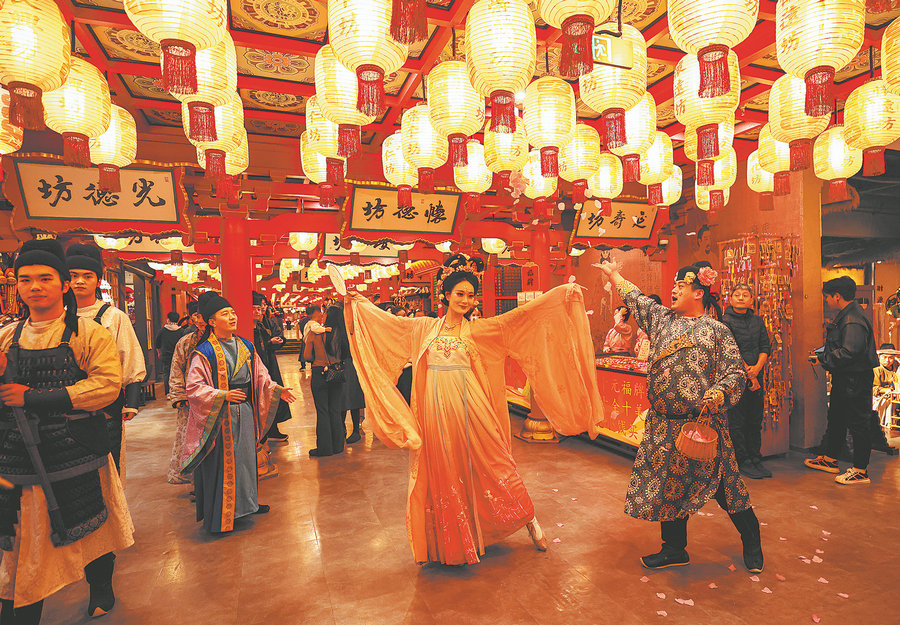
A street with an ancient flavor in Xi'an, Shaanxi province, in November. [Photo provided to China Daily]
Xi'an: The Eternal Capital - Where Empires Rose and Trade Routes Converged
Xi'an, historically known as Chang'an, stands as a monumental pillar of Chinese civilization. It served as the capital for thirteen dynasties, including the pivotal Qin (221-206 BC), Western Han (206 BC-AD 24), and Tang (618-907), solidifying its place as one of the longest-serving capitals in Chinese history. As the eastern terminus of the legendary Silk Road , Xi'an blossomed into one of the world's first truly metropolitan cities. During the Tang Dynasty, it was a dazzling, international hub where cultures, religions, and exotic goods converged from across the known world. The city safeguards the world-renowned Terracotta Army , the silent legion of Emperor Qin Shi Huang , a testament to imperial ambition and artistic mastery. Its remarkably well-preserved Ming Dynasty (1368-1644) city wall, the majestic Big Wild Goose Pagoda (Dayan Pagoda), and the palpable historical atmosphere that permeates its streets rightfully earn Xi'an the title of a "Living History Museum."
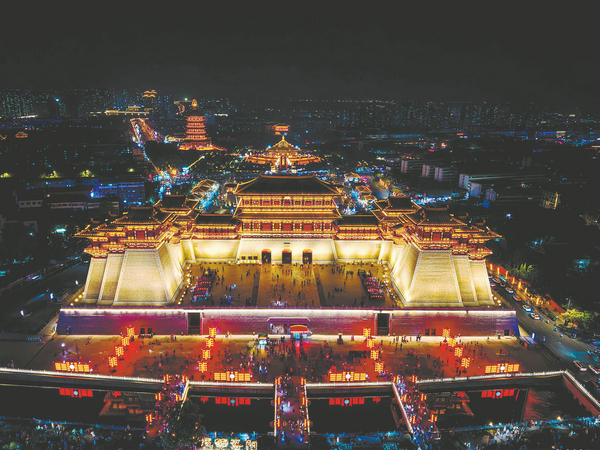
Yingtianmen, or Yingtian Gate, an ancient structure in Luoyang, Henan province, is a must-visit for tourists. [Photo/China Daily]
Luoyang: The Sacred Center - Cradle of Civilization and Buddhist Enlightenment
Luoyang, sharing the honor of hosting thirteen dynasties, is revered as the sacred center and spiritual heartland of Chinese civilization. It flourished as the capital during the Eastern Han Dynasty (206 BC-AD 24), the Northern Wei Dynasty (386-534), and notably under Empress Wu Zetian, China's only female emperor. Its profound spiritual significance is carved into the stones of the Longmen Grottoes , a UNESCO World Heritage site and a masterpiece of Buddhist art. The White Horse Temple (Baima Temple), traditionally recognized as China's first Buddhist temple, marks the arrival and assimilation of Buddhism into Chinese culture. Situated in the heart of the "Central Plains," Luoyang was long considered the geographical and cosmological center of "All Under Heaven" (Tianxia), shaping the philosophical and political bedrock of early China.
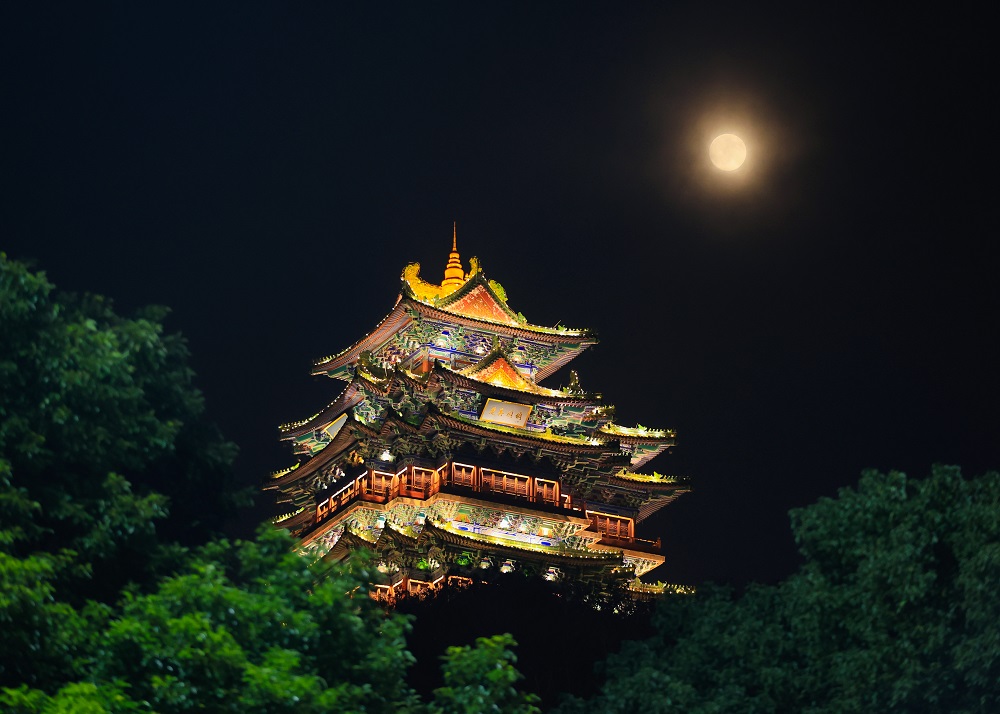
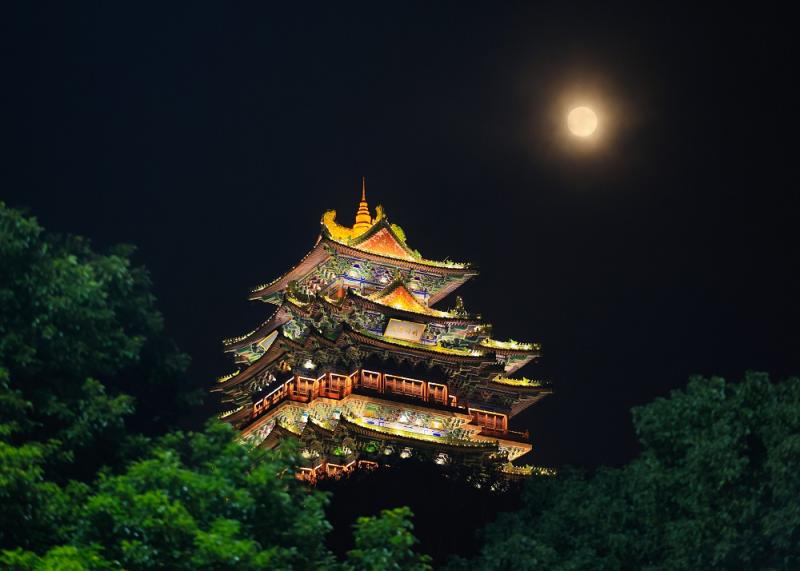
A full moon adds to the breathtaking view of the Yuejiang Tower in Nanjing, East China's Jiangsu province on Oct 6, 2025. [Photo by Su Yang/For chinadaily.com.cn]
Nanjing: The Southern Capital of Resilience - A City Forged in Fire and Rebirth
Nanjing, meaning "Southern Capital," has long been the political cornerstone of southern China, serving as the seat of power for ten dynasties and regimes, including the early Ming and the Republic of China. Its strategic location, poetically described as "a tiger crouching, a dragon coiling," made it a recurring choice for establishing regional dominance. The city's history is a poignant narrative of glory, destruction, and rebirth, embodying the cyclical patterns of Chinese history. Landmarks like the grand Sun Yat-sen Mausoleum, the colossal Ming Dynasty city wall (one of the longest surviving city walls in the world), and the solemn memorials to its tragic past collectively narrate the story of this resilient "City of Memories."

Beijing: The Imperial Capital - A City of Mandate of Heaven and Modern Ambition
Beijing, the capital of the Yuan (1271-1368), Ming, and Qing (1644-1911) dynasties, has served as China's political heart for over 850 years, a role it continues to fulfill today. It is the definitive imperial city, home to the world's largest and best-preserved palace complex, the Forbidden City , a breathtaking symbol of supreme power and imperial grandeur. The majestic layouts of the Temple of Heaven and the ethereal beauty of the Summer Palace , alongside the imposing Great Wall nearby, reflect the enduring "Mandate of Heaven" philosophy that underpinned imperial rule. Evolving from a northern frontier town into a sprawling metropolis, Beijing seamlessly blends ancient imperial grandeur with vibrant modernity, showcasing the enduring spirit and cultural confidence of the Chinese nation.
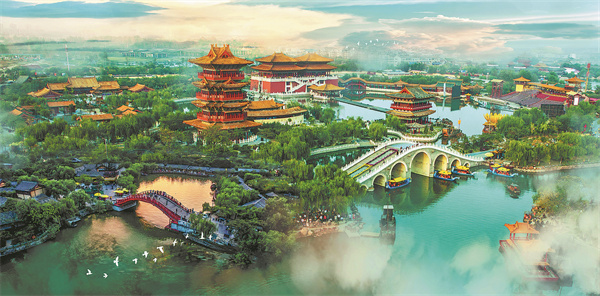
The Millennium City Park in Kaifeng, Henan province, is a re-creation of the ancient scroll Along the River During the Qingming Festival . [Photo provided to China Daily]
Kaifeng: The City of the Northern Song Zenith - A Lost Metropolis of Innovation and Prosperity
Kaifeng, the dazzling capital of the Northern Song Dynasty (960-1127) known as Bianliang, was once the world's most prosperous and technologically advanced metropolis. Its splendor is immortalized in the renowned scroll " Riverside Scene at Qingming Festival ," a vibrant depiction of city life at its peak. Its unique historical legacy is the "city stacked upon city" phenomenon, where successive layers of civilization, buried by the Yellow River's silt, create a vertical timeline beneath the modern city. Though its Song-era grandeur is largely lost to time, landmarks like the millennia-old Iron Pagoda and the meticulously reconstructed Qingming Riverside Landscape Garden (Qingming Shanghe Garden) vividly evoke the atmosphere of a bustling, innovative commercial and cultural center at its zenith.
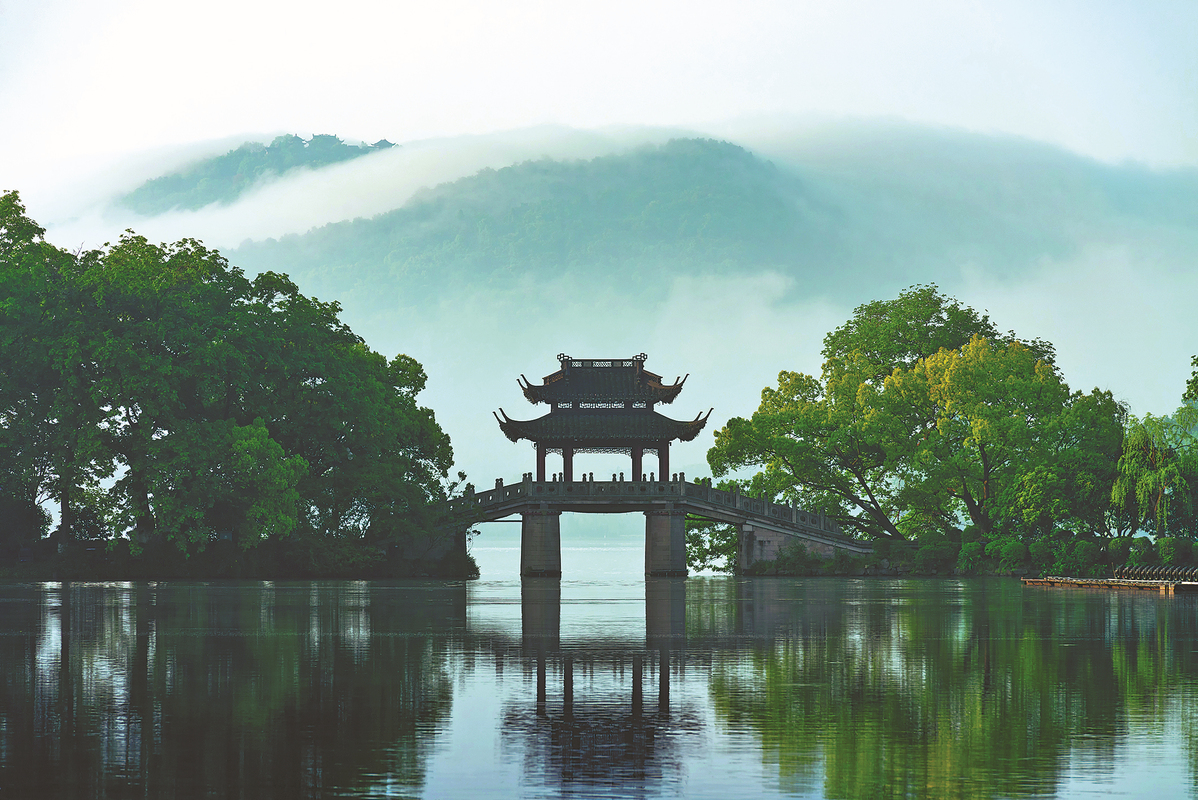
West Lake in Hangzhou, Zhejiang province. [Photo by Chi Shiyong/Liu Jianhua/For China Daily]
Hangzhou: The Heavenly Capital on the Lake - A Paradise of Silk, Tea, and Artistic Inspiration
Hangzhou, serving as the capital of the Southern Song Dynasty (1127-1279) known as Lin'an, represents the pinnacle of classical Chinese elegance and refined culture. After the retreat south, it became the de facto national capital, fostering an unparalleled era of artistic, economic, and intellectual flourishing. The city is inextricably linked to West Lake , a UNESCO World Heritage site and a poetic masterpiece of landscape design that embodies the perfect harmony between humanity and nature, inspiring the timeless proverb: "Above there is heaven, below are Suzhou and Hangzhou." It remains a vibrant center of silk production, tea culture, and the graceful Jiangnan lifestyle, attracting visitors with its timeless beauty and cultural richness.

The inscribed oracle bones on display at the Yinxu Museum in Anyang, Henan province. [Photo/China Daily]
Anyang: The Cradle of Chinese Script - Where History Was First Written
Anyang, the site of the Yin Ruins, holds paramount archaeological importance as the last capital of the Shang Dynasty (c.16th century-11th century BC). It is the birthplace of Chinese written history, where the earliest mature Chinese writing system— Oracle Bone Script (Jiaguwen)—was discovered inscribed on bones and shells. The excavation of royal tombs, palaces, and magnificent bronze vessels like the Houxmuwu Ding provides irrefutable evidence of a highly developed Bronze Age civilization. Anyang is not simply an ancient capital; it is the verifiable genesis of China's recorded dynastic history, a place where the voices of the past speak directly to us through the ancient script.

An aerial view of part of the well-preserved city walls at the heart of Zhengzhou, Henan province. [Photo/China Daily]
Zhengzhou: The Heart of Early Chinese Civilization - Echoes of a Mythological Past
As a more recent addition to the list, Zhengzhou's significance lies in the Early Shang Dynasty capital ruins dating back over 3,600 years. The discovery of massive rammed-earth city wall foundations, bronze foundries, and palace complexes confirms its status as a major political and military center during the dawn of Chinese civilization. Located in the central plains, it is also deeply connected to the legendary Yellow Emperor , tying it to the mythological origins of Chinese culture. Today, as a major national transportation and economic hub, Zhengzhou symbolizes the vibrant convergence of ancient heritage and modern ambition.
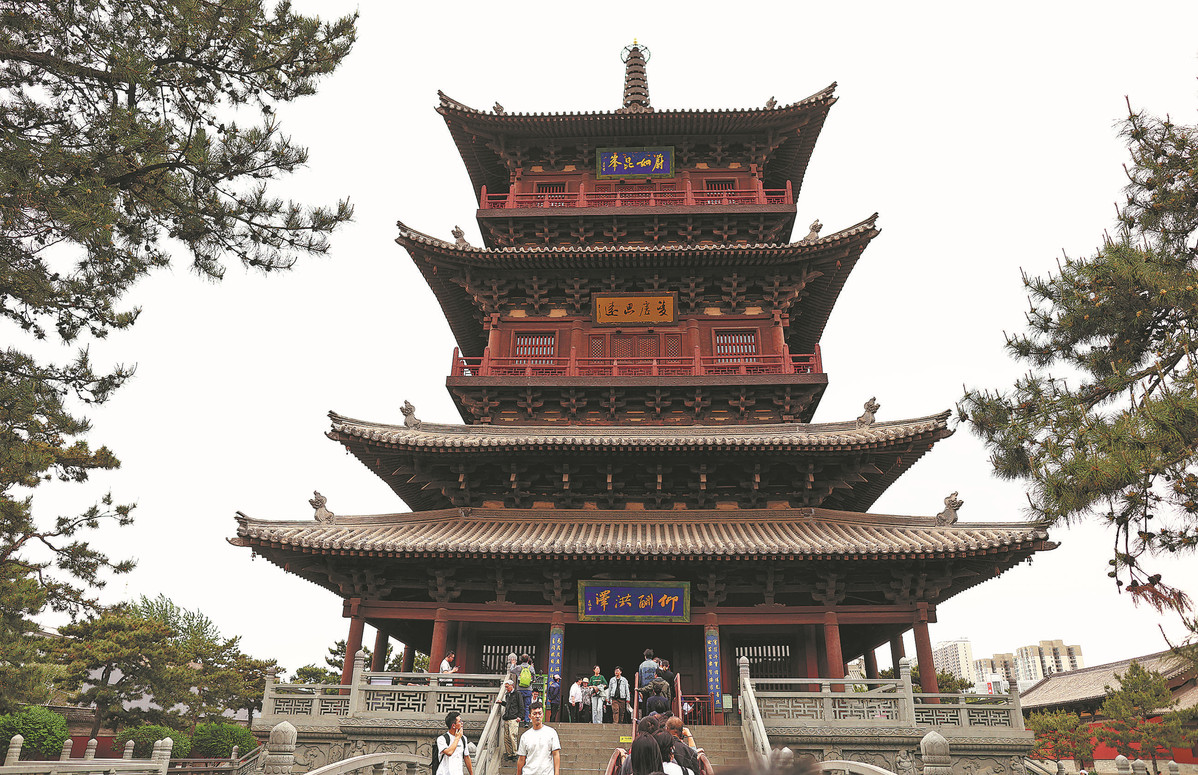
Tourists visit the Huayan Temple in Datong, Shanxi province, on May 12. Huayan is currently one of China's largest Buddhist temples built during the Liao (916-1125) and Jin (1115-1234) dynasties. [Photo by Zhu Xingxin/China Daily]
Datong: The Buddhist Grotto Capital - Where Faith Carved its Mark on Stone and Silk
Datong, known as Pingcheng when it served as the capital of the Northern Wei Dynasty, is a striking testament to ethnic integration and religious art in northern China. Its crown jewel is the Yungang Grottoes , a UNESCO World Heritage site featuring breathtaking Buddhist statues that masterfully blend Indian, Central Asian, and Chinese artistic influences. Beyond the grottoes, architectural wonders like the daring Hanging Temple cling precariously to a cliffside, and the historical city walls reflect its past as a vital strategic stronghold and cultural bridge between the northern steppes and the central plains.
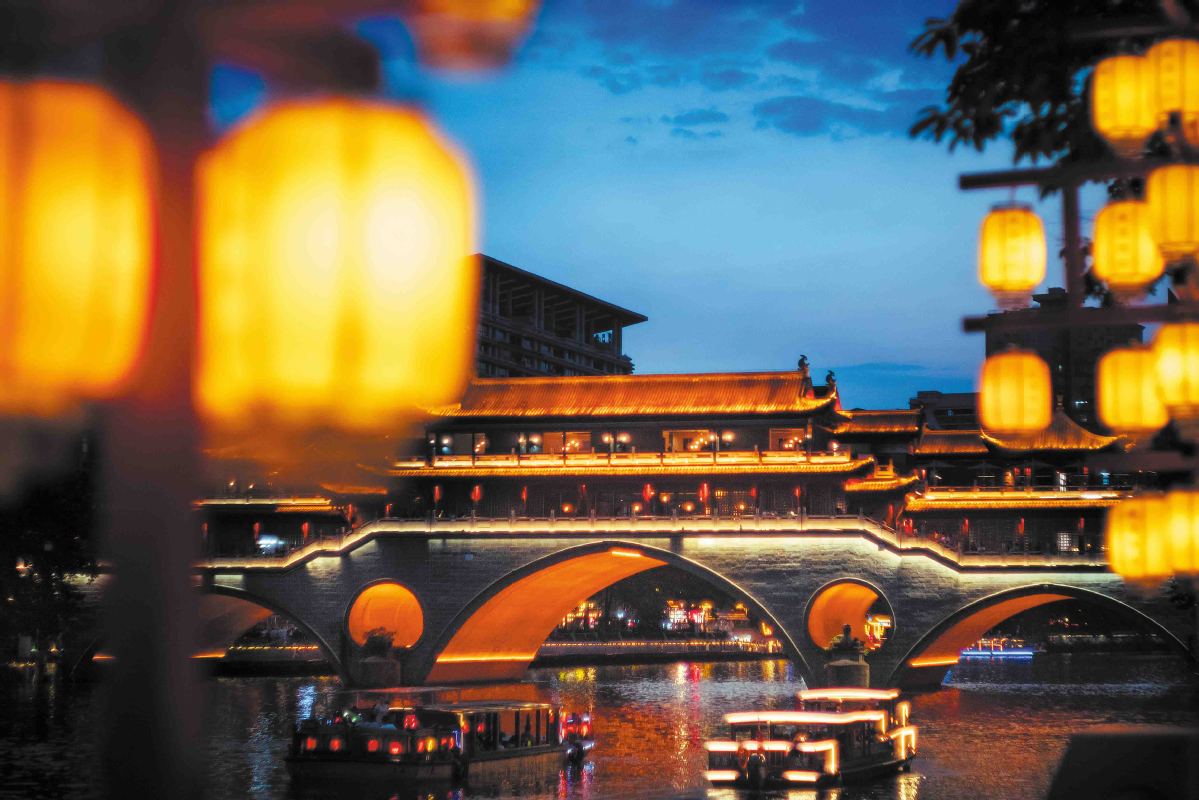
Tourists take cruises to enjoy landmarks on both sides of the Jinjiang River in Chengdu, Sichuan province, on Aug 20, 2025. [Chen Han/For China Daily]
Chengdu: The Unchanging Capital of the Land of Abundance - A Legacy of Innovation and Leisure
Chengdu's uniqueness lies in its remarkable stability and continuity; it has thrived in the same location for over 2,000 years, serving as the political and economic hub of southwestern China for kingdoms like Shu Han. Its enduring prosperity is largely thanks to the Dujiangyan Irrigation System , a UNESCO-listed ancient engineering marvel that tamed the rivers and created the fertile "Land of Abundance." From the mysterious bronze masks of the Sanxingdui culture to the relaxed teahouse culture and the globally adored giant pandas, Chengdu masterfully blends profound historical depth with a famously laid-back and prosperous lifestyle, creating an atmosphere that is both captivating and uniquely its own.
The administrator of this group reserves the right, along with the site moderators, to moderate all and any postings to this group, including the right to enforce the ToS, the CoC, and also including anything that the administrator deems within his sole discretion to be offensive or off topic, with the power to delete in exercising those rights.
It would be best, therefore, to be civil in posting on this group.
By now it should be well known that I am unable to open certain videos and pictures. If I cannot, I will ask that they be described and explained. If the poster refuses to comply, their comment will be deleted. Instagrams are banned.
Tags
Who is online

124 visitors
Over the years I have been in China I have been to 7 of the 10 capitals noted in the article, lived in 2 of them, and seen and photographed many of the places, attractions and items mentioned in the article, and posted photos of them on NT.