
Temple of Heaven: The enduring architectural heart of Beijing

By: By Wang Kaihao

BUZZ NOTE: This article contains a video. To watch the video click on the SEEDED CONTENT link, and then click on the ARROW in the middle of the image.
 S E E D E D C O N T E N T

Temple of Heaven: The enduring architectural heart of Beijing
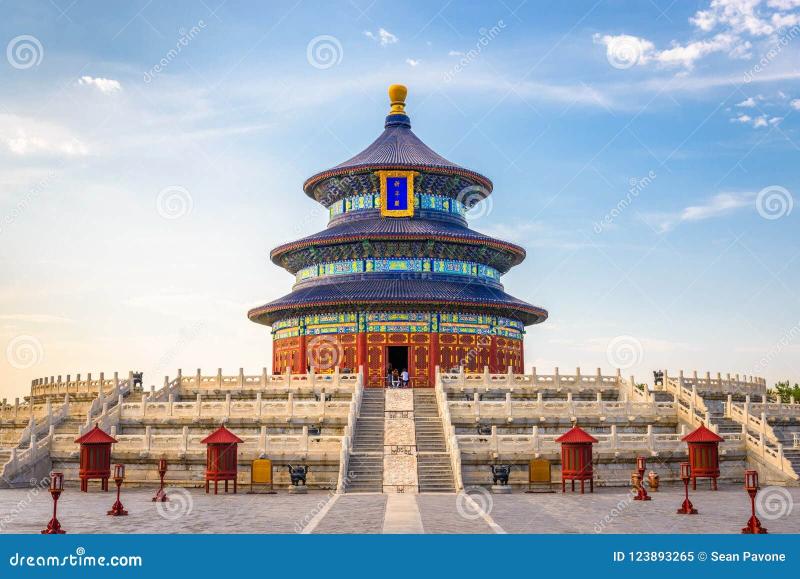
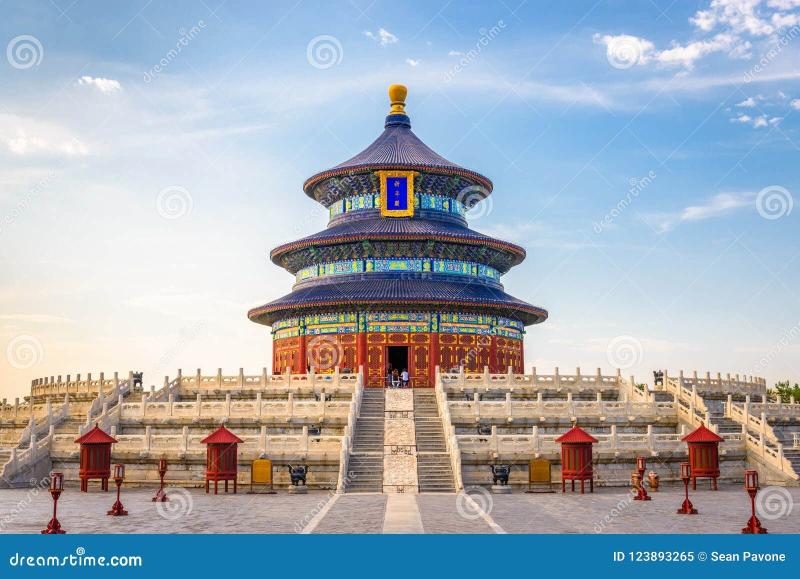
The Temple of Heaven, known in Chinese as Tiantan, is an iconic symbol of Beijing.
Traveling in the city, its image is ubiquitous. People can see it on metro cards, bank signboards and hotels as well as on the logos of public facilities and conferences. It even lends its name to the Tiantan Award, the highest honors of the Beijing International Film Festival.
First built in 1420, the year when the third emperor of the Ming Dynasty (1368-1644) Zhu Di moved the national capital to Beijing, this key ceremonial architecture complex in the south of the historical neighborhood of the city has endured the strength of time and a country's history full of vicissitude.
Following numerous meticulous renovations, today the Temple of Heaven stands mighty along the Central Axis of Beijing as a majestic architectural ensemble that embodies the ideal order of the Chinese capital.
The Hall of Prayer for Good Harvests, a core part of the Altar of Prayer for Grain complex in the north of the compound, is the main structure of the Temple of Heaven. Through symbolic design, it is not only a place for rituals but also an architectural manifestation of ancient Chinese philosophical thought.
The hall's exquisite caisson ceiling features a dragon and a phoenix, the auspicious totems in Chinese culture, flying over zenith of the heaven.
The hall is renowned for its 28 massive pillars, which are arranged and numbered to hold deep cultural significance.
They are arranged in three circles. The innermost circle consists of 4 main pillars, symbolizing the four seasons of the year. The middle circle has 12 pillars, representing the 12 months of the year. The outermost circle also has 12 pillars, symbolizing the 12 traditional Chinese hours of the day. The 24 pillars of the middle and outer circles represent the 24 solar terms, the seasonal marks of the Chinese calendar.
The overall 28 pillars correspond to the 28 Mansions of ancient Chinese astronomy, a system used for celestial observations and calendar-making.
The administrator of this group reserves the right, along with the site moderators, to moderate all and any postings to this group, including the right to enforce the ToS, the CoC, and also including anything that the administrator deems within his sole discretion to be offensive or off topic, with the power to delete in exercising those rights.
It would be best, therefore, to be civil in posting on this group.
By now it should be well known that I am unable to open certain videos and pictures. If I cannot, I will ask that they be described and explained. If the poster refuses to comply, their comment will be deleted. Instagrams are banned.

Tags
Who is online



126 visitors
The Temple of Heaven was chosen as a backdrop for photos of Presidents Trump and Xi Jinping taken during Trump's present visit to Beijing.
When I visited the Temple of Heaven, I took this photo of it.
Not worth the time spent, EVEN with Trump as a part of it.