
Inequality was huge before coronavirus. The stock market is making it worse


 S E E D E D C O N T E N T
London (CNN Business)The gap between the world's rich and poor is expected to grow due to the pandemic, and a stock market high on government and central bank cash bears much of the blame.
Research shows that stock ownership is highly concentrated among the rich, with the wealthiest 10% of US households owning 84% of all stocks in 2016, the most recent year for which the Federal Reserve has released data. That means the S&P 500(INX) index's massive gains over the past 12 weeks are likely to have disproportionately benefited the haves over the have-nots, exacerbating inequality as Main Street reels from a brutal economic shock that's triggered the worst unemployment crisis since World War II. The index dropped sharply last Thursday as investors reevaluated risks to the outlook, but it's still up nearly 40% since its low on March 23. "A rising stock market, especially at a time of high unemployment and stagnant labor incomes, will disproportionately benefit richer households," said Eswar Prasad, an economist at Cornell University. US stock prices have increased thanks to unprecedented support from the Federal Reserve, trillions in government stimulus and optimism over a quick economic recovery, and there's some evidence that smaller investors have driven the rally. Even so, the Americans that have been hurt the most by the pandemic are unlikely to benefit directly from the recent snap back. That disconnect could feed social unrest, as socioeconomic and racial divides become even more pronounced.
How stocks feed inequality
In 2019, the richest 1% owned 45% of the world's wealth, according to a report from Credit Suisse. Stock ownership was an important factor. After the dot-com crash in the early 2000s, middle class families exited the stock market, according to Edward Wolff, a professor at New York University who focuses on wealth disparity and analyzed the 2016 Fed data. Facing ongoing financial pressure, many never returned, while the wealthy held onto their shares. "Median family income hasn't really budged for 20 years," Wolff said. "There's a lot of financial stress on the middle class so they haven't really expanded their stock holdings." In the United States, the disparity also plays out along demographic lines, according to a 2017 report from the Federal Reserve. More than 60% of white families own stocks, either directly or through a retirement account, compared with around 30% of black and Hispanic families. Stocks aren't the only way to grow wealth. But higher-income households tend to save more, giving them greater opportunities to invest. These households can then leverage their returns on assets like stocks to keep growing their portfolios, according to the Fed.
This creates a "feedback effect" that helps the rich keep expanding their holdings. Households with a net worth above $500,000 now have almost 16 times the stock and mutual fund holdings of households worth between $50,000 and $100,000, according to an analysis from the Securities Industry and Financial Markets Association in October. These households on the upper end of the spectrum have nearly 80 times the stock and mutual fund holdings of households worth between $25,000 and $50,000. Stock market gains have poweredthe cycle. Whilemiddle-class incomes have remained stagnant, the value of stocks has skyrocketed, helped by easy money from central banks like the Fed and a glut of shareholder rewards. The S&P 500 has increased by 172% since 2002, while the Nasdaq has shot up more than 400%. One reason: Between 2008 and March 2020, companies have spent nearly $7.1 trillionon share buybacks that have boosted stock prices, according to Birinyi Associates.A big corporate tax cut by the Trump administration in 2017 was spent by many companies buying back their own shares. Proponents argue that buybacksand dividends trickle down to regular workers, since stockholders can reinvest higher earnings in the real economy, while critics think that money should go to longer-term workforce investments, such as higher wages and retraining employees.
The coronavirus effect
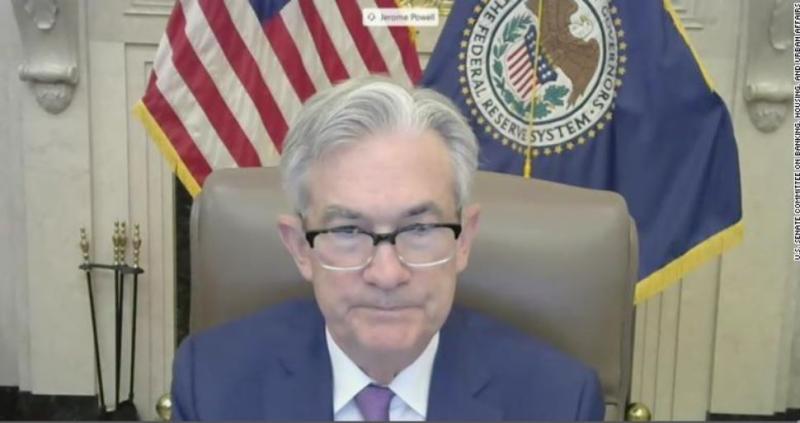
After plunging in March, stocks have gained at a record clip as central banks pledged trillions of dollars in an unprecedented intervention to prop up markets and the economy. That's helped those who are most likely to own stocks. Between March 18 and last Thursday, US billionaire wealth increased by $637 billion, an increase of more than 21%, according to a report from the Institute for Policy Studies, a progressive think tank. Meanwhile, the economic outlook appears dim. Tens of millions of workers around the world remain unemployed during the worst downturn since the Great Depression, and the most vulnerable communities — including women and black and Hispanic Americans — have been hit the hardest. "Those least able to withstand the downturn have been affected most," Federal Reserve Chair Jerome Powell told the Senate Banking Committee on Tuesday. "If not contained and reversed, the downturn could further widen gaps in economic well-being that the long expansion had made some progress in closing." Federal Reserve Chair Jerome Powell testifies before the Senate Banking Committee on Tuesday. Many people who have lost their jobs since March are unlikely to have participated in the S&P 500's dramatic rally. Overall, only 55% of Americans own stock, according to the most recent poll by Gallup. "Households that are getting hardest hit during this recession, particularly those with low-paid and low-skilled workers, tend to have small or nonexistent buffers of savings, which means they receive few benefits from resurgent stock prices," Prasad said. Plus, some companies have opted to maintain their dividends while laying off workers. BP(BP), for example, is giving investors their payout for the first quarter but announced last week that it would cut 10,000 jobs by the end of this year.
The consequence, though, is that inequality drummed up by the stock market over the past two decades won't improve through this crisis. It's only expected to get worse, which could contribute to the widespread anger and discontent that's helped fuel the Black Lives Matter protests. "While there is nothing wrong with traders and investors profiting from timely and smart speculative activity, the growing disconnect between the economy and equity markets is going to cause increased social tensions," said Joseph Brusuelas, chief economist at the auditing firmRSM.

Tags
Who is online
95 visitors
The 600 dollar per week coronavirus bonus paid to those on unemployment benefits will end in mid July. Some think subsequent hardship could lead to social unrest if unemployment stays high through the rest of the year.
I hope they take out their frustration at the voting booth.
-
40% of those who lost their jobs due to the coronavirus effect on businesses are people who were making 40,000 dollars a year or less. Such people generally have no savings to fall back on.
It's funny how conservatives do not at all address what is clearly laid out in the article.
They either talk about themselves , or they belittle those who are not getting rich from the stock boom as "losers" or whatever.
When a society has an economic system geared to the enrichment of a small slice of the population , inevitably at the expense of everyone else, it is sowing the seeds for civil unrest.
We should start with a tax on stock market transactions, and use the money collected for social programs that benefit everyone.
We don't want socialism or communism JR
It's never worked out for the common good anywhere that it has been tried.
Even in those systems, the money, like cream, always rises for and to the top few percent.
If working, doing a little extra, saving and investing did not put you in a better position people would not do it