
Gas Prices Continue to Rise, But Are Shoppers Actually Shifting to Electric Vehicles?

By: Jessica Caldwell (edmunds)

 S E E D E D C O N T E N T

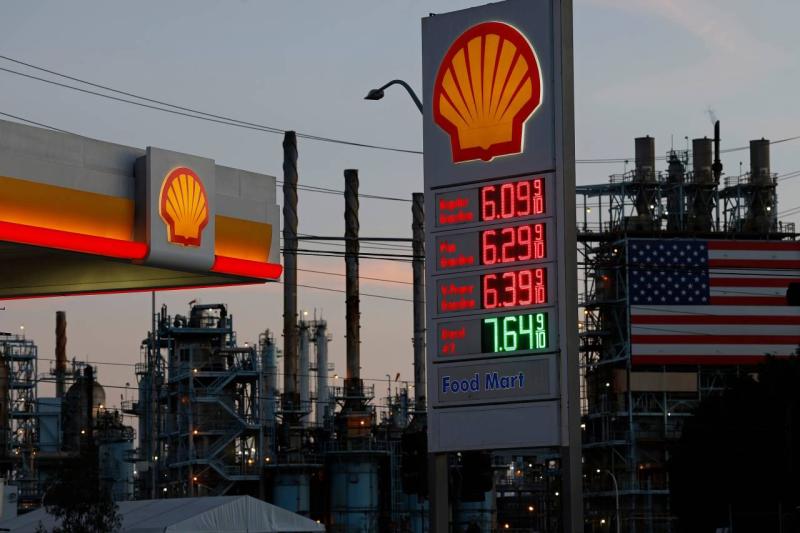
- Average U.S. gasoline prices have climbed above $4 per gallon amid the conflict in the Middle East.
- Early Edmunds data shows gas spikes are nudging EV interest upward but not driving major conversions.
- It’s still early, and many consumers aren’t yet in a position to switch, even as higher fuel costs linger in their minds.
There's a long-standing assumption in the auto industry that higher gas prices push consumers toward more fuel-efficient and electric vehicles. The recent oil price spike tied to the conflict in the Middle East offers the latest opportunity to witness car shopper consideration vs. purchase behavior play out in real time.
While it's still early and sales data tends to lag, initial transaction signals point to a more tempered response — suggesting that even in a higher-cost fuel environment, gas prices alone may not be enough to drive a smooth path to EV adoption.
And so far, consideration data on Edmunds supports that view.
Consideration is defined as research activity on Edmunds.com that occurs on a make/model/model year level, i.e., engaging with photos or reading Edmunds expert reviews on a model year page, looking at inventory listings, or submitting a lead to a dealer.
Electric Vehicle Consideration Share on Edmunds
| August 2025 | 11.3% |
|---|---|
| September 2025 | 11.8% |
| October 2025 | 9.0% |
| November 2025 | 9.2% |
| December 2025 | 9.8% |
| January 2026 | 9.6% |
| February 2026 | 9.6% |
| March 2026 | 11.6% |
EV consideration has edged higher on Edmunds, but the increase is modest — especially when compared to the surge seen in 2022 following the Russian invasion of Ukraine, when fuel prices triggered a more substantial shift in consumer behavior. Even then, increased interest didn't translate into instant sales. EV market share climbed from 4.4% to 5.2% between March and June of that year before leveling off, influenced by factors other than gas prices.
Lag matters, but understanding the underlying drivers of demand is even more critical.
Over the past year, the EV market's most significant growth moment wasn't tied to fuel costs at all. Instead, it came ahead of the federal tax credit expiration, which temporarily pushed market share higher as buyers rushed to take advantage of the $7,500 incentive before it ended in September last year. When that deadline passed, the market gave much of it back. The result was less of a sustained step forward and more of a classic pull-forward effect, followed by a hangover. Regional incentives, vehicle availability, and charging infrastructure also play important roles in shaping EV demand, alongside the national tax credit and fuel costs.
Electric Vehicle Market Share in the U.S.
| January 2025 | 8.3% |
|---|---|
| February 2025 | 7.6% |
| March 2025 | 7.1% |
| April 2025 | 6.4% |
| May 2025 | 6.7% |
| June 2025 | 7.2% |
| July 2025 | 8.1% |
| August 2025 | 9.5% |
| September 2025 | 11.5% |
| October 2025 | 5.8% |
| November 2025 | 5.0% |
| December 2025 | 5.8% |
| January 2026 | 6.5% |
| February 2026 | 6.0% |
| March 2026 | 6.2% |
What we're seeing now in 2026 looks different. EV market share has settled back into a narrower range, and while growth isn't accelerating, it also isn't collapsing. That stability may ultimately be a healthier signal for the industry. It suggests the market is beginning to normalize, with demand driven less by short-term incentives or external shocks and more by consumers who are genuinely ready to make the switch.
For an industry long accustomed to viewing gas prices as a key catalyst to changes in shopping behavior, that shift could have weighty implications. EV adoption may depend less on volatility at the pump and more on fundamentals like affordability, access to charging, and consumer confidence.
Affordability continues to challenge households nationwide, and high vehicle prices mean many consumers aren't in a position to switch to an EV today. The average transaction price of a new electric vehicle in March 2026 was $56,170, compared to $45,092 for the rest of the industry. Still, the psychological impact of high fuel costs can linger, shaping future decisions and keeping electrification top of mind when buyers are ready.
Edmunds says
Today's rising gas prices may frustrate consumers, but their impact on EV adoption, at least so far, is subtle — nudging behavior gradually rather than triggering an immediate surge. Frustration at the pump alone won't sell electric vehicles — adoption depends on whether consumers are ready, not just resentful.
Be a good human. Grossly derogatory comments, blatantly inflammatory comments, excessive trolling, mean-spirited taunting and insults, scamming, spamming, and off topic comments may be removed in compliance with the site's Terms of Service and the Code of Conduct. The moderators have the final word.

Tags
Who is online
135 visitors
Range is not the only hurdle EVs must overcome. Price, convenience, and reliability are also factors. The fact that EVs have a market life comparable to an iPhone is another hurdle.
An ICE vehicle can stay on the road as long as parts are available. But the service life for an EV is limited by software support. And the typical service/support for software does not inspire confidence.
Not if the industry gets to control everything as they always have, but Trump killed the rebates and tax credits, therefore the incentive is gone along with clean air guidlines and MPG guidelines, because trump doesn't like windmills?
The government picking up part of the tab doesn't make EVs less expensive. In fact, the government subsidies likely contributed to the ballooning costs of EVs.
Just like everything else that the government has gotten themselves into. Just look at where college tuition has gone to since government got into the business of student loans.
Because of what Trump did to Ford without communicating with the Big Three, I have hundreds of brand new Ford branded charging stations available that were at the time intended for the new PRO Centers that many Ford dealers were coerced into building as part of the branding and modernization of CONUS Ford dealerships.
Each dealership was allotted so many charging stations for their own sales lots, service departments and Collision centers.
With the collapse of government support for EVs, Solar and Wind, the dealerships balked at the cost of installing so many chargers for the now uncertain future of EVS.
they were originally $16K plus delivery and installation.
Most are holding them in storage for a friendlier Administration and Congress
.
They put a huge 50 spot Tesla charging station in near me. Everyone joked it would be unused. As soon as it opened there were long lines. It is full up 24-7 with cars waiting for availability. Judging by the limo drivers at the car wash high end livery service is already over 50% electric in NYC, especially Ubers...
I think one factor causing reluctance would be concern about available charging stations. China does not have that problem:
This Administration fucked Ford, GM & Stellantis by pulling the plug on tax rebates for EVs.
This Administration doesn't care what you have to breathe after he is dead, they trashed the Clean Air Act and sued CA fo not coorperating.
Trump doesn't care that he probably is making a Chinese EV manufacturer the largest auto manufacturer.
The average commute in Philadelphia was 10 miles, now supposedly less than 18 miles. Perfect for the first BYD dealerships selling inexpensive electric cars to new generations that don't remember grandpa's favorite Buick.
While they are advertising 97 countries already, plans for the US are on hold except for the existing electric bus company operating in Las Angeles.
100% tariffs by the Trump Administration have pushed BYD To look for bargain manufacturing facilities in Mexico to bring them closer to the Mexico South America market and potentially beat the tariffs if they make US models comply to standard American safety metrics.
They are essentially in a geopolitical holding pattern in the USA while their popularity is soaring in Mexico and Europe.