
10 Things You Should Never Put In The Microwave

By: Katie Rosenhouse (Southern Living)

 S E E D E D C O N T E N T

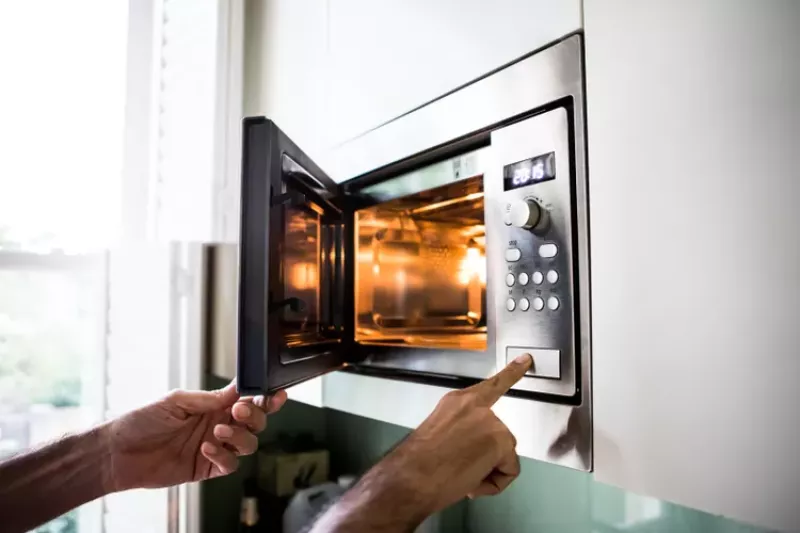
Microwaves are one of the most convenient tools in the kitchen—perfect for reheating leftovers , melting butter, or even whipping up quick meals. But as versatile as they are, certain foods and materials just don’t belong in a microwave . In these cases, you may end up with messy accidents, ruined dishes, or even safety hazards .
Here’s a guide to what you should never put in the microwave and why.
Why Some Items Don’t Belong in the Microwave
Microwaves work by using electromagnetic waves to heat water molecules in food. That’s what makes them work so quickly, but it is also the reason items with too little moisture, an uneven composition, or certain materials can be unpredictable if heated in the microwave. These types of ingredients and containers can overheat, melt, warp, or even spark. Understanding these risks can help prevent accidents and ensure your food comes out of the microwave safe and tasty every time.
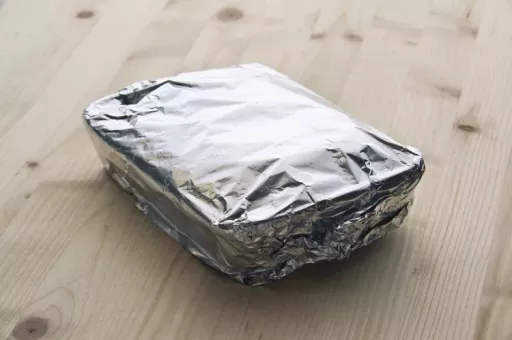
Metal or Aluminum Foil
Metal and microwaves just don’t mix. When placed inside, metal can reflect the microwave’s energy instead of absorbing it, which can lead to sparks or even small fires. Even thin pieces of foil can cause damage.
If you’re attempting to reheat leftovers, transfer food to a microwave-safe dish first, ideally one with a microwave-safe cover to prevent splatters and keep moisture in.
Styrofoam Containers
Not all takeout containers are microwave-safe, and Styrofoam is one of the biggest offenders. When heated, it can warp, melt, or release chemicals into your food. To be safe, always move food from Styrofoam into a glass or microwave-safe plastic container before reheating.
Paper Bags
Paper bags might seem harmless, but they can be a fire risk in the microwave. Unlike microwave-safe paper products such as paper towels or parchment paper, regular bags can overheat or ignite. They might even release fumes or chemicals as they heat.
Breast Milk or Baby Formula
While it might seem like the easiest method, microwaving breast milk or baby formula is not recommended. The microwave can heat liquids unevenly, creating hot spots that can cause burns and safety issues. Overheating can also degrade nutrients in breast milk.
Instead, warm bottles by placing them in a bowl of warm water and gently swirling to distribute the heat evenly.
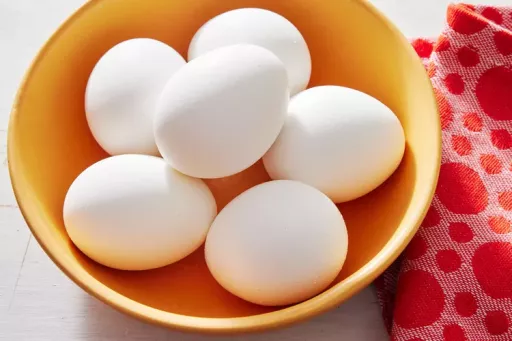
Eggs in the Shell
Putting a whole egg in the microwave is an explosion waiting to happen. As they heat, steam builds up inside, and can cause them to explode. If you want to microwave eggs, crack them into a microwave-safe container first, then heat.
Whole Potatoes Without Piercing
Whole potatoes have a similar issue. Microwaving a whole potato without poking holes first allows steam to build up, which can cause the potato to burst. Always pierce potatoes with a fork before microwaving to release steam safely.
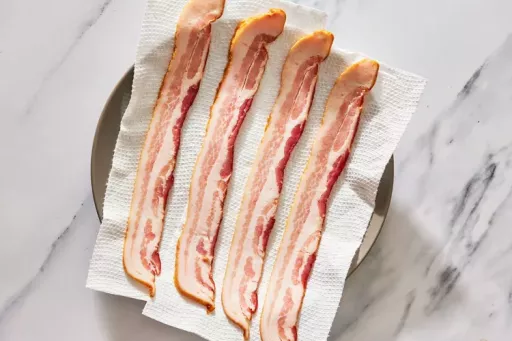
Processed Meats
Processed meats like hot dogs, deli meats, or bacon contain additives like sodium nitrite, which can form potentially harmful compounds when microwaved. Uneven fat and water distribution can also make them curl, pop, or dry out in the microwave. For better results, cook processed meats on the stovetop or in the oven before enjoying.
Leafy Greens
Microwaving leafy greens may seem harmless, but very dry greens can spark or smoke. Even with added moisture, they may cook unevenly and wilt in an unappealing way. For better control over texture and flavor, cook leafy greens on the stovetop or in the oven.
Hot Peppers
Microwaving hot peppers can release capsaicin (the compound that makes them spicy) into the air. When you open the microwave door, this vapor can irritate your eyes, throat, and lungs, similar to pepper spray. For a safer option, cook hot peppers on the stovetop using your range hood or an open window for proper ventilation.
Leftover Breaded or Fried Foods
Reheating breaded or fried foods in the microwave isn’t dangerous, but it usually just makes them soggy. Moisture trapped in the coating prevents crispiness. To restore their crunch, it’s better to use a preheated oven, toaster oven, or air fryer instead.
Microwaves can make a multitude of tasks easier, but knowing what not to put inside is key. Avoiding these common mistakes keeps your food safe, your microwave intact, and your meals tasting their best.

Remember the Golden Rule, be a good human. We're here to relax and chat, so let's keep it civil and fun. Please, remember to quote the person(s) you are replying to as a courtesy so everyone can follow the conversation. Grossly derogatory comments, blatantly inflammatory comments, excessive trolling, mean-spirited taunting and insults, scamming, spamming, and off topic comments may be removed in compliance with the site's Terms of Service and the Code of Conduct. The moderators have the final word and may remove comments at their judgement (or lack thereof).
Past performance does not guarantee future results. Comment at your own discretion. The owners of the site, the owner of this group, and the moderators are not responsible or liable for any stupid thing you do. You break it, you buy it. No shirt, no shoes, no service. Don't poke the bear. Mind the gap.

Tags
Who is online

158 visitors
Offhand I can think of a few more things that don't belong in there. Bet you can, too.
Hamsters?
A LOOOONG time ago, when I was single I tried to cook a frozen turkey in a microwave....it ended poorly.
I once microwaved a horse fly. He flew around in there for about 10 minutes.
How did it taste after being cooked?
(Or are horse flies tastier when eaten raw?)
I've never seen a horse fly. I saw one piss though. It was impressive.
Good advice. However, i once tried to heat up French fries, but they got harder, not soggier.