
Religious Freedom Day: Recovering our first freedom after a rough 2020

By: David Closson
Religious liberty is our first freedom. It is clearly protected by the 1st amendment. It is the key freedom upon which all other freedom is dependent. If is the key to all of our American inalienable God given rights. Blue city mayors and blue state governors have been willfully almost gleefully trampling upon religious liberty. Unreasonable demands, deliberate discrimination compared to other groups, and more under the cover of emergency powers using a pandemic to do what deep down they always wanted to do to believers but couldn’t. Today is religious freedom day so let’s not only celebrate it but act to recover our religious liberty from the secularists who would trample upon us.
 S E E D E D C O N T E N T
Religious Freedom Day: Recovering our first freedom after a rough 2020
For nearly three decades, the United States has observed January 16 as Religious Freedom Day. America’s “First Freedom” has historically enjoyed near-universal and bipartisan support. Nevertheless, contemporary challenges to religious freedom do exist.
 Courtesy of David Closson
Religious Freedom Day was adopted in honor of the country’s first religious freedom law, the Virginia Statute for Religious Freedom of 1786. Drafted by Thomas Jefferson, the statute formally disestablished the state church and allowed Virginians to worship freely. It was a precursor to the First Amendment of the U.S. Constitution.
When Jefferson drafted the Virginia Statute for Religious Freedom, his proposal was radical. In an era when the government regulated and monitored the church’s liturgy and doctrine, it was bold to assert that religion was inherently a matter between an individual and God. But Jefferson’s bold assertion was the correct one, and for over 230 years, Americans have enjoyed the blessings of living in a country where the state recognizes it has no business interfering with man’s quest for religious truth and that God, not the government, is Lord of the conscience.
However, this past year, religious freedom has experienced an unprecedented challenge in the form of government mandates and restrictions placed on houses of worship during the COVID-19 pandemic.
The types of restrictions ranged widely, from the reasonable to the unconstitutional. Examples of the latter included New York City Mayor Bill DeBlasio threatening to “permanently” shut down churches and synagogues that did not comply with the city’s restrictions and Nevada prohibiting churches from admitting more than 50 worshippers —despite casinos being allowed to admit 50 percent of their maximum occupancy. A few restrictions have been struck down by the U.S. Supreme Court, including California Governor Gavin Newsom’s executive order barring churches from holding indoors services ( struck down in December) and New York Governor Andrew Cuomo’s prohibition of church gatherings exceeding 10 or 25 people ( struck down in November).
It is important to recognize that most local and state officials were doing their best to protect their citizens’ health and safety. This same protective impulse led most churches to voluntarily cease in-person worship services in the spring, during the initial wave of the pandemic. By the end of March, 99 percent of churches were not meeting. Instead of flouting the government’s orders and continuing to meet in large groups, churches adapted to serve their communities and congregations in creative ways.
However, when businesses, casinos, tattoo parlors, and even abortion clinics began re-opening in the summer, many houses of worship — especially those in Democrat-controlled cities and states — were not allowed to re-open or to re-open at the same capacity as non-religious businesses, even if they abided by CDC guidelines. In many localities, these strict re-opening policies seemed to single out churches for unfair treatment. As a result, many churches sued over what they believed were unconstitutional and overreaching mandates from the authorities.
The events of 2020 posed challenges to nearly every sphere of life; however, the challenges to religious liberty were unique. At no other time in American history have churches throughout the country been told to shut down for nearly a year. Moreover, churches were clearly held to a more restrictive standard. What accounts for this unfair treatment? Why were churches subject to so much scrutiny and treated with suspicion throughout the pandemic?
The erosion of our culture’s high view of religious freedom is a major contributing factor. Only a generation ago, religious freedom enjoyed nearly unanimous, bipartisan support. Today, religious freedom is increasingly seen as a political issue. Many Americans no longer respect or understand the importance of religious freedom and are therefore more willing to restrict religious expression.
A second contributing factor is religion’s fading influence on personal and public life. The percentage of Americans holding to the tenets of the Christian faith has shrunk , while the percentage of “religiously unaffiliated” Americans has grown. Thus, it is easier to dismiss services and other forms of worship as nonessential.
It is important to remind our fellow Americans that religious freedom is a fundamental value that undergirds the other freedoms we enjoy. Contrary to a popular misconception, it is not a license to do whatever we want or to arbitrarily discriminate. Instead, religious freedom says people have the right to believe what they want in terms of theology and doctrine and can order their lives in a way that brings their life into conformity with these beliefs.
In 2020, President Trump marked Religious Freedom Day by noting , “Our Founders entrusted the American people with a responsibility to protect religious liberty so that our Nation may stand as a bright beacon for the rest of the world.”
Unfortunately, too many elected officials failed to honor and protect religious freedom in 2020. It is imperative that America recommits to upholding our “First Freedom” and ensures that all Americans — religious and nonreligious — are free to order their lives according to their deepest convictions.
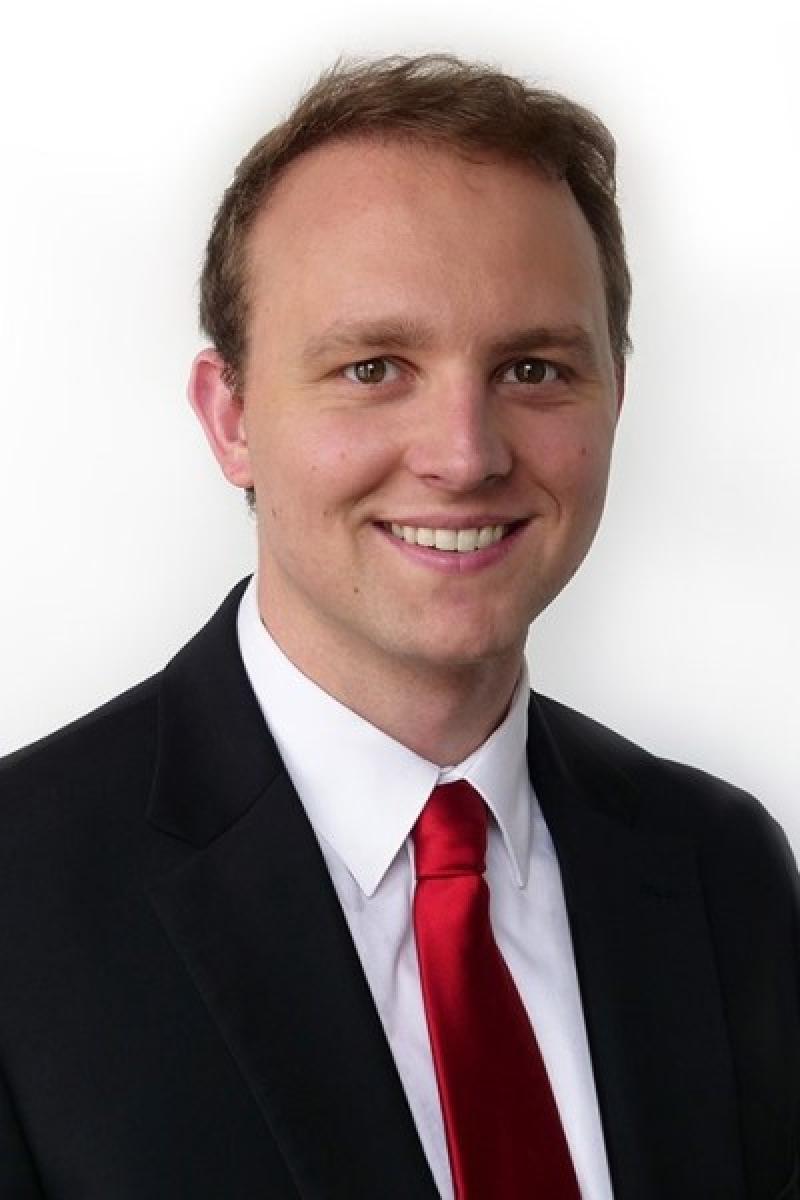
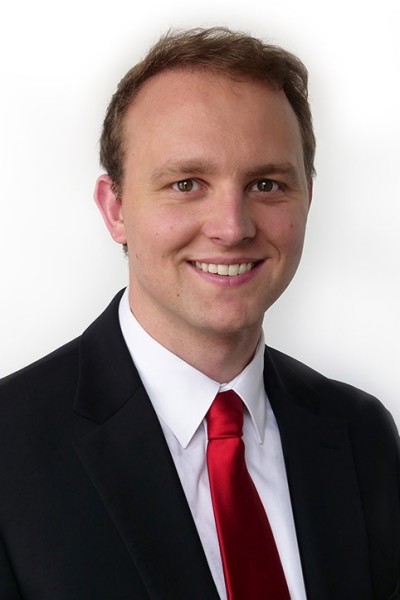
David Closson is the Director of Christian Ethics and Biblical Worldview at Family Research Council.
Tags
Who is online

78 visitors
"Many people are saying" that White Christian Males are the most persecuted people in America!
I wonder how many of those "many people" are white Christian males?
boo hoo hoo, there's been no cash to skim from the collection plates.
That's ok. The government still gets to skim.
Trying to turn sensible pandemic restrictions of large gatherings into religious freedom victimhood is just stupid. No, religious freedom isn't under attack, no rights have been taken from religious Americans and they can worship whoever they want however they want, they simply can't do it irresponsibly by gathering large numbers of people indoors in one room. Go have your church meetings out on the church lawn and ask everyone to wear a mask, what is so hard about that?
Hell, have a zoom meeting or a prerecorded sermon or whatever. It seems to me there are numerous ways around this.
Actually, the author allowed that some restrictions were reasonable. No one is complaining about the reasonable ones. It's the unreasonable and unfair ones that are a problem.
Then they should have just stuck to their opinion that the restrictions were unfair instead of turning this into some sort of religious freedom bullshit narrative. No one is attacking religion through these restrictions, the false equivalencies between church gatherings of hundreds of people in indoor close quarter settings reasonably cut down to 50 people versus the 50% capacity of massive high ceiling well ventilated casinos is just ridiculous and disingenuous. Every business is hurting from the restrictions and everyone is trying to come up with reasonable compromises between public safety and financial survival, churches included because let's face it, they're just another struggling business like so many others, from restaurants to hair salons.
Give it up, D.P. If they want to infect and kill each other and add to the hundreds of thousands who have already died, let them have the freedom to do it. It's no loss to the more intelligent people in America. As Ebeneezer Scrooge said, it will reduce the excess population.
Contrary to the belief of some, the government is only stopped from having any state sanctioned religion.
It does not give religion the freedom to run roughshod over the rest of the population. Nor does it give religion any freedom not afforded the rest of the population, nor does it gives religion cart blanch to skirt laws the rest of the population have to follow.
Yeah, because your super spreader events to pray to a magical fairy exacerbates a public health crisis. I am sure Tinkerbell will understand you just praying from home rather than in another building.
We still need to be mindful of our rights and fight for them. On what seems like a daily basis, government officials pursue the agenda they have without a thought for restraining themselves for the sake of our rights.