
How ancient Chinese clothes helped beat the summer heat

By: Shen Ruofan
 S E E D E D C O N T E N T

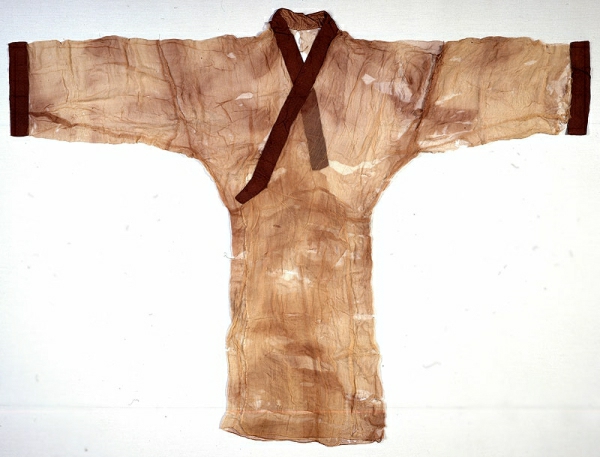
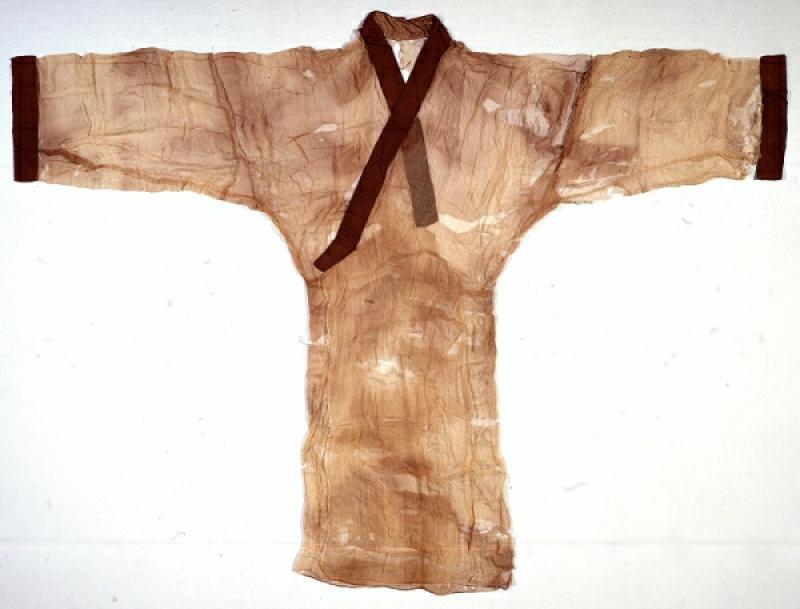
The sha gown unearthed from Han Tomb No.1 at Mawangdui in Changsha, Hunan province in 1972. [Photo/Hunan Provincial Museum]
As the scorching days of summer descend upon China, modern people tend to embrace clothing characterized by lightness and thinness. But this is not as new a trend as one might think. Unlike the elaborate attire often depicted in TV series, ancient Chinese wore clothing that was lighter and thinner than modern imaginations can fathom.
Ancient stories vividly portray the lightweight clothing worn during summer. One tale recounts an encounter in the Tang Dynasty (618-907) where an Arabian merchant came across an official donning a gauzy garment. Astonishingly, the merchant could discern a mole on the official's chest through five layers of clothing.
If imagination is too taxing, let us explore some examples of summer clothing from ancient China.
Sha Gown
A sha (plain gauze) gown was unearthed from Han Tomb No.1 at Mawangdui in Changsha, Hunan province, in 1972. It is the earliest, most well-preserved, most exquisite and thinnest dress in the world. The plain gown, “thin as a cicada wing” and “light as smoke”, weighs 49 grams. It is only 25g with the sleeve openings and collar removed and can be folded into a matchbox. This piece represents the highest level of early Han in silk reeling and fabric manufacture.
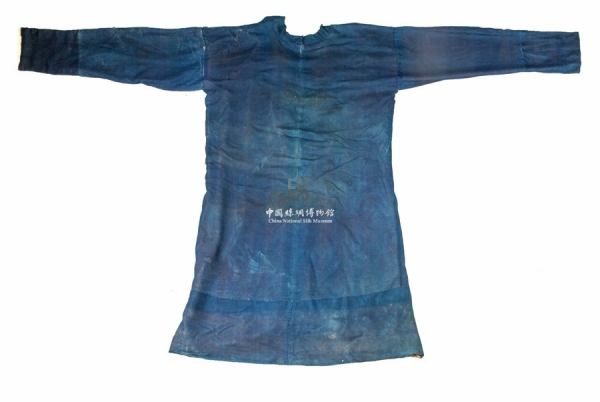
A dark blue luo robe from the Tang Dynasty. [Photo/China Silk Museum]
Luo Robe
Well-suited for the humid southern regions of China, luo (gauze) has larger holes in the fabric compared with sha, making it more lightweight and breathable. From the Han Dynasty (206 BC-AD 220) to the Tang (618-907) and Song (960-1279) Dynasties, luo was predominantly used for the clothing of the nobility, and only officials of fifth rank or higher were permitted to wear garments made of the material.
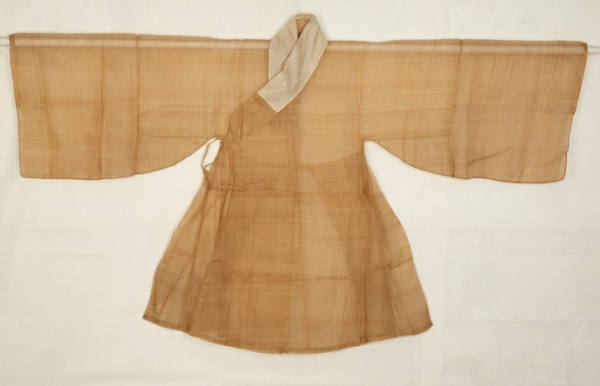
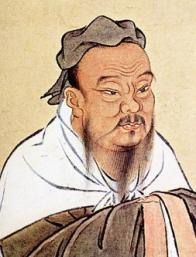
A natural-colored ge robe from the Ming Dynasty (1368-1644). [Photo/Confucius Museum]
Ge Clothes
Silk fabrics such as sha and luo were highly valued and deemed luxurious for common people. However, resourceful individuals discovered a method to utilize plant fibers for clothing production, significantly reducing the cost of summer garments. Ge, also known as kudzu or Chinese arrowroot, represents the earliest utilization of natural fiber as fabric in China. Once the lunar month of June arrived, people would typically transition to ge clothing.

A painting depicts scenes of ancient women producing and weaving ma in the Tang Dynasty. [Photo provided to chinadaily.com.cn]
Ma Clothes
Among the fabrics used for summer clothing in ancient times, ge cloth was known for its quality and affordability. However, fabric made from the herbaceous plant "ma" offered an even better combination of quality and cost-effectiveness. Hemp, flax, ramie and jute are collectively called “ma”, and the word is also used to refer to these materials when the exact species is unknown.
Since the Han Dynasty, ma has been cultivated on a large scale, making the cloth inexpensive. The advancement of textile technology allowed ma cloth to be woven finely. It is breathable and easy to dye, making it a commonly used fabric for summer clothing.

A piece of bamboo clothing from the Qing Dynasty (1644-1912). [Photo/VCG]
Bamboo Clothes
Throughout ancient times, bamboo products were favored as effective tools for staying cool during the summer. Bamboo mats and bamboo pillows provided reliable comfort. People also used small bamboo tubes to create a net-like garment, serving as a means to prevent sweat.
The history of bamboo garments can be traced back to the Tang Dynasty, when China saw the emergence of bamboo gauze, a fabric woven from slender bamboo strips. In the later period of the Qing Dynasty, bamboo garments became widely popular and were even offered as tributes for the royal family.
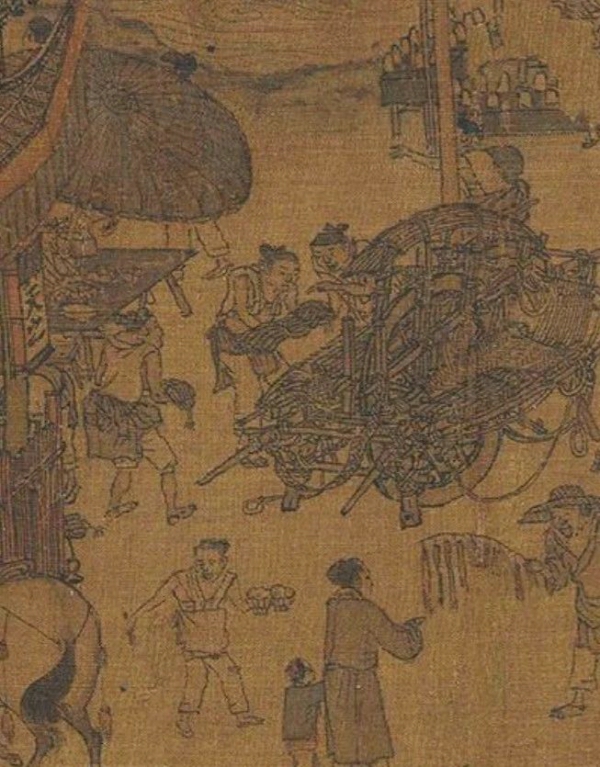
A man wearing liangdang in the painting "Along the River During the Qingming Festival". [Photo/The Palace Museum]
Liangdang
A classic style of costume emerged during the Southern and Northern Dynasties (420-581). Liangdang consists of front and back pieces, later called the vest. It was convenient for people who work outdoors for long periods.
Although the living standards of ancient times cannot be compared to the modern era, the Chinese people actively explored ways to make their summers more comfortable and convenient.
Shen Ruofan contributed to this story.
The administrator of this group reserves the right, along with the site moderators, to moderate all and any postings to this group, including the right to enforce the ToS, the CoC, and also including anything that the administrator deems within his sole discretion to be offensive, including and not limited to off topic or 'no value' comments, with the power to delete in exercising those rights.
It would be best, therefore, to be civil in posting on this group.
By now it should be well known that I am unable to open certain sources, videos and pictures. If I cannot, I will ask that they be described and explained. If the poster refuses to comply, their comment will be deleted. Instagrams are banned.

Tags
Who is online
102 visitors
What to do if you have no air conditioning.
You can still do as the ancient Chinese did, and wear a burlap sack.
The coolest method would be to not wear clothes at all, as long as it wasnt sunny.
Certainly the Chinese did what they had to do though.
You were thinking of a sort of universal nudist colony? I guess that would at least incentivise people to watch their weight.